Main Courses
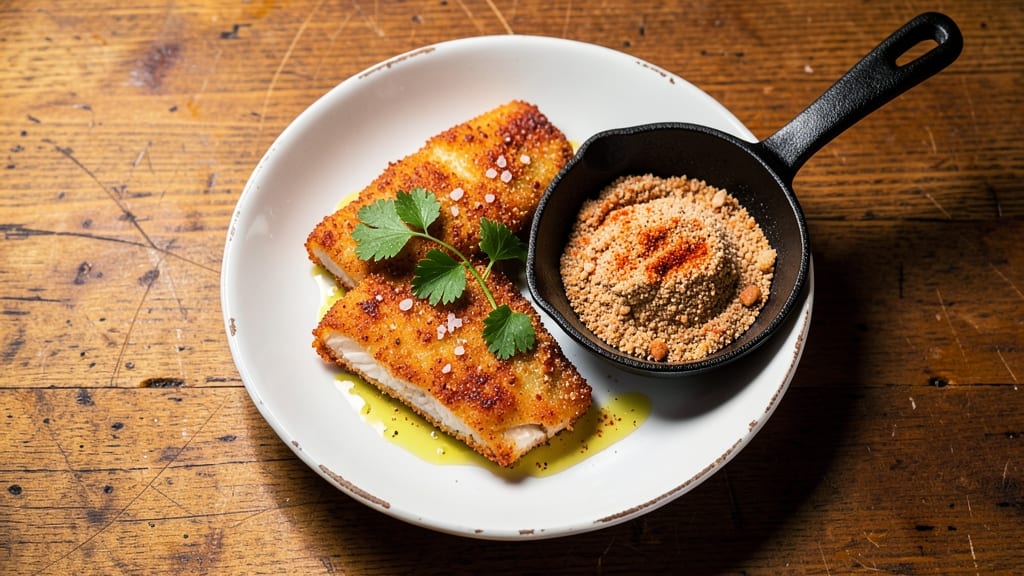
Mastering crispy fried bass with flaky, buttery fillets transforms a simple seafood dinner into a restaurant-worthy experience. The secret lies in precise oil temperature and a well-balanced breading technique that ensures every bite delivers both texture and flavor.
After years of perfecting this method, I've found the right balance between a golden crust and tender fish inside—no more dry, overcooked fillets.
This recipe uses a classic Southern-style breading of flour, cornmeal, and spices, followed by a light dip in buttermilk for extra tenderness. The key is maintaining the oil at 350°F—too hot, and the crust burns before the fish cooks; too cool, and you end up with greasy, soggy fillets.
With just 10 minutes of frying time, you'll achieve that perfect contrast of crispy exterior and moist interior that keeps everyone asking for seconds.
What makes this recipe stand out is its versatility—serve it with classic lemon wedges and tartar sauce for a traditional presentation, or elevate it with a modern twist of microgreens and spicy aioli.
The buttery richness of the fillets pairs beautifully with crisp green salads or roasted vegetables, making it a complete meal in itself. Whether you're cooking for a special occasion or a casual weeknight, this fried bass will impress.
For those who prefer a lighter touch, you can substitute half the flour with almond flour or use gluten-free breadcrumbs. The technique remains the same, ensuring that every variation delivers the same flaky, golden results. Let's get started on creating your perfect fried bass dinner.
Ingredients for fried bass
Just 13 ingredients transform simple bass fillets into golden, crispy perfection.
| Ingredient | Amount | Notes |
|---|---|---|
| Fresh Bass Fillets 🐟 | 1 ½ lb | Skin-on, cut into 6 pieces |
| All-Purpose Flour 🌾 | ¾ cup | For dredging, sifted |
| Fine Yellow Cornmeal 🌽 | ½ cup | Lightly toasted for nuttiness |
| Buttermilk 🥛 | ½ cup | Full-fat for best flavor |
| Large Eggs 🥚 | 2 whole | Room temperature, beaten |
| Salt 🧂 | 1 ½ tsp | Kosher or sea salt |
| Ground Black Pepper 🌶️ | ½ tsp | Freshly cracked |
| Paprika 🌶️ | 1 tsp | Smoked for depth |
| Garlic Powder 🧄 | ½ tsp | Freshly ground preferred |
| Vegetable Oil 🫒 | 3 cups | High smoke point, like peanut |
| Lemon Wedges 🍋 | 4 whole | For serving |
| Tartar Sauce 🥣 | ½ cup | Store-bought or homemade |
| Unsalted Butter 🧈 | 2 tbsp | Melted for dipping |
The bass fillets are everything here—freshness is non-negotiable. Look for fillets with a bright, translucent sheen and firm flesh at Whole Foods or your local fishmonger. If you're using frozen, thaw them overnight in the fridge—never at room temperature. The skin-on pieces are key for that classic Southern crunch, so don't peel them unless you're feeling adventurous. For the cornmeal, Bob's Red Mill is my go-to, but any fine yellow cornmeal works. Toast it lightly in a dry pan for 2 minutes before mixing with spices—trust me, it makes a difference.
No buttermilk? Mix 1/2 cup milk with 1 tsp vinegar or lemon juice and let it sit for 5 minutes. Running short on eggs? Use aquafaba (chickpea brine) at 3 tbsp per egg—it works surprisingly well. For a gluten-free twist, swap half the flour for almond flour or gluten-free breadcrumbs. The oil needs to be hot—350°F is your target. Use a deep fry thermometer; guesswork leads to greasy fish. If you don't have one, drop a cube of bread in—it should sizzle and turn golden in 30 seconds.
Keep the fried fillets warm in a 200°F oven on a wire rack while you finish frying the batch. They'll stay crispy for 15-20 minutes that way. The tartar sauce and melted butter keep for 5 days in the fridge, but the fried fillets? Best eaten fresh. Serve with lemon wedges right away—they brighten up the richness. Leftovers? Store in an airtight container for 1 day max—the crust gets soggy after that.
Why You'll Love This Recipe
- Crispy in Minutes: I swear, the buttermilk marinade does all the work—just dip, let it sit for 10 minutes, and the fillets come out golden and light. No frying expertise needed.
- Double-Crust Magic: That cornmeal crust? It’s the secret weapon—crunchy outside, flaky inside, and the flour keeps it from falling apart. (Yes, even if you’re not a pro.)
- Tailgate to Dinner Party: Serve it with lemon wedges for a casual lunch or swap the cornmeal for panko for a fancier touch. My in-laws think it’s restaurant-quality, but it’s really just a Friday night staple.
- Leftovers That Don’t Suck: Fry up extra fillets, store them in the fridge, and reheat in the oven—still crispy, still delicious. Honestly, I make double batches just to avoid takeout.
Step-by-step instructions for fried bass recipe
Here's how to get that perfect golden crust and tender fillets every time.
Prepare the Battering Station
Start by setting up three shallow bowls. In the first bowl, whisk together the 0.75 cup all-purpose flour, 1.5 tsp salt, 0.5 tsp ground black pepper, 1 tsp paprika, and 0.5 tsp garlic powder. This dry mix is your crust foundation—don't skip the sifting if you have it, as it prevents lumps in the batter.
In the second bowl, crack the 2 whole large eggs and whisk them until fully combined. The eggs will help bind the crust to the fish. In the third bowl, pour the 0.5 cup buttermilk—this adds moisture and tenderness to the final crust. I like to toast the 0.5 cup fine yellow cornmeal lightly in a dry pan first for about 1 minute until fragrant, then let it cool before adding to the flour mixture. This adds a subtle nuttiness that pairs perfectly with the fish.
Create the Double-Dredge Crust
Pat the 1.5 lb fresh bass fillets completely dry with paper towels—this is critical for maximum crispiness. Working with one fillet at a time, dip it into the buttermilk first, letting any excess drip off. Then dip into the egg mixture, coating evenly on all sides. Finally, press the fillet into the flour mixture, making sure every surface gets an even layer.
For the double-dredge, repeat the process: dip back into buttermilk, then egg, then flour again. This extra step creates that signature double-layered crust that stays crispy even after frying. Place the coated fillets on a wire rack set over a baking sheet—this prevents them from sitting in their own juices and steaming, which would make the crust soggy.
Heat the Oil and Fry to Golden Perfection
Fill a deep skillet or Dutch oven with 3 cups vegetable oil and heat over medium-high heat until it reaches 350°F. I use a deep-fry thermometer to monitor this—oil that's too hot will burn the crust before the fish cooks through. When the oil is ready, carefully add the fillets in a single layer, leaving space between them so they don't stick together.
Fry for 3-4 minutes per side until the crust is deep golden brown and the fish flakes easily with a fork. The key is patience here—don't rush it. If the crust starts to brown too quickly, reduce the heat slightly. Once done, transfer the fillets to a paper towel-lined plate to drain excess oil. The crust should stay crispy while the inside remains tender and flaky.
Serve Immediately With Classic Sides
While the fish is still hot, melt the 2 tbsp unsalted butter in a small saucepan over low heat. Keep it warm for dipping. Arrange the fried fillets on a platter and serve with the 4 whole lemon wedges on the side—squeezing fresh lemon over the hot fish brightens all the flavors.
For serving, I like to offer the 0.5 cup tartar sauce on the side along with the melted butter. The tartar sauce cuts through the richness of the fried fish beautifully, while the butter adds a luxurious touch. Serve immediately with a simple green salad or steamed vegetables—this lets the star of the dish, your perfectly fried bass, truly shine.
Pro Tips For Making Fried Bass
- PAT THE FILLETS DRY: I learned this the hard way—wet skin = soggy crust. Grab paper towels and press hard on both sides of the fillets before dredging. Even if they look dry, do it again. That extra 30 seconds keeps your cornmeal crust from turning into a sad, greasy mess.
- USE COLD BUTTERMILK: Straight from my grandma’s notes: chilled buttermilk makes a tighter batter. Pour it over the flour mix just before dipping, and keep the bowl in the fridge for 10 minutes. The fillets won’t soak up excess liquid, so your crust stays crisp instead of gummy.
- FRIED IN BATCHES: Crowding the pan drops the oil temp faster than a summer storm. Fry 2 fillets at a time—no more, no less—and resist the urge to flip early. Three minutes per side, golden brown, not brown-black. Your future self will thank you.
- TOSS CORNMEAL FIRST: Sounds weird, but it works: mix the cornmeal with 1 tablespoon of flour before dredging. The cornmeal clings better, giving you that perfect crunchy texture without needing extra oil. Skip the double-dredging headache.
Wine and beer pairings for this dish
Crisp White Wine
Fried bass pairs beautifully with a dry, crisp white wine that cuts through the richness. I reach for a Sauvignon Blanc from New Zealand—its bright acidity and citrus notes complement the buttery crust and lemony finish.
The Cloudy Bay Sauvignon Blanc is my go-to, but any well-chilled Sauvignon Blanc with 12-14% ABV works perfectly. Serve it slightly cooler than room temperature to enhance its refreshing qualities. 🍷
Light-Bodied Reds
For those who prefer red wine, a light-bodied Pinot Noir from Oregon or California is ideal. The delicate fruit flavors and subtle earthiness won’t overpower the fish. Look for a Willamette Valley Pinot Noir with notes of cherry and spice—it balances the fried crust without competing.
Keep it chilled slightly to highlight its freshness. 🍇
Craft Beer Pairings
A wheat beer or Belgian witbier is my top beer recommendation for fried bass. The Allagash White from Maine offers a perfect mix of citrus, coriander, and a touch of spice that refreshes the palate.
For a lighter option, try a German Helles Lager—its subtle malt sweetness pairs wonderfully with the buttery fish. Avoid heavy IPAs, as their bitterness can clash with the dish. 🍺
Cocktail Complements
For a fun twist, serve a gin-based cocktail like a Tom Collins with its lemon and soda water. The gin’s botanical notes enhance the fish’s crisp crust, while the tartness of the lemon ties everything together.
Another great option is a vodka-based Moscow Mule with ginger beer—its spicy kick cuts through the richness. Both drinks elevate the meal without overpowering it. 🍹
Avoid These Mistakes
Never pair fried bass with heavy, oaky Chardonnays or bold Cabernet Sauvignons—their intensity will overwhelm the delicate fish flavors. Also, avoid sweet dessert wines like Port or Moscato, as their sugar content clashes with the dish’s savory richness.
Stick to dry, crisp, or lightly effervescent options for the best experience. 🚫
Nutrition facts
Frequently asked questions
What's the secret to keeping fried bass crispy?
Double-dredging with buttermilk and egg creates a sturdy crust, but the real trick is frying at 350°F for exactly 3-4 minutes per side. Keep fillets on a wire rack over a baking sheet during prep to prevent steaming, and serve immediately—the crust loses crispness after 15 minutes.
Can I use frozen bass for this recipe?
Yes, but thaw it properly! Place frozen fillets in a sealed bag and refrigerate overnight. Never thaw at room temperature—this causes uneven cooking. Pat completely dry before breading, as excess moisture ruins the crust. For best results, use fresh bass whenever possible.
What oil should I use for frying?
Peanut or vegetable oil works best—they have high smoke points and neutral flavors. Avoid olive oil (too low smoke point) or butter (burns easily). Use 3 cups for this recipe, and maintain 350°F oil temperature. A deep-fry thermometer is worth the investment for perfect results.
How do I make this gluten-free?
Replace half the flour with almond flour or gluten-free breadcrumbs. For the double-dredge, use a gluten-free flour blend in the first coat. The cornmeal can stay as-is—it's naturally gluten-free. Just ensure all spices are certified gluten-free too. The texture will be slightly different but still delicious!
Why did my fried bass turn out greasy?
Greasy fish usually means one of two things: oil was too cool (below 350°F) or fillets weren't dry enough before breading. Always pat fillets completely dry with paper towels, and use a thermometer to monitor oil temperature. If the oil smells burnt, it's time for a change.