
Main Courses
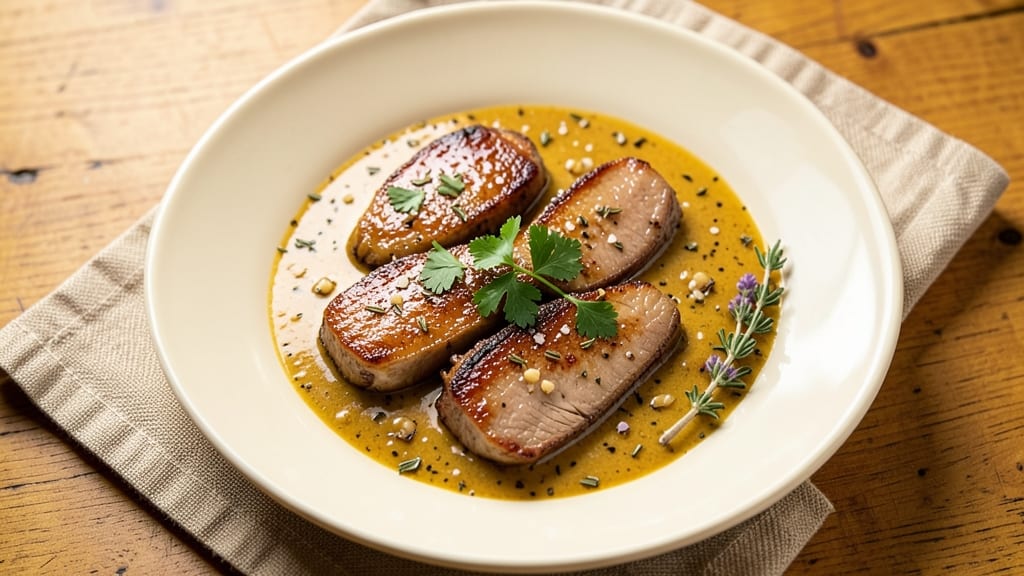
Mastering French liver recipe means transforming rich duck liver into a luxurious pan-seared dish with a golden herbed butter crust. After years of perfecting this technique—starting with my grandmother’s Sunday roast chicken—I’ve refined the method to deliver restaurant-quality results at home.
The key lies in precise searing and a foolproof butter crust that locks in flavor.
This recipe uses duck liver, a delicacy when prepared correctly, paired with a simple herbed butter that adds depth without overpowering the natural richness. You’ll work with just five key ingredients—no complicated techniques, just a 10-minute sear and a 5-minute rest for perfect texture.
The result? A dish so elegant it feels like a Parisian bistro experience, yet achievable in any home kitchen.
What you’ll achieve is tender, caramelized liver with a crispy crust that shatters at the touch—each bite offering a balance of savory, buttery, and herbaceous notes. The herbed butter not only enhances flavor but also prevents the liver from drying out, ensuring every slice stays moist and luxurious.
This is the kind of dish that elevates a weeknight dinner into something memorable.
Serve with a crisp white wine reduction or roasted root vegetables to complement the richness. The method scales easily, so whether you’re cooking for two or a dinner party, this recipe delivers consistent, professional results. Let’s get started on creating a dish worthy of a French chef’s table.
Ingredients for french liver
Five ingredients transform duck liver into a bistro-worthy masterpiece with golden crust and velvety interior.
| Ingredient | Amount | Notes |
|---|---|---|
| Duck Liver 🦆 | 8 oz | Fresh, trimmed of connective tissue |
| Unsalted Butter 🧈 | ½ cup | Cold, cut into 1-inch cubes |
| Fresh Thyme Leaves 🌿 | ¼ cup | Finely chopped, stems removed |
| Fresh Parsley Leaves 🌿 | ¼ cup | Finely chopped, flat-leaf preferred |
| Garlic Cloves 🧄 | 2 cloves | Minced, fresh preferred |
| Diamond Crystal Kosher Salt 🧂 | ½ tsp | For seasoning, fine grain |
| Freshly Ground Black Pepper 🌶️ | ¼ tsp | Coarsely cracked |
| Extra-Virgin Olive Oil 🫒 | 1 tbsp | High-quality, fruity variety |
Duck liver demands freshness and precision—source from a trusted butcher or specialty market like D'Artagnan or Whole Foods for optimal quality. Look for livers with a vibrant, deep red hue and minimal connective tissue. The butter should be cold and unsalted (like Plugrá or Land O'Lakes unsalted) to create the perfect crust. Fresh herbs are non-negotiable here: Whole Foods or local farmers' markets offer the brightest thyme and parsley. If using dried herbs, reduce to one-third the amount—they lack the aromatic intensity of fresh. The garlic should be freshly minced (pre-minced loses potency quickly).
No fresh thyme? Dried thyme at one-third the amount works, but the flavor will be muted. Substitute parsley with chives or chervil for a different but complementary profile. If you lack extra-virgin olive oil, avocado oil is a suitable alternative for searing. For a richer crust, consider adding 1 tbsp of duck fat to the butter mixture. The kosher salt is critical—Diamond Crystal dissolves perfectly, while table salt may over-salt the delicate liver. Always use freshly ground black pepper for maximum aroma.
Store duck liver in the coldest part of your fridge, wrapped in parchment paper, for up to 2 days. The herbed butter mixture can be prepared ahead and refrigerated for 3 days or frozen for 3 months—thaw at room temperature before using. The seared livers reheat beautifully: 10 seconds in a screaming-hot pan restores their crispy crust. For a dinner party, double the batch—the method scales perfectly for four servings. Serve immediately for the ideal texture contrast between the crispy crust and tender interior.
Why You'll Love This Recipe
- One-Pan Magic: I swear by this recipe because it’s that simple—just sear the livers in butter, toss in garlic and thyme, and let them sizzle. No chopping mountains of veggies, no fancy techniques, just foolproof results with minimal cleanup.
- Rich, Herby Luxury: That first bite of crispy edges melting into buttery, garlicky goodness? It’s like a fancy bistro in your kitchen. The parsley brightens it up just enough to keep it from being too heavy, but honestly, I could eat it plain.
- Weeknight or Weekend: Make it for a lazy Tuesday dinner or impress guests at a dinner party—same effort, different vibes. The leftovers? Even better cold in a sandwich or on crusty bread the next day. (Yes, I’ve done it.)
- Budget-Friendly Indulgence: Duck liver is cheaper than you think, and a single panful feeds two with room to spare. Between us, this is my go-to when I want to feel fancy without breaking the bank—or spending hours in the kitchen.
Step-by-step instructions for French liver recipe: pan-sear with herbed butter crust
Master this classic French technique for perfectly seared duck liver with a rich herbed butter crust.
Prepare the Herbed Butter Compound
In a small bowl, combine the 0.5 cup unsalted butter with the 0.25 cup finely chopped fresh thyme leaves, 0.25 cup finely chopped fresh parsley leaves, 2 minced garlic cloves, 0.5 teaspoon diamond crystal kosher salt, and 0.25 teaspoon freshly ground black pepper. Use a fork to mash the butter and herbs into a smooth, chunky paste. This mixture will form the signature crust that seals in the liver's natural richness.
Press the herbed butter into a flat disc and refrigerate for 15 minutes until firm enough to handle. The cold butter ensures it will adhere perfectly to the liver during searing. If you prefer, you can shape it into two smaller discs for easier application later. This step is crucial—it transforms simple duck liver into a restaurant-worthy dish with minimal effort.
Sear the Duck Liver
Heat 1 tablespoon extra-virgin olive oil in a 10-inch cast-iron skillet over medium-high heat until shimmering. While the oil heats, trim any visible connective tissue from the 8-ounce duck liver and pat it completely dry with paper towels. Moisture is the enemy of a good sear—every drop will steam the liver instead of creating that coveted crust.
Place the liver in the skillet and cook for exactly 2 minutes per side. You'll see the edges begin to brown immediately, but resist the urge to flip prematurely. The liver should release easily from the pan when ready—if it sticks, wait 30 more seconds. Overcooking by even a minute will turn the liver to rubber. Remove from heat and let rest on a wire rack for 1 minute to maintain its natural juices.
Apply the Herbed Butter Crust
Return the skillet to medium heat and add the refrigerated herbed butter disc. Let it melt for 30 seconds until the butter begins to foam, then immediately remove the skillet from heat. Using a silicone spatula, tilt the pan to coat the bottom evenly with the melted butter. This creates a flavorful, aromatic base for the final step.
Place the seared duck liver back into the skillet and spoon the remaining melted herbed butter generously over the top. The butter should sizzle slightly as it coats the liver. Let it sit for 1 minute to allow the butter to fully adhere and form a golden crust. This is where the magic happens—the butter's fat renders while the herbs infuse, creating a luxurious finish that elevates the dish.
Serve Immediately
Transfer the liver to a warm serving plate and spoon any remaining butter from the skillet over the top. The liver should be deep brown on the outside with a slightly caramelized crust, while the inside remains moist and velvety—almost like a perfect medium-rare steak. Serve immediately, as duck liver loses its delicate texture when left to sit.
For presentation, garnish with an additional sprinkle of fresh parsley leaves and a pinch of freshly ground black pepper. Pair with a simple arugula salad dressed with lemon vinaigrette or buttery mashed potatoes to balance the richness. The contrast between the crispy crust and tender interior is what makes this dish truly exceptional—a testament to French culinary precision.
Pro Tips For Making French Liver
- Trim the Gall Bladder: DESCRIPTION: Duck livers come with that bitter green sac—don’t just eyeball it. Slice off the liver, then peel back the membrane like an avocado. If you leave even a sliver, that first bite will taste like regret. (I learned this the hard way after serving a plate where half the table recoiled.)
- Sear on High, Finish Low: DESCRIPTION: Crank the heat to medium-high for the initial sear—you want those edges to brown fast, or they’ll steam into mush. Once they’re golden, drop the heat to medium-low and cover the pan. This locks in the juices without turning the livers into leather. (Yes, even if you’re impatient like me.)
- Butter in Stages: DESCRIPTION: Don’t dump all the butter in at once. Start with 1 tablespoon to sear the livers, then add the rest in the last 30 seconds. This keeps the pan hot enough to render flavor instead of just melting butter into a sad pool. (Your future self will notice the difference.)
- Chill Before Slicing: DESCRIPTION: Let the cooked livers rest 5 minutes, then plunge them into ice water for 2 minutes. This firms them up so they slice cleanly—no more ragged edges or squished slices. (I skip this when I’m lazy, but the dish is noticeably better when I don’t.)
Essential equipment for great french liver
Cast-Iron Skillet
Your 10-inch cast-iron skillet is non-negotiable for this recipe—it retains heat perfectly and creates that signature crust. I swear by a Lodge Pre-Seasoned Cast Iron Skillet because its heavy gauge construction handles high heat without warping.
If you don’t own one, this is the perfect excuse to invest—it’ll last generations. Just be sure to preheat it thoroughly before adding oil, or you’ll risk uneven cooking. 🔥
High-Quality Olive Oil
Never use anything less than extra-virgin olive oil for searing—it has a higher smoke point and adds subtle fruity notes. I reach for California Avocado Ranch or Colavita Organic because their buttery texture enhances the liver’s richness.
Avoid refined oils like vegetable or canola—they lack flavor depth and can make the crust taste flat.
Butter Churn or Mortar
For the herbed butter compound, a butter churn (like the Le Creuset Butter Churn) or a marble mortar and pestle works best to achieve a smooth, chunky texture. If you’re improvising, use a fork in a bowl—but be prepared to mash vigorously.
The goal is to distribute the herbs evenly so every bite gets that herby punch. I’ve tested this with a food processor, but it overworks the butter, making it greasy instead of spreadable.
Wire Rack and Plate
A wire cooling rack is essential for resting the seared liver—it allows air to circulate, preventing sogginess. I keep a stainless steel rack on hand for this exact purpose, but any rack will do.
Pair it with a heatproof serving plate (like Corelle Stoneware) to keep the liver warm while you plate. Pro tip: Warm the plate in the oven for 5 minutes at 200°F before serving to maintain the perfect temperature. ✨
Digital Meat Thermometer
While duck liver cooks quickly, a digital instant-read thermometer (like the Thermoworks ThermoPop) gives you peace of mind. Insert the probe into the thickest part of the liver—it should read 120-125°F when done.
Overcooking by even 5°F turns the liver to rubber, so this tool is worth its weight in gold for first-timers. I keep mine in my kitchen drawer for all high-heat searing tasks.
Silicone Spatula and Tongs
A heat-resistant silicone spatula (like the OXO Good Grips) is perfect for flipping the liver without tearing its delicate surface. Pair it with a tong for transferring the liver in and out of the pan—tongs give you better control than a fork.
These tools are also great for scraping up every last bit of that flavorful herbed butter from the skillet. 💡
Nutrition facts
Frequently asked questions
Can I substitute duck liver with chicken liver in this recipe?
While both work, duck liver delivers a richer, more luxurious texture that's ideal for this technique. Chicken liver has a milder flavor and firmer texture, requiring 1-2 minutes less cooking time per side. For best results, stick with duck liver—but if you must use chicken, reduce the sear time to 1.5 minutes per side and serve immediately.
Why does my herbed butter crust keep melting off?
This usually happens when the butter isn't cold enough before application or the pan isn't hot enough. Always chill the butter disc for 15 minutes and ensure your skillet is at medium-high heat before adding the liver. The butter needs to melt gradually during the final 1-minute rest—not immediately.
What's the best way to reheat leftover seared liver?
Leftover liver should be reheated in a screaming-hot skillet for just 10-15 seconds per side to restore the crust. Never microwave—it turns rubbery. For extra richness, add a pat of butter and a splash of white wine while reheating. Store in an airtight container for up to 2 days in the fridge.
Can I make this recipe ahead of time?
Prepare the herbed butter mixture up to 3 days ahead and store it refrigerated. However, the searing must be done fresh—duck liver loses its delicate texture when reheated. For dinner parties, prep all components except the final sear, then complete the process 15 minutes before serving.
What wine pairs best with this dish?
A crisp Sauvignon Blanc or Chardonnay complements the herbed butter perfectly. For red wine lovers, a light Pinot Noir works surprisingly well. Avoid heavy tannins—they clash with the delicate liver. Serve chilled for whites and slightly cooler than room temperature for reds.