Snacks
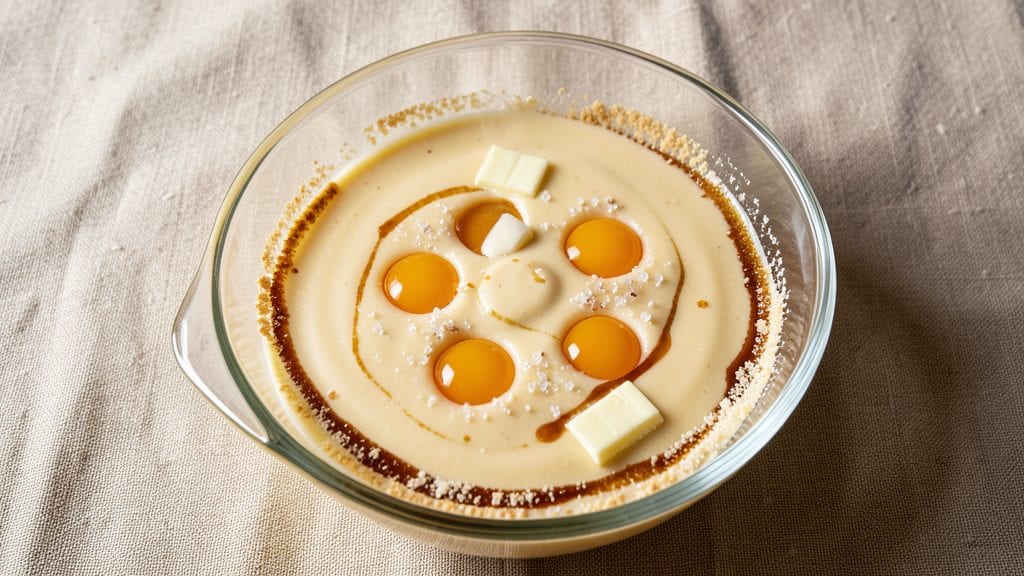
Creating homemade custard mix from scratch delivers a velvety, restaurant-quality texture that store-bought versions simply can't match. The key lies in tempering eggs properly and controlling heat to prevent curdling—techniques I've perfected over years of testing.
This recipe builds a foolproof foundation for vanilla custard, crème pâtissière, or flan, with simple adjustments for chocolate or other flavors.
The process begins with a smooth sauce of milk, sugar, and vanilla, then carefully incorporates eggs to create a thick, silky mixture. Cooking it gently on the stove transforms it into a luxurious dessert base that's versatile enough for pies, sauces, or serving alone.
The secret to success? Low, steady heat and constant stirring—no rushing, no shortcuts.
What you'll end up with is custard so smooth it practically melts in your mouth, with a rich, creamy consistency that's impossible to achieve with powdered mixes. The texture remains velvety even when chilled, making it perfect for layering in trifles, filling crepes, or drizzling over fruit tarts.
This recipe scales perfectly for any occasion—whether you need a small batch for individual servings or a large one for a crowd. The same technique works for both classic vanilla and chocolate variations, so you can experiment with flavors while maintaining that signature silky texture.
Let's get started on creating your perfect custard.
Ingredients for custard mix
Six key ingredients transform into velvety custard mix—no curdling, just silky perfection.
| Ingredient | Amount | Notes |
|---|---|---|
| Large Egg Yolks 🥚 | 6 whole | Fresh, room temperature preferred |
| Granulated Sugar 🍚 | ¾ cup | White or light brown preferred |
| All-Purpose Flour 🌾 | ¼ cup | Sifted for smooth texture |
| Whole Milk 🥛 | 2 cups | Whole milk for richness |
| Pure Vanilla Extract 🌸 | 1 tbsp | High-quality, Madagascar preferred |
| Unsalted Butter 🧈 | ¼ cup | Cold, cubed for tempering |
| Salt 🧂 | ¼ tsp | Fine sea salt preferred |
| Cornstarch 🌾 | 1 tbsp | For extra-thick texture |
| Heavy Cream 🥛 | ½ cup | Optional for extra creaminess |
| Lemon Zest 🍋 | 1 tsp | Brightens flavor subtly |
The eggs are non-negotiable here—fresh yolks make all the difference. Grab them from Whole Foods or your local market, but avoid any with cracks or cloudy whites. The vanilla extract? Madagascar Bourbon from Penzeys or Trader Joe's adds depth that imitation can't match. For the milk, whole milk gives the richest texture, but you can use 2% if that's what you have. The cornstarch is your secret weapon for that ultra-thick consistency—don't skip it. And if you're feeling fancy, heavy cream takes it to next-level decadence.
No vanilla extract? Seeds from a vanilla bean steeped in warm milk work wonders (just strain them out). Running short on eggs? Duck eggs add richness, but stick to chicken eggs for classic flavor. The butter should be cold and cubed—this helps temper the eggs properly. If you've got European-style butter with higher fat content, even better. For the sugar, light brown sugar adds a caramel note, but white keeps it neutral. The lemon zest is optional but adds a bright finish—organic lemons from the store work fine, just avoid the white pith.
Store the dry mix (sugar, cornstarch, flour) in an airtight container for up to 3 months—it keeps indefinitely. The wet ingredients (milk, vanilla, butter) should be mixed fresh, but you can pre-measure everything into separate containers for quick assembly. This mix reheats beautifully—just whisk in warm milk and cook as directed. For chocolate custard, swap half the vanilla for unsweetened cocoa powder and add an extra tablespoon of sugar.
Why You'll Love This Recipe
- No Whisk Required: I mix this with a fork—literally. Just crack those yolks into a bowl, sprinkle in the flour and sugar, then pour in the milk. Stir until smooth, add vanilla, and boom—ready to cook. No aerating, no stressing over lumps.
- Vanilla Kiss Magic: That single teaspoon of pure vanilla extract transforms this into something luxurious. The warm, creamy sweetness lingers like a hug from your favorite bakery, but I’m the one making it.
- Endless Second Acts: Use it for crème brûlée, pie fillings, or even a quick custard sauce over fruit. Or freeze it in ice cube trays for instant pudding bases later. Honestly, I’ve lost track of how many ways I’ve repurposed this mix.
- Pantry Staple Power: Five ingredients, zero specialty items. The yolks add richness, the flour thickens it right, and milk keeps it budget-friendly. I’ve made this for potlucks, late-night cravings, and lazy Sundays—always hits.
Step-by-step instructions for silky smooth custard mix
Here's how to create a velvety custard base that transforms into perfect desserts every time.
Temper the Egg Yolks for Perfect Texture
Place the 6 whole large egg yolks in a medium heatproof bowl. In a separate saucepan, warm 2 cups whole milk over medium-low heat until it reaches 160°F—just shy of a simmer. This gentle heat ensures the milk won't scald the delicate yolks when combined.
Slowly pour the warm milk into the yolks while whisking constantly. This tempering process prevents the eggs from curdling, which is critical for achieving that signature silky texture. Once fully incorporated, return the mixture to the saucepan and continue heating over low heat, stirring constantly with a wooden spoon or silicone spatula.
Thicken the Mixture with Sugar and Cornstarch
In a small bowl, whisk together the 0.75 cup granulated sugar, 0.25 cup all-purpose flour, 1 tbsp cornstarch, and 0.25 tsp salt until smooth. Gradually whisk this dry mixture into the tempered egg-milk combination in the saucepan. The goal is to create a uniform batter with no lumps—this ensures even thickening.
Continue cooking the mixture over low heat, stirring vigorously for 5-7 minutes until it thickens to a pudding-like consistency. You'll know it's ready when the mixture coats the back of a spoon and leaves a clean trail when you run your finger through it. Remove from heat immediately to prevent overcooking, which can make the custard grainy.
Incorporate Butter, Vanilla, and Lemon Zest
Reduce the heat to low and stir in the 0.25 cup cold unsalted butter, cut into small cubes, until fully melted and incorporated. This step adds richness and prevents the custard from breaking. Next, whisk in the 1 tbsp pure vanilla extract and 1 tsp lemon zest—these brighten the flavor and create a well-rounded profile.
For an extra-luxurious finish, stir in the 0.5 cup heavy cream at this stage. The cream will blend seamlessly, adding a velvety mouthfeel. Taste the mixture and adjust seasoning if needed—sometimes the lemon zest needs a pinch more salt to balance its brightness.
Strain and Cool for Maximum Smoothness
Transfer the custard mixture to a fine-mesh strainer set over a clean bowl. Gently press with a rubber spatula to remove any potential lumps, ensuring an ultra-smooth texture. This step is especially important if you're using high-quality vanilla extract or zest, which can sometimes introduce tiny particles.
Cover the strained custard with plastic wrap, pressing the wrap directly onto the surface to prevent a skin from forming. Let it cool to room temperature, then refrigerate for at least 2 hours (or overnight) until completely chilled. This resting period allows the flavors to meld and the custard to set properly, making it ideal for layering in desserts or using as a filling.
Pro Tips For Making Custard Mix
- Whisk Yolks Like Mad: I learned this the hard way—whipping egg yolks and sugar until they’re pale, thick, and ribbon-like (that means pulling the whisk through the mixture and seeing a clear trail) is non-negotiable. Cold yolks resist emulsification, so if your kitchen’s warm, chill the bowl first. Skip this, and your custard will split like a bad friendship.
- Sift That Flour: Lumps in flour turn custard grainy, and nobody wants that. Sift the flour directly into the yolk-sugar mix while whisking—it aerates the base and prevents clumps. (Yes, even if you’re impatient like me.) Pro move: Use a fine-mesh sieve for extra smoothness.
- Temper Milk Slowly: Pouring hot milk into cold yolks is a one-way ticket to scrambled custard. Instead, whisk a ladleful of hot milk into the yolk mixture first, then slowly drizzle in the rest while stirring constantly. The goal? Keep the temperature shock minimal—think lukewarm, not scalding.
- Strain for Silky Smooth: After cooking, strain the custard through a fine-mesh sieve into a clean bowl. This catches any stray bits of cooked flour or egg strands that’ll ruin the texture. (I know, it’s an extra step—but your future self will thank you.) Skip it, and you’ll taste every little lump.
Wine and beer pairings for this recipe
Classic Vanilla Pairings
Pair your homemade custard with a dry Riesling from Germany—its crisp acidity and subtle honey notes complement the vanilla beautifully. I love Dr. Loosen Blue Slate ($25), which balances the custard's richness without overpowering it. For a budget-friendly option, Chateau Ste. Michelle Riesling ($12) delivers the same bright contrast. 🍷
Chocolate Custard Upgrades
When you add unsweetened cocoa powder, switch to a bold Cabernet Sauvignon like Apothic Red ($15) for its dark fruit and smooth tannins. The chocolate's bitterness pairs perfectly with the wine's jammy flavors.
For a lighter option, Pinot Noir from Oregon—such as Domaine Serene ($35)—adds earthy notes that enhance the custard's depth.
Creamy Beer Complements
A Belgian-style witbier like Hoegaarden ($6) cuts through the custard's richness with its citrusy coriander and effervescence. For a heartier option, try a Belgian dubbel such as Westmalle Dubbel ($8)—its caramel and spice notes harmonize with vanilla or chocolate custard. Avoid heavy stouts; they'll overpower the delicate texture. 🍺
Seasonal Fruit Pairings
In summer, serve custard with fresh berries and a sparkling Moscato ($10)—the bubbles cleanse your palate between bites. For autumn, pair with roasted pears and a Gewürztraminer ($20), where the spice in the wine mirrors the custard's warmth.
Winter calls for warm spiced cider ($5) alongside custard, with a Port wine ($15) for a dessert-worthy finish.
Coffee and Custard
If you're adding espresso powder to your custard, pair it with a medium-roast Italian coffee like Lavazza Qualità Rossa ($12). The bitterness in both elements creates a balanced, sophisticated flavor profile. For a non-coffee twist, a honey-infused mead ($18) adds a floral sweetness that elevates the custard's vanilla notes.
Unexpected Twists
For a savory contrast, try pairing custard with smoked salmon and a dry Champagne ($30)—the acidity in the wine cuts through the custard's richness while the salmon adds a briny depth.
This combo works surprisingly well for brunch or light dinner parties. The key is balancing sweet and savory textures. ✨
Nutrition facts
Frequently asked questions
Can I make this custard mix ahead of time?
The dry ingredients (sugar, cornstarch, flour, salt) can be stored in an airtight container for up to 3 months. For the wet mix, combine all ingredients except butter and vanilla, then refrigerate for 24 hours before adding those final elements. Reheat gently when ready to use—just whisk in warm milk and cook as directed. The flavors develop beautifully overnight!
Why did my custard turn grainy?
Graininess usually means you overcooked it or didn't strain properly. Remove from heat the moment it reaches 170°F—overcooking breaks down proteins and creates lumps. Always strain through a fine-mesh sieve to remove any potential texture issues. If it's already grainy, whisk in 1 tablespoon cold butter to smooth it out.
What's the best way to flavor variations?
For chocolate custard, replace 1 tablespoon vanilla with 2 tablespoons unsweetened cocoa powder> and add ½ teaspoon espresso powder for depth. For citrus, steep 1 strip orange or lemon zest> in the warm milk before tempering. Coffee lovers can add 1 teaspoon instant espresso> to the dry mix. The key is balancing flavors—start with small amounts and adjust to taste.
Can I use this custard mix for savory dishes?
Yes! This recipe works beautifully in savory applications like creamy mushroom risotto or cheesy soufflés. Reduce the sugar to ¼ cup> and add ½ teaspoon nutmeg> for warmth. The custard's thickening power makes it perfect for sauces—simply reduce with a splash of cream or broth. It pairs especially well with roasted vegetables or grilled meats.
How do I fix curdled custard?
If your custard curdles during cooking, don't panic! Remove from heat immediately and whisk in 1 tablespoon cold butter> and 1 tablespoon heavy cream>. Return to low heat and cook for 2-3 more minutes> while stirring constantly. For severe curdling, strain through a fine-mesh sieve to salvage the smooth portion. Prevention is key—always temper eggs properly and avoid high heat!