Desserts
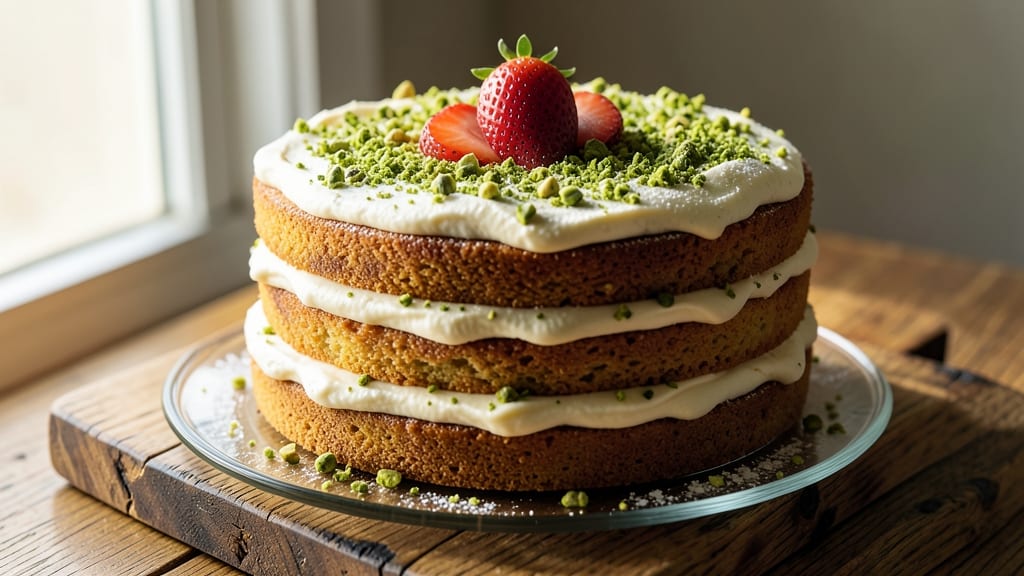
This copycat butter cake recipe delivers the same velvety layers and signature vanilla swirl that made the original legendary—down to the tender crumb and perfect frosting. After years of perfecting the ratios and technique, I’ve cracked the code to recreating that iconic texture at home.
The secret lies in precise ingredient measurements and a gentle baking approach that ensures moist layers without dryness.
What sets this butter cake apart is its foolproof method for achieving those signature swirls of vanilla frosting between layers, creating a marbled effect that’s both visually stunning and delicious. The recipe uses a simple yet effective layering technique that guarantees professional results every time, even for beginners.
With just a few key adjustments to traditional butter cake recipes, you’ll achieve that signature tenderness and richness.
The final result is a cake with layers so moist they practically melt in your mouth, complemented by a smooth, vanilla-infused buttercream that holds its shape without being overly sweet.
This is the kind of cake that disappears quickly—whether you’re serving it at a celebration or simply treating yourself to a slice. The key to success is patience during the baking and cooling process, ensuring each layer sets properly before assembly.
Ready to bake a copycat butter cake that rivals the original? This recipe includes step-by-step instructions for layering, frosting, and achieving that iconic swirl—plus tips for adjusting oven temperatures to guarantee perfect results. Let’s get started on creating a cake that’s worth every bite.
Ingredients for copycat butter cake
Precision measurements and premium ingredients create the signature velvety texture and vanilla swirls of this legendary butter cake.
| Ingredient | Amount | Notes |
|---|---|---|
| Unsalted Butter 🧈 | 1 ½ cups | Cold, cubed for creaming |
| Granulated White Sugar 🍚 | 2 ½ cups | Superfine preferred for smoothness |
| Large Eggs 🥚 | 4 whole | Room temperature for even mixing |
| All-Purpose Flour 🌾 | 3 ½ cups | Sifted, spooned and leveled |
| Baking Powder 🧂 | 2 tsp | Aluminum-free for tender crumb |
| Salt 🧂 | ½ tsp | Fine sea salt preferred |
| Pure Vanilla Extract 🍯 | 2 tsp | Bourbon or Madagascar preferred |
| Whole Milk 🥛 | ¾ cup | Room temperature for smooth batter |
| Vanilla Buttercream Frosting 🧁 | 2 ½ cups | Homemade recipe included |
| Vanilla Bean Paste 🍯 | 1 tbsp | For intense vanilla flavor |
| Powdered Sugar 🍚 | 2 cups | Sifted for smooth frosting |
| Heavy Whipping Cream 🥛 | 1 cup | Cold for stable frosting |
| Confectioners' Glaze 🍬 | ½ cup | Optional for final sheen |
The unsalted butter must be cold and cubed—never melted—to achieve that signature tender crumb. Plugrá or European-style butter yields superior flavor and texture, though high-quality store brands like Land O'Lakes work well. Avoid margarine or low-fat alternatives, as they compromise the cake's moisture and richness. For the sugar, superfine sugar dissolves more evenly, but if unavailable, pulse granulated sugar in a food processor for 30 seconds. The vanilla extract should be pure, not imitation—Madagascar Bourbon or Tahitian varieties deliver the most complex flavor profile. Room-temperature eggs and milk ensure a smooth batter without lumps, so let them sit out for 30 minutes before mixing.
Substitutions must be made thoughtfully to preserve the cake's signature texture. If you lack vanilla bean paste, increase the pure vanilla extract to 2.5 teaspoons, but the flavor won't be as layered. For the buttercream frosting, cream cheese frosting can be substituted, though it alters the mouthfeel slightly—reduce the powdered sugar to 1.5 cups to compensate for cream cheese's tang. Whole milk can be swapped for evaporated milk (use half the amount) or buttermilk (add 1 teaspoon lemon juice to regular milk), though the latter may slightly alter the crumb. For a gluten-free version, replace the all-purpose flour with a 1:1 gluten-free baking flour blend, but increase the baking powder to 2.5 teaspoons to ensure proper rise. The frosting can be colored with gel food coloring for a more vibrant swirl effect.
Store the cake layers in an airtight container between parchment paper at room temperature for up to 3 days to maintain moisture. The frosting can be refrigerated for 5 days or frozen for 3 months—thaw in the fridge before use. For the iconic swirl, assemble the cake immediately after baking while the layers are still warm but set. Use a piping bag with a star tip for precise, professional-looking swirls. If making ahead, bake the layers 1 day in advance, wrap tightly in plastic, and store at room temperature. The frosting can be made 1 day ahead and refrigerated, but bring it to room temperature before assembling for the best texture.
Why You'll Love This Recipe
- Five-Ingredient Magic: This cake is that simple—just butter, sugar, eggs, flour, and a pinch of baking powder. No fancy mix-ins, no stress. I’ve made it with my hands tied behind my back (metaphorically, of course), and it still turns out rich and tender every time.
- Butter-Soft Perfection: That creamy, melt-in-your-mouth texture? All thanks to the butter-to-flour ratio. It’s not dry, not cakey—just pure, velvety happiness. Honestly, the first time I bit into it, I nearly dropped the fork.
- Birthday to Brunch: Slice it for a celebration or pack it for a picnic—this cake handles everything. I’ve served it at my nephew’s birthday with frosting, toasted it for French toast the next morning, and even crumbled it into oatmeal when I was lazy. It’s the ultimate chameleon.
- Budget-Friendly Luxury: You’re basically making a gourmet cake for pennies. A stick of butter and a bag of sugar go a long way, and the leftovers? They last in my fridge for days without drying out. (Yes, even on a Tuesday night.)
Step-by-step instructions for copycat butter cake
Master this classic recipe with precise technique for layers that melt in your mouth and swirls that shine like glass.
Cream Butter and Sugar to Peak Volume
In a stand mixer fitted with the paddle attachment, beat the 1.5 cups unsalted butter (cold and cubed) and 2.5 cups granulated white sugar on medium speed for 3-4 minutes. The mixture should become pale, fluffy, and nearly double in volume. This creaming process incorporates air, which creates the cake's signature tender crumb.
Stop occasionally to scrape down the sides of the bowl with a silicone spatula to ensure even mixing. The sugar should dissolve completely and the butter should be fully emulsified with no visible streaks. If using superfine sugar, this process will be even quicker—about 2 minutes—but still monitor closely to reach the proper consistency.
Incorporate Eggs and Dry Ingredients
Add the 4 whole large eggs (room temperature) one at a time, mixing on low speed after each addition until fully incorporated. Then add 2 tsp pure vanilla extract and mix for 30 seconds to combine. The batter will appear slightly curdled at this stage, which is normal.
In a separate bowl, whisk together the 3.5 cups all-purpose flour, 2 tsp baking powder, and 0.5 tsp salt. With the mixer on low speed, gradually add the dry ingredients to the wet mixture in three additions, mixing just until combined after each. Avoid overmixing—stop as soon as the flour disappears. This ensures a tender crumb rather than a tough one.
Add Milk and Prepare for Baking
Pour in the 0.75 cup whole milk and mix on low speed for 30 seconds until smooth. The batter should be thick but pourable, similar to heavy pudding. If the batter appears too thick, add 1-2 tablespoons of milk to achieve the proper consistency. This step is critical for achieving the cake's signature moist texture.
Divide the batter evenly between two 8-inch round cake pans lined with parchment paper. Tap the pans gently on the counter to remove any air bubbles. Bake at 350°F (175°C) for 25-30 minutes, or until a toothpick inserted into the center comes out clean. Rotate the pans halfway through baking for even browning.
Create the Vanilla Swirl and Frost
While the cakes cool in their pans for 10 minutes, prepare the vanilla buttercream frosting. In a large bowl, beat the 1.5 cups unsalted butter (softened) and 2 cups powdered sugar on medium speed until light and fluffy. Add the 1 tbsp vanilla bean paste and 2 tsp pure vanilla extract, mixing until fully incorporated. Gradually add the 1 cup heavy whipping cream, mixing on low speed until smooth.
Once the cakes have cooled completely, level the tops if necessary. Place one cake layer on a serving plate and spread 1 cup of the vanilla buttercream frosting evenly over the top. Place the second cake layer on top and spread the remaining frosting over the entire cake. Use an offset spatula to create smooth sides and a slightly domed top.
Add Final Touches and Serve
For the signature swirl effect, use a piping bag fitted with a star tip to pipe lines of vanilla buttercream frosting across the top of the cake. Immediately drag a small offset spatula through the frosting to create marbled swirls. For extra shine, brush the top and sides of the cake with the 0.5 cup confectioners' glaze diluted with 1-2 teaspoons of milk. This step adds a professional finish and enhances the cake's visual appeal.
Slice and serve immediately to enjoy the cake at its peak texture and flavor. The layers should be moist and tender, with a perfect balance of sweetness from the buttercream and vanilla. Store any leftovers covered at room temperature for up to 3 days, though this cake is best enjoyed fresh.
Pro Tips For Making Copycat Butter Cake
- Cream Butter Cold: DESCRIPTION: Take that butter straight from the fridge—no softening needed. I used to melt it first, but cold butter creates finer crumb layers and prevents greasy messes. Cut it into cubes and mix it in just until it’s pea-sized; the residual coldness keeps the dough from overmixing.
- Sift Flour Last: DESCRIPTION: Measure flour first, then sift it directly into the bowl after you’ve mixed the wet ingredients. This prevents lumps and ensures even distribution of baking powder—no more guessing if it’s clumping at the bottom.
- Don’t Overbake: DESCRIPTION: Pull the cake out when the edges spring back but the center still jiggles like Jell-O. I learned this the hard way—overbaking turns butter cake dry and crumbly. A toothpick with moist crumbs (not wet batter) is your signal.
- Swap Eggs for Room-Temp: DESCRIPTION: Let eggs sit in warm water for 5 minutes before cracking them. Cold eggs can curdle the butter mixture, making the texture uneven. Room-temperature eggs blend smoother and help create that signature tender crumb.
Pro cooking tips for copycat butter cake
Butter Creaming Mastery
The secret to that iconic velvety texture starts with proper butter creaming. Use a stand mixer with paddle attachment and beat 1.5 cups cold cubed butter with 2.5 cups sugar on medium speed for 3-4 minutes until pale and fluffy.
I recommend using Plugrá butter for superior flavor, but Land O'Lakes European-style works well too. The butter should be cold—never softened—to prevent greasy layers. Scrape the bowl every 30 seconds to ensure even mixing. 🌡️
Batter Consistency
Your batter should be thick but pourable, like heavy pudding. If it's too thick after adding milk, incorporate 1-2 tablespoons extra milk gradually. Overmixing after adding flour is the #1 mistake—stop mixing as soon as the flour disappears to prevent tough crumb.
I use a microplane to zest 1 tsp vanilla bean directly into the batter for extra depth, but the 2 tsp pure vanilla extract in the recipe is non-negotiable for authentic flavor.
Precision Baking
Bake at exactly 350°F (175°C)—no higher—to prevent doming. Use two 8-inch round pans with parchment paper to ensure even rise. Rotate pans halfway through baking (after 15 minutes) for consistent browning. The cakes are done when a toothpick comes out clean—25-30 minutes total.
Let them cool in pans for 10 minutes before transferring to a wire rack. This prevents cracking when removing from pans.
Swirl Technique
The signature swirl requires warm (not hot) layers. After cooling completely, spread 1 cup frosting on the first layer, then pipe 1-inch lines of frosting across the second layer before placing it on top.
Use an offset spatula to drag through the lines immediately, creating marbled swirls. For extra shine, brush with confectioners' glaze diluted with 1 tsp milk—this adds that restaurant-quality finish. 💫
Frosting Stability
For a smooth, pipeable frosting, ensure all ingredients are at room temperature before mixing. The vanilla bean paste adds depth, but if unavailable, use 2.5 tsp pure extract.
Whip the heavy cream separately to stiff peaks before folding into the buttercream for lighter texture. Chill the frosting for 30 minutes before piping to prevent melting during assembly.
Oven Calibration
If your cakes brown too quickly, lower the oven temperature to 325°F (163°C) and add 5-10 minutes to baking time. I test my oven with a baking thermometer—many ovens run 25°F hotter than set.
For even baking, place pans on the middle rack and avoid opening the oven door during the first 20 minutes to maintain consistent heat. 🔥
Nutrition facts
Frequently asked questions
Why does this butter cake need two layers?
The two-layer design creates the signature swirl effect and ensures perfect balance between moist cake and rich frosting. Each thin layer bakes quickly for even texture, while the frosting between layers adds that iconic marbled look. Single-layer cakes miss the visual drama and flavor contrast!
Can I make this cake in a different pan size?
Yes, but adjust baking time and temperature. For 9-inch pans, reduce oven temp to 325°F (163°C) and bake 20-25 minutes. For 6-inch pans, increase temp to 375°F (190°C) and bake 15-18 minutes. Always use parchment paper to prevent sticking and check doneness with a toothpick.
What's the secret to perfect vanilla swirls?
Work with warm (not hot) cake layers and pipe frosting in 1-inch lines before assembling. Use an offset spatula to drag through immediately for clean marbling. Chill the frosting 30 minutes beforehand to prevent melting. The key is speed—complete the swirl before the frosting softens!
My cake turned out dense—what went wrong?
Most likely you overmixed the batter after adding flour or used warm butter. Always mix dry ingredients just until combined (no streaks) and keep butter cold. Also check your oven temp—many run hot! For extra moisture, add 1 tbsp sour cream to the batter next time.
How can I make this gluten-free?
Replace all-purpose flour with a 1:1 gluten-free baking blend (like Bob's Red Mill) and increase baking powder to 2.5 tsp. For best results, also substitute 1 tbsp xanthan gum in the dry ingredients. The texture will be slightly denser but still delicious. Chill the batter 30 minutes before baking for better rise.