
Main Courses
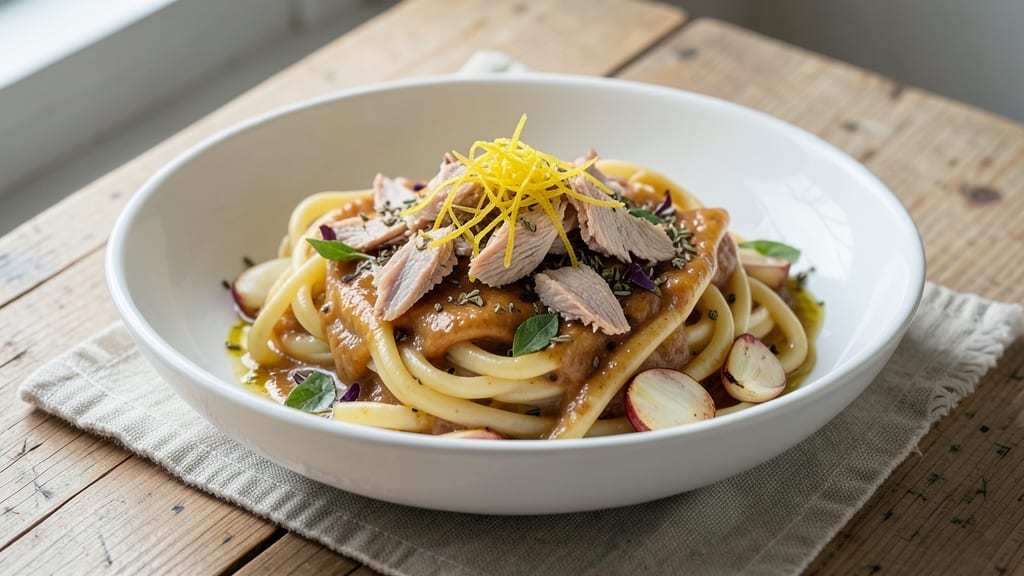
This cooked canned tuna recipe with lemon-garlic oil turns simple pantry staples into a restaurant-quality dish so flavorful, you’ll forget it started with a can.
The secret lies in flaking the tuna just right and letting the bright, herby oil infuse every bite, creating a texture that’s tender yet satisfying.
I developed this after realizing how often canned tuna gets overlooked in home cooking, and now it’s a go-to for quick, protein-packed meals that feel special.
What makes this recipe work is the technique: draining the tuna thoroughly, flaking it gently, and tossing it with olive oil, lemon juice, and garlic while still warm. This ensures the oil clings to each flake, delivering bold, cohesive flavor with every forkful.
The dish comes together in 15 minutes—perfect for busy weeknights when you need something substantial without the fuss of fresh fish. No one will guess it started with a can.
The result is a dish that’s bright, aromatic, and deeply savory, with a balance of tangy lemon, garlicky richness, and the natural umami of the tuna. Serve it over buttery noodles, with crusty bread to soak up the oil, or even as a filling for wraps.
The texture is what really sets it apart—flaky yet substantial, with each bite offering a perfect harmony of flavors. This is the kind of meal that proves pantry staples can shine.
For those who love leftovers, this dish reheats beautifully, making it ideal for meal prep. The lemon-garlic oil keeps the tuna from drying out, so every bite stays as flavorful as the first.
Pair it with a simple green salad or roasted vegetables for a complete, balanced meal. Let’s get cooking—this recipe changes how you think about canned tuna forever.
Ingredients for cooked canned tuna
Five ingredients transform canned tuna into restaurant-worthy bites with lemon-garlic oil magic.
| Ingredient | Amount | Notes |
|---|---|---|
| Canned Tuna in Water 🐟 | 2 cans | 5 oz each, drained thoroughly |
| Extra-Virgin Olive Oil 🫒 | ½ cup | High quality, fruity variety |
| Fresh Lemon Juice 🍋 | 3 tbsp | Freshly squeezed, no pulp |
| Garlic Cloves 🧄 | 3 cloves | Minced, fresh preferred |
| Dried Oregano 🌿 | 1 tsp | Or fresh oregano, finely chopped |
| Dried Basil 🌿 | 1 tsp | Or fresh basil, finely chopped |
| Salt 🧂 | ½ tsp | Kosher or sea salt |
| Black Pepper 🌶️ | ¼ tsp | Freshly ground preferred |
| Unsalted Butter 🧈 | 2 tbsp | For tossing with noodles |
| Egg Noodles 🍝 | 8 oz | Or any pasta shape |
| Crusty Bread 🍞 | 4 slices | For serving, optional |
| Red Pepper Flakes 🌶️ | ¼ tsp | Optional for heat |
The tuna is the star, but the olive oil makes it shine—Trader Joe's or Whole Foods have great affordable options. Look for cans labeled 'in water' (not oil) for lighter texture. The lemon juice should be freshly squeezed—none of that bottled stuff. Garlic? Fresh is non-negotiable here, but if you're in a pinch, minced jarred works. For the herbs, dried is fine but fresh adds that extra pop. I always grab extra basil because half gets torn over the top at the end—worth the extra minute.
No fresh garlic? Garlic powder at half the amount works in a bind. Dried herbs not cutting it? Fresh parsley at the same quantity gives a nice bright note. The red pepper flakes are optional but adds a nice kick—start with a pinch if you're sensitive to heat. For the pasta, egg noodles are classic but any shape works. The butter is for tossing—don't skip it, it makes everything taste richer. And if you're feeling fancy, add a splash of white wine to the oil when heating it up.
This reheats beautifully—honestly tastes better the next day once the flavors meld. Store leftovers in the fridge for 3-4 days or freeze for up to 3 months. The oil keeps best in a dark bottle, so transfer it to one if you're making extra. I usually make a double batch because it disappears fast—perfect for lunches. The bread? Grab whatever's on sale—no need to splurge.
Why You'll Love This Recipe
- Pantry to Plate: I swear by this one—open the can, dump it in a pan, and you’re done. No chopping, no hunting for obscure spices, just five ingredients and a sizzle. The kind of meal that doesn’t make you feel like you’ve failed at cooking.
- Garlic-Lemon Magic: That bright lemon cut through the richness of the olive oil, while the garlic—properly browned—adds a depth you’d never expect from canned tuna. Honestly, it tastes like something you’d order at a Mediterranean spot, not something you threw together at 6:30 PM.
- Lunchbox Hero: Between us, this is my go-to for packed lunches. Toss it with crusty bread, a handful of greens, or even over pasta—it’s that adaptable. My kids used to turn up their noses at tuna, but now they fight over the leftovers.
- Budget Win: A single can feeds four, and the rest of the ingredients? You’re probably already using them. I’ve made this on a $3 grocery run, and it still tastes like I spent an hour in the kitchen. That’s the kind of recipe that keeps me sane during tight months.
Step-by-step instructions for lemon-garlic canned tuna pasta
This recipe turns simple canned tuna into something extraordinary with just a few bright ingredients.
Cook the Egg Noodles Al Dente
Bring a large pot of water to a rolling boil and add 8 oz egg noodles. Stir immediately to prevent sticking. Cook according to package instructions until 1 minute before they're fully al dente—you want them to finish cooking in the sauce. Drain the noodles, reserving ½ cup pasta water in a measuring cup. This starchy water is your secret weapon for creating a silky sauce that clings perfectly to every noodle.
While the noodles cook, I like to give them a quick rinse under cold water before draining completely. This stops the cooking process and prevents them from becoming mushy when tossed with the warm sauce later. Don't skip this step—it makes all the difference in texture.
Sauté Garlic in Olive Oil Until Fragrant
In a large skillet, heat the ½ cup extra-virgin olive oil over medium-low heat. Add the 3 minced garlic cloves and sauté for 1-2 minutes until they're golden and smell heavenly. Watch the garlic closely—it burns quickly, and you want that sweet, nutty aroma, not bitter smoke.
Here's where the magic starts. The olive oil should be shimmering but not smoking. If it smells too raw, let it cook a little longer. Once the garlic is fragrant, remove the skillet from heat and stir in the 3 tbsp fresh lemon juice, 1 tsp dried oregano, 1 tsp dried basil, ½ tsp salt, and ¼ tsp black pepper. Let the mixture sit for 30 seconds to let the flavors meld.
Add Tuna and Butter for Richness
Return the skillet to medium heat and add the 2 cans drained tuna and 2 tbsp unsalted butter. Stir gently for 1-2 minutes until the butter melts and the tuna starts to warm through. You want the tuna to heat evenly without breaking apart—just enough to make it safe to eat and integrated with the flavors.
This is where the sauce comes together. The butter adds richness while the lemon brightens everything up. If you like a little kick, sprinkle in the ¼ tsp red pepper flakes now. Taste the mixture and adjust seasoning if needed—this is your chance to balance the flavors before adding the noodles.
Toss Noodles with Sauce for Maximum Flavor
Add the drained noodles to the skillet and toss vigorously with tongs for 2-3 minutes until everything is well coated. If the sauce seems too thick, add 2-3 tablespoons of the reserved pasta water at a time until it reaches your desired consistency. The sauce should cling to the noodles like a second skin, creating that restaurant-quality texture we're after.
I like to give the noodles a final toss right before serving. This helps distribute any remaining sauce and makes each bite perfectly coated. The lemon-garlic oil should be visible on every strand of noodle—this is what makes this dish so special compared to regular tuna pasta.
Serve with Crusty Bread for Dipping
Divide the pasta among plates and serve immediately with the 4 slices crusty bread on the side. The bread is perfect for soaking up any extra sauce that might pool in your bowl. This dish tastes best right out of the pan when the noodles are still hot and the flavors are at their peak.
Don't be surprised if everyone asks for seconds. The combination of the rich tuna, bright lemon, fragrant garlic, and buttery noodles creates a flavor profile that's both comforting and exciting. The key is in the sauce—it's what transforms simple canned tuna into something truly special.
Pro Tips For Making Cooked Canned Tuna
- Drain the Tuna Properly: Don’t just dump the tuna straight from the can—rinse it under cold water first, then drain it well in a colander. The extra water in the can makes the dish soggy, and you’ll end up with a sad, watery mess instead of a bright, flavorful one. I learned this the hard way after making a batch that tasted more like tuna-flavored broth.
- Sauté Garlic Low and Slow: If you’re cooking the garlic in olive oil, keep the heat low until it’s golden—no browning, just fragrant. High heat burns garlic fast, turning it bitter. I used to rush this step and wondered why my dish always had an off note. A minute at medium-low heat is all it takes.
- Use Lemon Zest Too: Skip the zest if you’re lazy, but the dish is noticeably brighter when you add it. A fine sprinkle over the finished tuna adds a citrusy depth that just lemon juice can’t match. It’s the one upgrade that makes this recipe feel restaurant-worthy without extra effort.
- Don’t Overmix the Oregano: Sprinkle the dried oregano on top of the tuna after cooking, then toss just once with a fork. Stirring it in too early or too much turns the dish into herby tuna dust. A light hand keeps the texture clean and the flavor balanced—trust me, your taste buds will notice.
Pro cooking tips for perfect results
Drain Like a Pro
Never skip draining the tuna thoroughly—this is where many home cooks go wrong. After opening the can, place it over a fine-mesh strainer and press the tuna gently with a fork to remove excess water.
I use a mesh colander> from OXO because it’s sturdy and drains faster than plastic. The goal is to get the tuna as dry as possible so it absorbs the lemon-garlic oil instead of steaming in its own moisture. 💧
Flake Gently
Use a fork to break the tuna into small, even flakes—not chunks, not paste. I like to press the fork down firmly and pull upward to create delicate strands that’ll melt in your mouth.
If you prefer texture, leave a few slightly larger pieces, but for this recipe, the goal is that flaky-yet-tender consistency. The flakes should look like delicate ribbons, not mushy clumps.
Heat the Oil Right
Never heat olive oil over medium-high heat—it burns quickly and ruins the delicate garlic flavor. Instead, use medium-low heat and watch the oil shimmer like water. If it starts to smoke, you’ve gone too far.
I like to add the garlic when the oil is just warm enough to make it sizzle gently. This ensures the garlic infuses without turning bitter. 🌡️
Butter Matters
The butter isn’t just for flavor—it’s what makes the sauce cling to the noodles. Use unsalted butter> (like Plugrá>) and let it melt completely before tossing with the tuna.
If you’re in a hurry, you can microwave the butter for 10 seconds> to speed up the process, but I prefer melting it on the stove for better control. The butter should be fully incorporated before adding the noodles.
Pasta Water is Gold
Reserve that starchy pasta water—it’s your secret weapon for a silky sauce. If the sauce seems too thick after tossing, add 1-2 tablespoons at a time> until it reaches a glossy consistency. The starch in the water helps the sauce cling to every noodle.
I like to keep a small bowl of reserved water nearby while cooking so it’s ready when needed. This step elevates the dish from good to restaurant-quality. 🍝
Toss Like You Mean It
Use tongs to toss the noodles vigorously for at least 2-3 minutes>. This ensures the sauce coats every strand evenly. If you’re using a fork, you’ll end up with clumps. I like to work quickly but carefully, making sure the tuna flakes are distributed throughout.
The goal is a uniform color and texture—no dry spots, no overcooked noodles. A quick taste test here helps balance the flavors before serving. 💫
Nutrition facts
Frequently asked questions
Can I use canned tuna in oil instead of water?
The recipe calls for tuna in water because it creates a lighter texture that absorbs the lemon-garlic oil beautifully. If you only have tuna in oil, drain it thoroughly and rinse with cold water to remove excess oil. This prevents the dish from becoming too greasy. The flavor will be slightly richer, but the texture might be denser.
How do I prevent the tuna from breaking into tiny pieces?
Gently flake the tuna with a fork using light pressure—press down and pull upward to create delicate strands. Avoid mashing or over-stirring, which turns it into paste. For extra texture, leave a few slightly larger pieces. The goal is flaky-yet-tender flakes that melt in your mouth. Practice makes perfect!
Can I make this dish ahead of time?
This reheats beautifully—even better the next day as flavors meld. Store in an airtight container in the fridge for 3-4 days or freeze for up to 3 months. Reheat gently in a skillet with a splash of water to restore moisture. The lemon-garlic oil keeps the tuna from drying out.
What if I don’t like lemon or garlic?
No problem! Swap lemon for white wine vinegar (1 tbsp) or orange juice for brightness. Replace garlic with 1 tsp onion powder or fresh chives. For a milder flavor, reduce garlic to 2 cloves or omit entirely. The dish still works—it’s all about balancing what you love.
Is this recipe kid-friendly?
Yes, but with a few tweaks! Skip the red pepper flakes and reduce garlic to 1 clove (or use garlic powder). Kids often prefer tuna mixed with mayonnaise or cream cheese instead of olive oil. Serve with buttered noodles and let them customize their own bowls. It’s a great way to introduce them to canned tuna!