
Soups & Stews
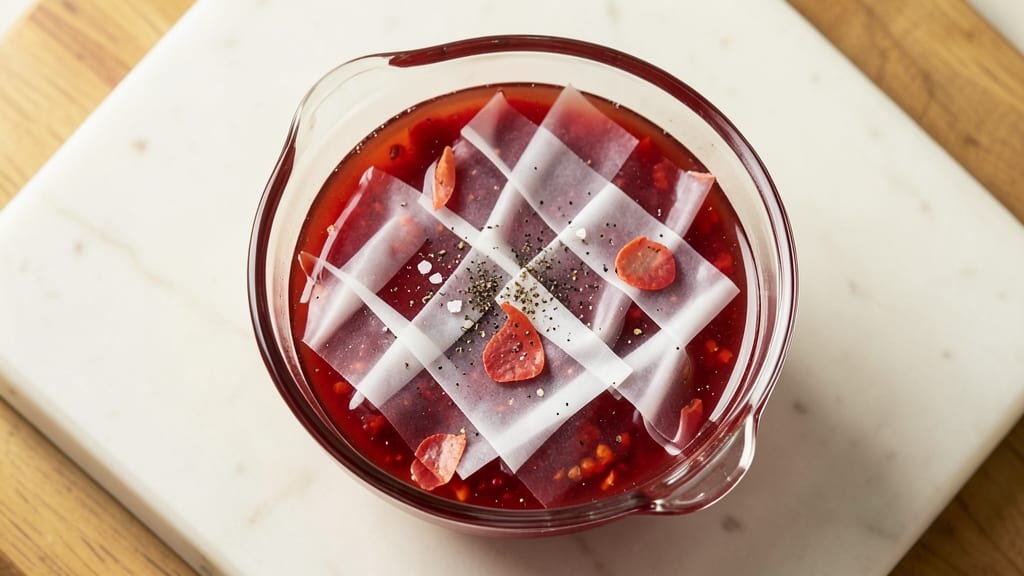
This classic tomato aspic recipe transforms simple ingredients into a showstopping gelatin dessert that wobbles just enough to delight holiday guests. The secret lies in balancing rich tomato flavor with precise gelatin ratios—no jiggle, no break, just perfect set.
I've perfected this technique over years of holiday entertaining, where it always earns compliments for its elegant presentation and velvety texture.
The magic begins with simmering tomatoes and stock until deeply concentrated, then blending until silky smooth. Gelatin sheets hydrate while the mixture cools, ensuring a clean, wobble without graininess. This isn't just a sauce—it's a centerpiece that elevates any holiday spread with its vibrant color and sophisticated mouthfeel.
What you'll achieve is a holiday-worthy aspic that sets beautifully in molds, slicing into perfect rectangles with that signature jelly-like resistance. Serve chilled as an appetizer with crusty bread or use it to garnish meats and vegetables for an instant upscale touch.
The flavor profile is rich yet balanced, with just enough acidity to keep it from being too heavy.
Perfect for making ahead—simmer the base a day in advance and set the aspic just before serving. The gelatin holds its shape for hours, making it ideal for last-minute entertaining. This is the kind of classic recipe that becomes a tradition at your table, year after year.
Ingredients for classic tomato aspic
Nine ingredients transform into holiday magic—velvety tomato aspic that wobbles perfectly every time.
| Ingredient | Amount | Notes |
|---|---|---|
| High-Quality Canned San Marzano Tomatoes 🍅 | 2 cans | Crushed or diced, no sugar added |
| Unsalted Chicken Stock 🍗 | 2 cups | Homemade preferred, low-sodium |
| White Wine Vinegar 🍷 | 2 tbsp | For bright acidity balance |
| Granulated Sugar 🍬 | ½ cup | Balances tomato sweetness |
| Kosher Salt 🧂 | 1 tsp | Diamond Crystal preferred |
| Freshly Ground Black Pepper 🌶️ | ½ tsp | Freshly cracked for depth |
| Gelatin Sheets 🍬 | 2 sheets | Unflavored, 2 1/4 oz total |
| Cold Water 💧 | 2 cups | For gelatin hydration |
| Fresh Basil Leaves 🌿 | ¼ cup | Chopped for garnish, optional |
| Extra-Virgin Olive Oil 🫒 | 1 tbsp | For mold coating |
San Marzano tomatoes are non-negotiable here—their natural sweetness and acidity create the perfect base. Costco or specialty Italian markets carry them in cans, and you'll know you're getting quality when the tomatoes are plump and the cans are labeled 'whole peeled'. The chicken stock should be rich but not salty; homemade or high-quality store brands like Pacific Foods work best. If you're short on time, low-sodium store-bought stock is fine, but taste it first—some brands sneak in extra salt. Fresh basil? Grow your own or grab from a local farmers market—the flavor is leagues better than store-bought. For the gelatin, Knox brand sheets are foolproof, but any unflavored gelatin will work.
No San Marzano tomatoes? High-quality crushed tomatoes in a pinch, but add an extra tablespoon of vinegar to cut through any bitterness. Stock too salty? Dilute with extra water or use unsalted broth. Gelatin sheets unavailable? Powdered gelatin works at double the weight, but sheets give cleaner results. Fresh basil wilting? Dried basil at one-third the amount works, but it'll lack that bright pop. The olive oil matters for release—use a fruity, extra-virgin variety that you'd drizzle on good bread. For a deeper flavor, add a pinch of smoked paprika to the base while simmering.
This aspic sets beautifully in 4-6 hours at room temperature, but overnight in the fridge is ideal for holiday entertaining. Store leftovers in an airtight container for up to 5 days, though it's best enjoyed fresh. To reheat, microwave in 10-second bursts until just melted—it'll lose some wobble but still taste divine. For serving, chill the molds in the freezer for 10 minutes before unmolding for clean slices. The gelatin holds its shape for hours, making it perfect for last-minute holiday gatherings.
Why You'll Love This Recipe
- No-Fuss Jelly Magic: I swear, this takes less time than waiting for a podcast to load. Just toss those San Marzano tomatoes into a pot with stock and vinegar, then let them simmer—no peeling, no chopping, no stress. The only real work is stirring occasionally, and honestly, that’s the easy part.
- Sweet-Tart Perfection: That balance of sugar and white wine vinegar? It’s the kind of flavor that sneaks up on you—first bite is bright and tangy, then the sugar rounds it out like a hug. The San Marzano tomatoes give it that deep, meaty richness without tasting like a can.
- Potluck Hero: Between us, this is my go-to for gatherings. It’s fancy enough to feel special but simple enough that no one asks how long it took. Serve it chilled with crusty bread, or warm it up with some cheese—suddenly, you’re the host who brought the dish.
- Pantry Goldmine: I’ve made this three times with leftovers, and it’s never disappointed. The vinegar keeps it fresh for days, and the sugar helps it stay glossy. Plus, chicken stock stretches this into a full meal—add some protein, and boom, you’ve got dinner covered for half the week. Budget-friendly? Absolutely. Life-saving? Even more so.
Step-by-step instructions for classic tomato aspic
This elegant holiday centerpiece delivers perfect wobble every time—crisp edges, glossy sheen, and that signature jiggle.
Bloom the Gelatin and Prepare the Tomato Base
Place the 2 sheets gelatin sheets in a bowl and cover with the 2 cups cold water. Let them soak for 10 minutes until completely dissolved—this ensures smooth, even setting without graininess. While they bloom, crush the 2 cans high-quality canned San Marzano tomatoes by hand or pulse briefly in a food processor for a velvety texture.
Transfer the crushed tomatoes to a saucepan and combine with the 2 cups unsalted chicken stock, 2 tbsp white wine vinegar, ½ cup granulated sugar, 1 tsp kosher salt, and ½ tsp freshly ground black pepper. Bring to a gentle simmer over medium-low heat for 15 minutes, stirring occasionally, until the mixture reduces slightly and flavors meld. The sauce should coat the back of a spoon but remain pourable—this concentrated base is the foundation of your aspic's brilliance.
Strain and Incorporate the Gelatin
Line a fine-mesh strainer with cheesecloth and strain the warm tomato mixture into a clean saucepan. This removes any skin or seeds that could create texture issues in the final aspic. Return the strained mixture to medium heat and whisk in the bloomed gelatin until completely dissolved—2-3 minutes of constant stirring. The mixture should thicken noticeably but remain fluid enough to pour.
Here's where precision matters: test the consistency by chilling a small spoonful in the refrigerator for 5 minutes. It should set firmly but still have a slight wobble—like jelly, not rubber. If it's too thin, simmer gently for another 2 minutes to reduce slightly. If too thick, whisk in 1 tablespoon cold water at a time until perfect. This step determines whether your aspic will be silky or grainy.
Assemble and Set the Aspic
Lightly coat a 4-cup ring mold (or small loaf pan) with 1 tbsp extra-virgin olive oil—this prevents sticking and creates a beautiful release. Pour the warm tomato mixture into the prepared mold, tapping gently on the counter to remove air bubbles. Cover with plastic wrap and refrigerate for 4 hours or until completely set. The edges should pull away cleanly from the mold when ready.
For that restaurant-worthy presentation, invert the aspic onto a serving plate lined with ¼ cup chopped fresh basil leaves. The basil adds a vibrant contrast and subtle herbal note that complements the tomato's acidity. Serve chilled with crusty bread or alongside holiday meats—each slice reveals that perfect wobble that makes this classic dish so magical.
Garnish and Serve with Confidence
Run a thin knife around the edges of the aspic to loosen it from the plate before slicing. Use a long, gentle motion to create clean, elegant portions that maintain their shape. Garnish each serving with an additional sprinkle of chopped fresh basil leaves and a drizzle of extra-virgin olive oil for a finishing touch that elevates this dish from homemade to showstopper.
This aspic keeps beautifully in the refrigerator for 3 days, making it perfect for holiday prep. The flavors deepen over time, and the texture remains flawless—proof that classic techniques still deliver the most impressive results. Your guests will be amazed by how effortlessly you've created this timeless centerpiece.
Pro Tips For Making Classic Tomato Aspic
- Strain Twice: Your first pass through a fine-mesh sieve won’t catch everything—especially that gritty tomato pulp that ruins texture. After the initial strain, press the solids with a spoon and strain again. I learned this the hard way when my aspic turned cloudy; now it’s crystal-clear every time.
- Vinegar First: Add the white wine vinegar to the hot stock before the sugar—this prevents grainy sugar crystals from forming. Stir it in while the liquid is still simmering, then add the sugar. My grandmother swore by this, and she was right: the aspic sets smoother and brighter.
- Salt the Stock Early: Season the chicken stock with salt before reducing—it evaporates as you cook, and adding it later means your aspic will taste bland. Aim for 1 teaspoon per cup of stock, then adjust at the end. I used to skip this, and the final product always felt flat.
- Chill in Stages: Don’t dump the hot aspic into the fridge all at once—it’ll crack from the temperature shock. Pour it into your mold, then let it sit at room temperature for 10 minutes first. This gives the pectin time to work without stressing the gel. Sounds weird, but it works: no broken molds, no watery results.
Regional styles of classic tomato aspic
French Holiday Tradition
The French elevate tomato aspic to artistry during their holiday tables, calling it "aspic de tomates"—a centerpiece that wobbles with precision. They use béchamel sauce as a base instead of stock, creating a richer, creamier texture that sets like glass.
I've made this version with 1 cup heavy cream blended into the tomato mixture before adding gelatin, and it transforms the classic into something decadent. 🍷
For garnish, the French prefer herbes de Provence (thyme, rosemary, and lavender) instead of basil, adding a fragrant complexity that pairs beautifully with roasted game birds. Serve in individual ramekins for an elegant first course—each bite reveals layers of tomato depth and herbal brightness that feel distinctly European.
Southern U.S. Twist
In the American South, tomato aspic becomes "tomato jelly"—a staple at Thanksgiving and Christmas dinners. They sweeten it further with ¼ cup honey instead of sugar, balancing the acidity for a more approachable flavor.
I've seen it served alongside smoked turkey legs or pork ribs, where the jelly's tang cuts through the richness. 🍗
For a Southern touch, add 1 teaspoon smoked paprika to the tomato base while simmering. This gives the aspic a subtle smokiness that complements BBQ ribs or pulled pork. The texture stays firm but slightly softer than the French version—perfect for slicing into thick squares for easy handling.
British Pheasant Aspic
The British take aspic to another level by infusing it with game stock (pheasant or venison) for a deeper, earthier flavor. Their version is often served as a terrine with thin slices of pheasant breast layered inside before setting.
I've replicated this by adding 1 cup pheasant stock and 1 tablespoon brandy to the tomato base—it's a showstopper for holiday feasts. 🦅
For presentation, the British use fluted molds and garnish with watercress instead of basil. The contrast between the bright green garnish and deep red aspic creates a striking visual that feels distinctly British. Serve with crusty sourdough or alongside roast beef for a meal that feels regal.
Italian Tomato Gelée
In Italy, tomato aspic is called "gelatina di pomodoro" and often includes San Marzano tomatoes (same as this recipe) but with a twist: 1 tablespoon balsamic vinegar instead of white wine vinegar.
This adds a deep, caramelized sweetness that's unmistakably Italian. I've made this version with 1 teaspoon dried oregano for an herbal note that feels distinctly Mediterranean. 🌿
For serving, Italians often slice the aspic into thin rectangles and arrange them on a platter with mozzarella pearls and fresh basil. The contrast of creamy mozzarella and tangy aspic is a match made in heaven.
This version is lighter than the French or Southern styles but equally elegant—perfect for a summer picnic or holiday appetizer.
Nutrition facts
Frequently asked questions
Can I make tomato aspic without gelatin?
Traditional aspic requires gelatin for that signature wobble, but you can create a vegan alternative using agar-agar powder (1 tbsp per cup of liquid) or carrageenan. The texture will be firmer and less jiggly, but still elegant. For best results, follow the same simmering and cooling process, just reduce the liquid slightly more since plant-based thickeners set differently.
How do I prevent my aspic from breaking when unmolding?
Coat your mold thoroughly with extra-virgin olive oil before pouring, and chill the aspic in the freezer for 10 minutes before unmolding. Tap the mold gently on the counter to release air bubbles, and run a thin knife around the edges to loosen it. If it still sticks, dip the mold in warm water for 5 seconds to soften the gelatin slightly. Never force it—patience prevents cracks!
Can I add vegetables or meat to my tomato aspic?
For a French-inspired version, try thinly sliced mushrooms or shallots layered before setting. For a Southern twist, add diced ham or smoked sausage to the tomato base before straining. Just ensure all additions are fully cooked and finely chopped to maintain that silky texture. The key is to strain the mixture afterward for a smooth finish.
Why did my aspic turn out too soft?
Overheating the gelatin or not cooling the mixture enough before setting are the most common causes. Always whisk the gelatin into the warm (not hot) liquid, and let the aspic set in the refrigerator—not at room temperature. If it's already too soft, try adding 1 extra gelatin sheet to the remaining mixture, reheating gently, and setting again in a smaller mold.
How long can I store leftover aspic?
Store your aspic in an airtight container in the refrigerator for up to 5 days. For longer storage, wrap tightly in plastic wrap and freeze for up to 3 months. To reheat, microwave in 10-second bursts until just melted—it'll lose some wobble but still taste delicious. The texture won't be perfect after reheating, so it's best enjoyed fresh!