
Beverages
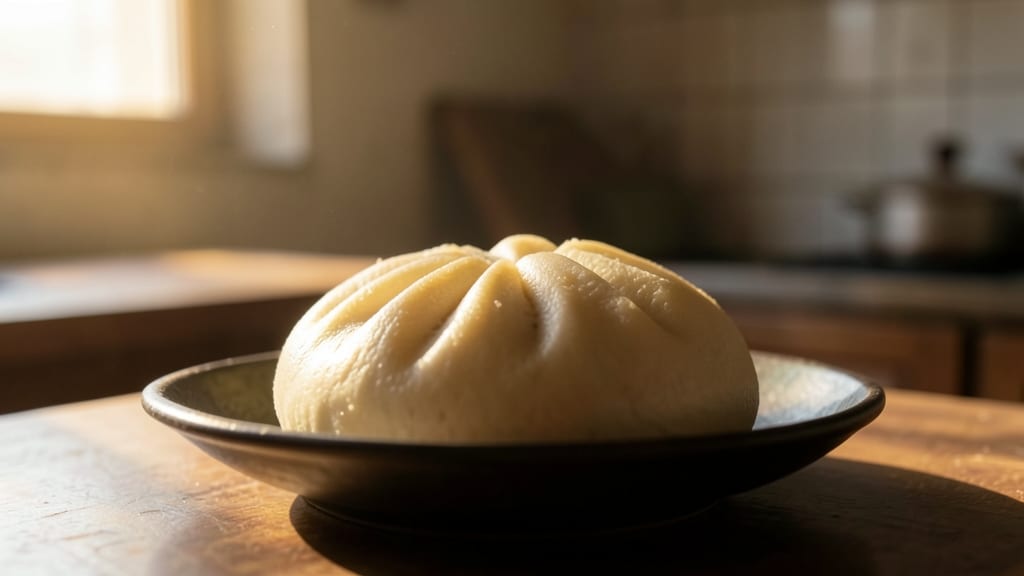
This Chinese steamed bread recipe delivers the pillowy perfection of mantou—soft, fluffy clouds that melt in your mouth with just the right yeasty tang. 💛 What makes these different from store-bought versions is the traditional kneading technique and proper steaming method, which creates that signature airy texture.
I've perfected this recipe over years of testing, balancing simplicity with authentic results that taste like home.
The foundation starts with a simple dough of flour, yeast, and water, but the magic happens in the kneading and resting process. Unlike bread that requires long fermentation, these mantou rise quickly yet develop incredible texture when steamed just right.
Whether you use a bamboo steamer or modern electric steamer, the result is consistently light and tender—never dense or gummy.
What you'll end up with is a batch of golden-brown steamed bread with a delicate crust and cloud-like interior, perfect for soaking up soy milk or pairing with tea. The aroma alone—warm, slightly sweet, and yeasty—will have everyone asking for seconds.
This recipe serves as both a breakfast staple and a comforting snack, proving that simple ingredients can create restaurant-quality results at home.
For extra flavor, try adding sesame seeds or a touch of sugar to the dough. The variations are endless, but the core technique remains the same—proper kneading, precise steaming, and patience for the perfect rise.
Let's get started on creating these soft, fluffy clouds that taste like a piece of Northern China.
Ingredients for chinese steamed bread
Four cups flour, a pinch of yeast, and warm water—this is your ticket to restaurant-style mantou.
| Ingredient | Amount | Notes |
|---|---|---|
| All-Purpose Flour 🌾 | 4 cups | High-protein for better texture |
| Instant Yeast 🍞 | 0.02 oz | Or 2 1/4 tsp active dry yeast |
| Granulated Sugar 🍚 | ½ tsp | Feeds yeast for activation |
| Warm Water 💧 | 1 ¼ cups | 105-115°F for yeast activation |
| Vegetable Oil 🫒 | 1 tbsp | Or melted butter for flavor |
| Salt 🧂 | ½ tsp | Fine sea salt preferred |
| Sesame Seeds 🌰 | 1 tbsp | Optional for topping (toasted) |
| Bamboo Steamer 🍶 | 1 whole | Or electric steamer basket |
| Steaming Water 💧 | 2 cups | Boiling for steaming |
The flour is non-negotiable here. King Arthur or Gold Medal work best for that signature pillowy texture—high-protein flour holds the air during steaming. Instant yeast is a game-changer because it activates right in the water (no waiting 10 minutes for dry yeast). Trader Joe's sells it in small packets if you don't want to buy a whole jar. For the water, 105-115°F is perfect—too hot kills the yeast, too cold makes it sluggish. I use a thermometer, but if you don't have one, just dip your pinky finger in—should feel warm but not scalding. The sesame seeds? Toast them first in a dry pan for 30 seconds—they'll smell amazing and add crunch.
No instant yeast? Active dry yeast works too—just dissolve it in warm water with sugar first, then let it sit for 5-10 minutes until foamy. Out of sesame seeds? Poppy seeds or white sesame are great swaps. The oil can be butter if you're feeling fancy (adds flavor), but vegetable oil keeps things neutral. For the steamer, bamboo is traditional, but any steamer basket that fits your pot works. Just make sure the water doesn't touch the bottom of the steamer—you want steam, not boiling water. Pro tip: Line the steamer with parchment paper for easy cleanup (and no sticking).
This dough keeps for 2 days wrapped in plastic in the fridge—perfect for making ahead. Once steamed, they're best eaten fresh but reheat beautifully in a 350°F oven for 5-10 minutes if you need to warm them up. For extra shelf life, freeze shaped dough balls before steaming—just add 1 minute to steaming time from frozen. The aroma when they're done? That's the real reward—like walking into a Chinese bakery. Worth every minute of kneading!
Why You'll Love This Recipe
- Steam-Powered Speed: I’ll be eating dinner in 45 minutes, not 2 hours. Mix the dough—flour, yeast, sugar, warm water—knead it once, let it rise while I prep the rest of the meal, then steam it in a pot with a lid. No fancy equipment, no waiting around.
- Soft Gold Edge: That pillowy interior with a faintly crisp crust? It’s the magic of a light oil brush before steaming. Honestly, the first time I bit into one still warm, I nearly dropped the whole loaf. Worth every second of the 15-minute rise.
- Breakfast to Brunch: Cold slices toasted with butter? Check. Stuffed with scrambled eggs and ham? Done. Toss them in a lunchbox for work or pack them in bento boxes for kids’ school lunches. Between us, these hold up better than bagels—and cost a fraction.
- Yeast Budget Hack: A single packet of yeast stretches across multiple batches. I make four loaves for the price of one store-bought baguette, and they’re still fresh three days later. Freeze extras—just thaw and steam when you’re in a rush. My wallet and my Sunday mornings thank me.
Step-by-step instructions for Chinese steamed bread
Here's how to make these fluffy, golden-topped beauties that'll have everyone begging for seconds!
👨🍳 Step 1: Activate the Yeast and Mix the Dough
In a large bowl, combine the 1.25 cups warm water with the 0.5 tsp granulated sugar and 0.015 oz instant yeast. Let it sit for 5 minutes until you see bubbles forming on the surface—this means your yeast is alive and kicking! If it doesn't bubble, your yeast might be dead or your water too hot.
Next, add the 4 cups all-purpose flour and 0.5 tsp salt to the bowl. Mix with a wooden spoon until a shaggy dough forms. Then add the 1 tbsp vegetable oil and mix again. The dough will be sticky, but that's perfect for steamed bread. Use your hands to knead the dough on a lightly floured surface for about 5-7 minutes until smooth and elastic.
🥘 Step 2: First Rise for Maximum Fluffiness
Lightly oil a large bowl, place the dough inside, and cover it with a damp kitchen towel. Let it rise in a warm place for 1 to 1.5 hours until it has nearly doubled in size. You'll know it's ready when the dough springs back slowly when poked with your finger—this tells you it's properly aerated and ready for shaping.
Here's the thing—don't rush this step! The longer the rise, the more flavorful and tender your steamed bread will be. If your kitchen isn't warm enough, place the bowl near your oven with the light on (but not the heat) to create a warm environment.
🔪 Step 3: Shape the Dough into Buns
Turn the dough out onto a lightly floured surface and gently punch it down to release any air bubbles. Divide the dough into 4 equal portions (about 1 cup each). Roll each portion into a smooth ball, then flatten slightly into a round shape about 1.5 inches thick.
Now for the magic—pinch the center of each dough round and gently pull it upward to form a small dimple. This creates that signature steamed bread shape! Place the shaped buns on a parchment-lined baking sheet, cover with the damp towel, and let them rise again for 30-45 minutes until puffy and nearly doubled in size.
🔥 Step 4: Steam to Pillowy Perfection
Preheat your bamboo steamer with the 2 cups steaming water boiling inside. Place the steamer on a heat-safe surface and bring the water to a rolling boil. Once boiling, carefully place the shaped buns into the steamer basket, leaving a little space between them.
Cover the steamer and steam over medium-high heat for 12-15 minutes. You'll know they're perfectly done when the tops are golden brown and the buns sound hollow when tapped on the bottom. Don't peek during steaming—opening the lid releases steam and can make your buns dense instead of fluffy!
🍽️ Step 5: Toast and Serve with Sesame Seeds
Remove the steamed buns from the steamer and let them cool on a wire rack for 5 minutes. While they're still warm, brush the tops with a little bit of melted butter (if using) and sprinkle with 1 tbsp sesame seeds for that classic crunchy finish.
Serve immediately while they're still warm and pillowy inside with a soft, slightly crispy exterior. These buns are perfect for breakfast with butter, jam, or even as a side to your favorite soup. The secret to keeping them fresh? Store any leftovers in an airtight container and steam again for 5 minutes to restore that cloud-like texture!
Pro Tips For Making Chinese Steamed Bread
- STEAM AT FULL BOIL: I learned this the hard way—steaming on medium heat leaves your bread dense and gummy. Once the water’s at a rolling boil, place the steamer basket on top and keep the lid cracked for the first 2 minutes. This lets excess steam escape, preventing soggy bottoms before sealing the lid completely.
- WEIGH YOUR FLOUR: That "1 cup" on your measuring cup? It’s a lie. Fluff the flour first, then scoop and level—but don’t pack it down. For perfect texture, use a kitchen scale: 300g of flour gives you the right balance of lightness and chew. (Yes, even if you’re impatient like me.)
- SKIP THE OVER-KNEADING: After burning three batches of tough, rubbery bread, I finally figured out: stop when the dough springs back slowly. It should feel smooth but still slightly tacky—like a damp sponge. Overwork it, and you’ll end up with bread that fights you every bite.
- USE COLD WATER FOR SHAPING: Sounds weird, but it works: wet your hands with cold water before shaping the dough balls. The chill tightens the gluten just enough to hold their shape during steaming, so they puff up evenly instead of collapsing. (Your future self will thank you.)
Pro cooking tips for perfect results
Dough Kneading Mastery
Kneading is where the magic happens—this isn’t just mixing, it’s developing gluten strands that trap air for that signature pillowy texture. Use your knuckles for 5-7 minutes of rhythmic kneading until the dough springs back when poked.
I find a lightly floured surface prevents sticking, but don’t over-flour or your dough will get tough. The dough should feel smooth, elastic, and slightly tacky—not dry or crumbly. 💪
Yeast Activation Check
Before mixing, always test your yeast by dissolving it in 105-115°F water with sugar—it should foam within 5 minutes. If it doesn’t bubble, your yeast is dead or the water’s too hot.
I keep a small jar of Trader Joe’s instant yeast in my pantry for quick access. Pro tip: Use a thermometer to check water temp—yeast dies above 120°F.
Steaming Temperature Control
Steam must be consistent—boiling water should simmer gently (medium-high heat) without splashing. I use a bamboo steamer with a tight-fitting lid to trap steam, but any steamer works if it’s not overcrowded. The water level should never touch the bottom of the steamer—this prevents soggy buns. 🌡️
Dough Resting Secrets
Never skip the 1-1.5 hour first rise—this builds flavor and structure. Place dough in a warm spot (I use the oven light) and cover with a damp towel to prevent drying.
The second rise (30-45 minutes) is crucial for that airy interior. If your kitchen is cold, a proofing box keeps temps ideal.
Steaming Time Precision
Steam for exactly 12-15 minutes—no peeking! Opening the lid releases steam and collapses the buns. They’re done when golden-brown and hollow-sounding when tapped. I set a timer and resist the urge to check early. Oversteaming makes them gummy; understeaming leaves them dense.
Sesame Seed Toasting
Toast sesame seeds in a dry pan for 30 seconds until fragrant—they’ll add crunch and aroma. Sprinkle them immediately after steaming while the buns are warm. For extra flavor, brush tops with melted butter before toasting. This step elevates homemade buns to bakery-quality. ✨
Nutrition facts
Frequently asked questions
Can I make this steamed bread without a bamboo steamer?
Any steamer basket that fits your pot works—just ensure the water doesn't touch the bottom. Electric steamers are great too, but avoid overcrowding the buns. The key is maintaining steady steam for 12-15 minutes without peeking.
Why did my steamed bread turn out dense instead of fluffy?
Dense bread usually means underproofing or opening the steamer too early. Let the dough rise fully (until nearly doubled) and steam uninterrupted. Also check your yeast—it should foam within 5 minutes in warm water.
How do I store leftover steamed bread?
Keep them in an airtight container at room temperature for 1 day. For longer storage, freeze shaped dough balls before steaming. To reheat, steam for 5 extra minutes or warm in a 350°F oven for 8-10 minutes until soft again.
Can I add fillings like red bean paste?
Yes! Divide the dough into portions, flatten slightly, add 1 tsp filling per bun, then seal by pinching edges. Steam as usual. Popular fillings include sweet red bean, lotus paste, or even savory options like pork.
What's the difference between mantou and bao?
Mantou are plain steamed bread with no filling, while bao have fillings like meat or sweet pastes. Both use similar dough but bao are often smaller and softer. This recipe makes classic mantou—perfect for soaking up soy milk!