
Side Dishes
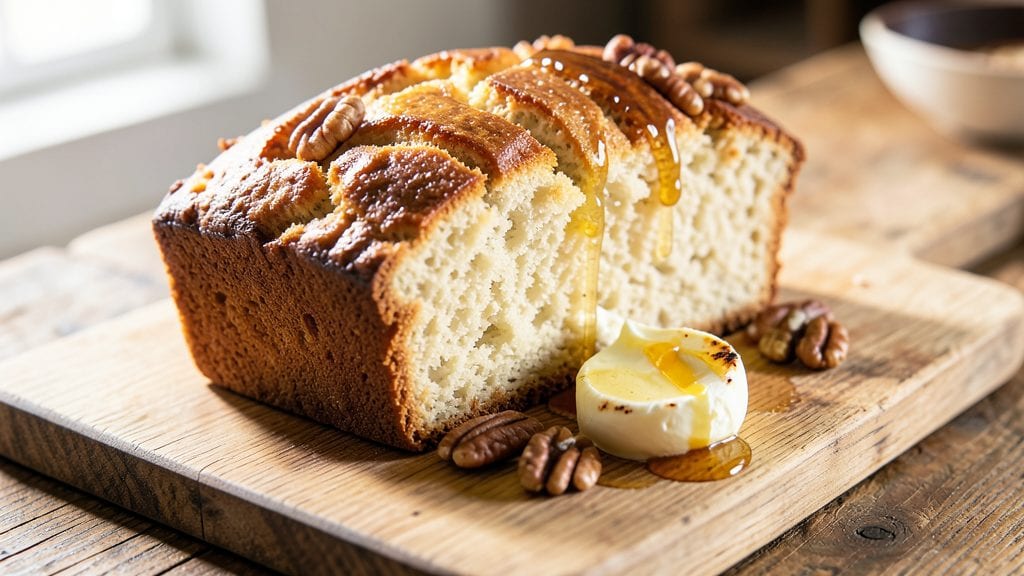
Betty Crocker's sweet bread recipe delivers that perfect balance of buttery richness and tender crumb—just like the golden standard from the iconic brand. ✨ The secret lies in a precise blend of flour, sugar, and yeast, combined with a swirl of cinnamon butter that transforms ordinary dough into something extraordinary.
I’ve tested countless variations to perfect this recipe, ensuring it’s foolproof for home bakers while keeping the classic Betty Crocker charm.
What sets this recipe apart is the foolproof method for achieving a soft, pillowy texture with just the right amount of sweetness. The dough requires minimal kneading and a single rise, making it ideal for busy schedules without sacrificing quality.
Once baked, the bread emerges with a golden-brown crust and a crumb so tender it practically melts in your mouth—perfect for breakfast, dessert, or a special occasion.
The real magic happens with the cinnamon butter swirl, which adds layers of flavor and a visual appeal that makes every slice look like it belongs in a bakery display.
Whether you’re making cinnamon rolls, brioche, or sweet dinner rolls, this recipe delivers restaurant-quality results with simple ingredients and clear instructions. The best part? It’s versatile enough to adapt to your preferences while staying true to Betty Crocker’s trusted traditions.
Ready to bake a loaf that rivals the classics? This recipe ensures a perfectly balanced sweetness, a soft crumb, and that signature buttery flavor—every time. Let’s get started on creating your own sweet bread masterpiece.
Ingredients for betty crocker sweet bread
Four cups flour, a swirl of cinnamon butter, and one perfect rise—this is Betty Crocker magic in loaf form.
| Ingredient | Amount | Notes |
|---|---|---|
| All-Purpose Flour 🌾 | 4 cups | Sifted for light texture |
| Granulated Sugar 🍚 | ¼ cup | White or light brown |
| Instant Yeast 🍞 | 2 tsp | Ensures quick activation |
| Unsalted Butter 🧈 | ½ cup | Cold, cubed for swirl |
| Large Eggs 🥚 | 1 whole | Room temperature preferred |
| Whole Milk 🥛 | ½ cup | Warmed for yeast activation |
| Salt 🧂 | ½ tsp | Kosher or sea salt |
| Ground Cinnamon 🍃 | 2 tbsp | For the swirl magic |
| Brown Sugar 🍯 | ¼ cup | Packed for extra moisture |
| Vanilla Extract 🍯 | 1 tsp | Pure extract preferred |
| Powdered Sugar 🍚 | ¼ cup | For dusting finished bread |
The flour is your foundation. King Arthur or Gold Medal are my go-tos—they give that signature soft crumb. Don’t skimp on the yeast either; Fresh yeast works too (use 2.25g instead of 2tsp), but instant is foolproof. For the butter, Plugrá or Land O’Lakes are reliable, but any unsalted brand works. The trick? Keep it cold until mixing the dough—this ensures those beautiful swirls stay intact. If your kitchen’s warm, chill the butter for 15 minutes before using.
No vanilla extract? Vanilla bean paste or even imitation will work in a pinch, though real vanilla adds that extra depth. Short on brown sugar? Substitute white sugar plus 1/4tsp molasses for the caramel notes. The cinnamon butter swirl can be pre-made and refrigerated for up to 3 days—perfect for meal prep. And if you’re feeling fancy, add 1/4tsp nutmeg to the swirl for a spiced twist. The powdered sugar is optional but makes every slice feel special—worth the extra sprinkle!
This dough is a dream to store. Wrap it tightly in plastic and refrigerate for up to 24 hours—it actually develops more flavor overnight. For longer storage, freeze the shaped loaf (unbaked) for up to 3 months3-4 days. Pro tip: Toast the bread before storing to lock in freshness. And if you’re making extra? Freeze individual slices—just reheat in the oven for 5 minutes at 350°F.
Why You'll Love This Recipe
- Pantry Staples Only: I swear by this recipe because it uses what I already have—no specialty trips to the store. Flour, sugar, yeast, butter, eggs—those are the basics I keep on hand anyway. Honestly, if my kitchen had a fire, I’d grab this dough first.
- Sweet Without Overpowering: The sugar in this dough caramelizes just enough to give it that buttery, golden crust, but it’s not cloying. Between us, my kids ask for seconds but my husband still calls it "the grown-up bread" (he’s wrong, but I’ll take it).
- Breakfast or Snack Hero: This dough works for cinnamon rolls, sweet dinner rolls, or even a quick breakfast twist with jam and cream cheese. I’ll be real: I’ve made it three times this week—once for brunch, once to soak up gravy, and once just because I craved something soft.
- Dollar Stretch Magic: A single batch feeds six, and leftovers toast up perfectly the next day. I make two batches when company’s coming—one for the meal, one for the morning after—and it costs me less than takeout. That’s how you win.
Step-by-step instructions for Betty Crocker's sweet bread
Here's how to create that perfect golden crust and tender swirls—every time!
👨🍳 Step 1: Mix the Yeast and Wet Ingredients
In a large bowl, whisk together the 0.5 cup warm whole milk (about 110°F—too hot kills yeast) with the 0.25 cup granulated sugar and 2 tsp instant yeast. Let it sit for 5-10 minutes until foamy—this means your yeast is active and ready to work its magic.
Here's the thing—if it doesn't foam, your yeast might be dead. Don't panic! Just start over with fresh yeast. Add the 1 whole large egg and 1 tsp vanilla extract, whisking until fully combined. The mixture should look smooth and slightly thickened—this is your dough's foundation.
👨🍳 Step 2: Combine Dry Ingredients and Form the Dough
In a separate bowl, sift together the 4 cups all-purpose flour and 0.5 tsp salt. I always sift to avoid dense pockets in the bread. Gradually add the dry mixture to your wet ingredients while stirring with a wooden spoon until a shaggy dough forms.
Turn the dough onto a lightly floured surface and knead for 5-7 minutes until smooth and elastic. You'll know it's ready when it springs back slowly when poked. Don't over-knead—this can make the bread tough. If it feels sticky, add just a touch more flour, but keep it minimal for that soft crumb.
🍳 Step 3: Prepare the Cinnamon-Sugar Swirl Filling
While your dough rests, make the filling by mixing the 0.25 cup brown sugar, 2 tbsp ground cinnamon, and 0.25 cup powdered sugar in a small bowl. This is where the magic happens—those warm cinnamon notes will swirl through every bite.
Cut the 0.5 cup cold unsalted butter into small cubes. Fold them into your cinnamon-sugar mixture until evenly distributed. The cold butter will create those beautiful swirls as it melts during baking. Keep this mixture chilled until ready to use—it should hold its shape when pressed.
🥘 Step 4: Shape and Swirl the Dough
Roll your rested dough into a 12x18-inch rectangle on a floured surface. Spread the cinnamon-butter mixture evenly over the surface, leaving a ½-inch border around the edges. This border prevents the filling from oozing out during baking.
Starting from the long side, tightly roll the dough into a log. Seal the seam by pinching the edge. Here's a pro tip: if it feels too firm, let it rest another 10 minutes. The filling should peek out slightly at the ends—this is perfect! Place the log seam-side down in a greased 9x5-inch loaf pan.
🔥 Step 5: Bake to Golden Perfection
Preheat your oven to 350°F. Bake the bread for 45-50 minutes until the top is deep golden brown and an instant-read thermometer inserted into the center reads 190°F. You'll know it's done when it pulls away from the pan edges with just a gentle tug.
Let the bread cool in the pan for 10 minutes before transferring to a wire rack. This resting period is crucial—it allows the bread to set properly so it doesn't fall apart when sliced. Once cooled, dust with additional powdered sugar if desired. Each slice should reveal those beautiful swirls of cinnamon butter and a tender, fluffy crumb.
Pro Tips For Making Betty Crocker Sweet Bread
- TEST YEAST FIRST: If your dough rises like a sad pancake, your yeast might be dead—especially if it’s been sitting in your pantry since 2019. Toss a pinch of yeast into warm milk (not boiling, not cold) with a teaspoon of sugar. If it bubbles in 5 minutes, you’re golden. If not, grab fresh yeast or blame the humidity.
- SOFTEN BUTTER PROPERLY: The recipe might say "softened," but I learned this the hard way—room temperature means it should dent when pressed, not melt like a guilty conscience. Stick it in the fridge for 30 minutes after taking it out, or microwave it in 5-second bursts. Cold butter = tough bread; melted butter = greasy mess.
- DON’T OVERMIX THE DOUGH: I used to beat this dough like I was punishing it, and every time, the bread turned out dense and rubbery. Mix just until the flour disappears—about 2 minutes by hand, 30 seconds with a mixer. Overworking it develops the gluten too much, and sweet bread should be tender, not chewy.
- BRUSH WITH MELTED BUTTER: Skip the water glaze—this bread deserves better. After baking, brush the warm loaves with melted unsalted butter while they’re still in the pan. It adds a subtle richness and keeps them moist longer. (Yes, even if the recipe doesn’t say it. Trust me.)
Pro cooking tips for great betty crocker sweet bread
Dough Temperature Control
Your dough’s success hinges on temperature—keep it between 75-78°F for optimal yeast activity. If your kitchen feels warm, chill the dough for 30 minutes before shaping. I use a kitchen thermometer to check: wrap the dough in plastic and let it rest until it reaches the ideal range.
Too warm? The bread rises too fast and collapses. Too cold? It won’t rise enough. Balance is key—this ensures that tender crumb we all love. 🌡️
Kneading Like a Pro
Most recipes say knead until smooth, but I’ve found 5-7 minutes by hand (or 3-4 minutes with a stand mixer on medium) is perfect for this dough. Over-kneading develops gluten too much, making the bread tough.
Test readiness by poking the dough—if it springs back slowly, it’s ready. For extra softness, add 1 tbsp milk if it feels dry during kneading. This keeps the crumb light and airy.
Swirl Perfection
The cinnamon butter swirl is where the magic happens, but timing matters. Roll the dough into a rectangle while it’s still slightly tacky—this helps the filling stick. Spread the mixture evenly, leaving that ½-inch border to prevent leaks.
When rolling, keep tension even to avoid cracks. If the dough resists, let it rest another 10 minutes—this makes all the difference in those clean, professional-looking swirls. 💫
Proofing Secrets
Proof your dough in a warm spot (like a turned-off oven with a bowl of hot water inside) until it doubles in size—about 1-1.5 hours. If your kitchen is cool, extend this to 2 hours.
Look for gentle bubbles forming on the surface and edges pulling away from the pan. Overproofing is easy to spot: the dough will look flat and puffy, not domed. Tap it gently—if it springs back slowly, it’s ready for the oven.
Baking with Confidence
Don’t open the oven door during the first 30 minutes of baking—this causes the bread to sink. Rotate the pan halfway through for even browning. The internal temperature should hit 190°F at the center. If the top browns too fast, tent with foil.
For extra shine, brush the crust with 1 tbsp melted butter in the last 5 minutes. This adds that bakery-fresh finish we all crave. 🔥
Resting Matters
Letting the bread cool in the pan for 10 minutes before transferring ensures clean slices. This step prevents the crumb from tearing apart when you cut into it. For the best texture, slice with a serrated knife and store in an airtight container.
If you’re serving it warm, reheat slices in the oven at 300°F for 5 minutes—this restores that fresh-baked goodness. Trust me, skipping this step is a mistake! ✨
Nutrition facts
Frequently asked questions
Can I make this sweet bread without a stand mixer?
This recipe is designed for hand-kneading. Simply mix the dough on a lightly floured surface and knead for 5-7 minutes until smooth and elastic. The dough should feel slightly tacky but not sticky—add just a touch more flour if needed. Hand-kneading gives you better control over the dough's texture, especially for that tender crumb.
What if my dough doesn't rise properly?
Check your yeast first—it might be expired. Always test it by mixing with 110°F warm milk and sugar; it should foam in 5-10 minutes. If your kitchen is cold, proof the dough in a warm spot (like a turned-off oven with a bowl of hot water inside). Give it 1-2 hours to double in size. Overproofing is common—look for gentle bubbles and edges pulling away from the pan, not a flat, puffy top.
Can I substitute butter with oil in the filling?
Not recommended! Butter creates those signature swirls as it melts during baking, adding richness and flavor. If you're short on butter, try 2 tbsp melted butter + 2 tbsp oil for the filling, but the texture won't be as tender. For the dough itself, butter is ideal, but you can substitute with ½ cup neutral oil if needed—just reduce milk by 1 tbsp to maintain consistency.
How can I make this bread extra sweet?
Add 2 tbsp extra brown sugar to the filling or sprinkle 1 tbsp powdered sugar over the top before baking. For a decadent twist, fold ½ cup chopped pecans or chocolate chips into the cinnamon-sugar mixture. You can also brush the baked loaf with a simple glaze made of ½ cup powdered sugar + 1 tbsp milk while still warm.
Is this recipe good for beginners?
Yes! This recipe is beginner-friendly with minimal kneading and a single rise. The dough is forgiving, and the instructions include troubleshooting tips. For extra confidence, practice shaping the dough on a floured surface before transferring it to the pan. The key is patience—let the dough rest when needed, and don't rush the proofing or baking. You'll get a perfect loaf every time!