
Soups & Stews
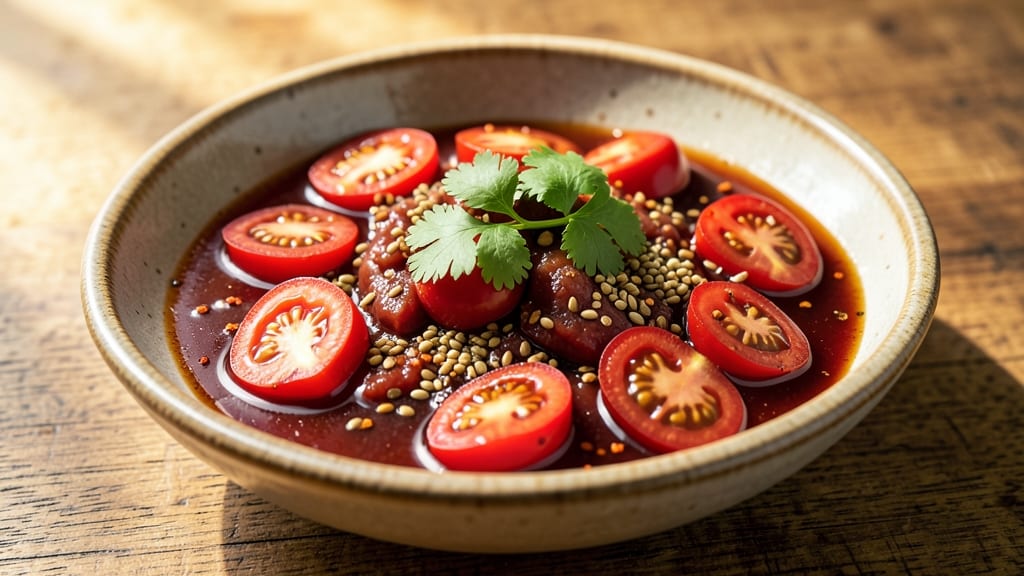
This cherry tomato chutney recipe transforms humble ingredients into a bright, tangy, herb-packed sauce that elevates everything from sandwiches to grilled meats. The secret lies in balancing sweet cherry tomatoes with sharp vinegar and aromatic spices—creating a versatile condiment that keeps for weeks in your pantry.
I developed this recipe after realizing store-bought chutneys never quite hit the mark, so I perfected a foolproof method that delivers restaurant-quality flavor at home.
The beauty of this chutney is its adaptability—whether you prefer a chunky texture with visible tomato pieces or a smooth blend, you can adjust it to your taste. The base of cherry tomatoes, garlic, and ginger forms the foundation, while cumin, coriander, and a touch of chili add depth.
A splash of vinegar ensures the tangy brightness that makes this chutney irresistible, while a hint of sugar balances the acidity.
What you’ll end up with is a vibrant, aromatic sauce that’s perfect for drizzling over curries, spreading on toast, or pairing with charcuterie boards. The flavors develop as it sits, making it even more complex over time.
This isn’t just a condiment—it’s a game-changer for any meal, and the best part? It takes less than 20 minutes to make.
Store it in an airtight jar in the fridge for up to two weeks, or extend its shelf life to three months by canning. The possibilities are endless—try it with grilled chicken, roasted vegetables, or even as a dip for pita chips.
Let’s get started on this pantry essential!
Ingredients for cherry tomato chutney
Bright cherry tomatoes, zesty vinegar, and aromatic spices—this chutney transforms simple pantry staples into a vibrant condiment.
| Ingredient | Amount | Notes |
|---|---|---|
| Cherry Tomatoes 🍅 | 2 lbs | Fresh, vine-ripened preferred |
| Red Wine Vinegar 🍷 | ½ cup | Dry, high-quality variety |
| Granulated Sugar 🍯 | ¼ cup | White or raw cane sugar |
| Ground Cumin 🌿 | 2 tsp | Toasted for deeper flavor |
| Ground Coriander 🌿 | 1 ½ tsp | Freshly ground preferred |
| Cayenne Pepper 🔥 | ½ tsp | Adjust for heat preference |
| Fresh Garlic Cloves 🧄 | 4 cloves | Peeled, roughly chopped |
| Fresh Ginger Root 🌿 | 2 tbsp | Grated, fresh preferred |
| Fresh Cilantro Leaves 🌿 | ½ cup | Stems removed, loosely packed |
| Extra-Virgin Olive Oil 🫒 | ¼ cup | Light, fruity variety |
| Salt 🧂 | 1 ½ tsp | Diamond Crystal kosher salt |
| Lemon Juice 🍋 | 2 tbsp | Freshly squeezed |
Cherry tomatoes are the heart of this chutney, so pick the sweetest, firmest ones you can find—Heirloom varieties from the farmers market have the most flavor. If you can’t find fresh ones, Trader Joe’s or Whole Foods carry excellent vine-ripened cherry tomatoes year-round. The vinegar should be dry and robust—avoid sweetened varieties, which will throw off the balance. For the spices, toast your cumin seeds in a dry pan for 30 seconds before grinding to wake up their flavor. Fresh ginger and garlic are non-negotiable here—they’re what gives this chutney its depth, so don’t substitute with powdered versions.
No fresh cilantro? Fresh parsley works in a pinch, though it’ll have a slightly different profile. Short on vinegar? Apple cider vinegar or white wine vinegar both work, but you might need an extra splash to compensate for their milder acidity. If you prefer a smoother texture, blend the tomatoes first before adding the other ingredients. For extra heat, add a pinch of red pepper flakes or a dash of hot sauce. The sugar is key—it balances the acidity, so don’t skip it. If you’re using raw cane sugar, pack it tightly to get the full ¼ cup measurement.
This chutney tastes even better after it sits for a few hours, so make it a day ahead if possible. Store it in an airtight glass jar in the fridge for up to two weeks, or extend its shelf life to three months by canning. For canning, use a water bath method for 15 minutes to ensure safety. The flavors deepen over time, so don’t be afraid to make a big batch—it’s perfect for gifting or freezing in ice cube trays for single-serving portions.
Why You'll Love This Recipe
- No-Fuss Assembly: I swear by this recipe because it’s the kind of thing I can make while scrolling through my phone—halve those cherry tomatoes, toss them in a blender with vinegar and spices, and boom. Done. The sugar and cumin do all the heavy lifting while I’m not even looking.
- Tangy-Sweet Magic: That bright red wine vinegar cuts through the sweetness of the tomatoes in the best way—like a little flavor hug. The cumin and coriander add this warm, earthy depth that makes it taste way more complex than it is. Honestly, it’s the kind of chutney that makes you reach for seconds without even thinking.
- Weeknight Workhorse: This stuff works on everything—dip it with crackers, drizzle it over grilled chicken, or toss it into a grain bowl. I keep a jar in the fridge for when I’m too tired to plan dinner but still want something that tastes intentional. (Yes, even on a Tuesday night.)
- Budget-Friendly Staple: Cherry tomatoes are cheap, vinegar lasts forever, and a pinch of spices stretches into jars of this chutney. I’ve made it last three weeks in my fridge, and it only gets better as the flavors meld. Plus, it’s the kind of pantry hero that turns simple meals into something special without breaking the bank.
Step-by-step instructions for cherry tomato chutney
Here's how to craft a vibrant, tangy chutney that balances sweet, spicy, and herbal notes perfectly.
Prepare the Cherry Tomatoes
Begin by halving the 2 lbs cherry tomatoes and removing their cores using a small paring knife. I like to work in batches—this keeps the prep organized and prevents the tomatoes from drying out before they hit the pan. You'll end up with about 4 cups of chopped tomatoes, which is perfect for developing that jammy texture we're after.
Transfer the halved tomatoes to a large, heavy-bottomed saucepan. The extra surface area from halving them ensures they'll break down quickly during cooking. If you're using particularly large cherry tomatoes, you might want to quarter them instead—this speeds up the cooking process and prevents uneven texture in the finished chutney.
Sauté Aromatics Until Fragrant
In the same saucepan (no need to wash it—the residual tomato juice adds depth), heat the 0.25 cup extra-virgin olive oil over medium heat. Add the 4 cloves fresh garlic cloves and 2 tbsp grated fresh ginger root, stirring constantly for 2-3 minutes until the garlic turns golden and fragrant—this prevents it from burning, which would make the chutney bitter.
Here's where the spices come in: Add the 2 tsp ground cumin, 1.5 tsp ground coriander, and 0.5 tsp cayenne pepper, stirring vigorously for 30 seconds to toast the spices. You'll smell their warm, earthy aromas—this is your cue that they're ready to meld with the tomatoes. The cayenne will add a subtle heat that brightens the entire chutney, so don't skip this step.
Cook the Tomato Base
Pour in the 0.5 cup red wine vinegar and 2 tbsp lemon juice, then add the 0.25 cup granulated sugar. Stir well to combine, then increase the heat to medium-high. Let the mixture simmer vigorously for 10-12 minutes, stirring occasionally, until the tomatoes begin to break down and the liquid reduces by about one-third. You're looking for a thick, jammy consistency—this is the foundation of your chutney.
I like to press the tomatoes gently with a wooden spoon during this stage. This helps release their juices and speeds up the breakdown process. If the mixture starts to stick or burn, reduce the heat slightly and add 1-2 tablespoons of water—just enough to keep it moving freely. The acidity from the vinegar and lemon will help balance the sweetness as it develops.
Finish with Herbs and Season
Once the tomatoes have softened and the mixture is thickened, reduce the heat to low and stir in the 0.5 cup fresh cilantro leaves and 1.5 tsp salt. The cilantro adds a bright, herbal finish that cuts through the richness of the tomatoes and spices. Let the chutney simmer for another 5 minutes, stirring occasionally, until the flavors have fully melded together.
Taste and adjust the seasoning if needed. You might want to add a pinch more salt or a splash of lemon juice to brighten the flavors. The chutney should be tangy, slightly sweet, and herbaceous, with a subtle kick from the cayenne. If it's too thick, thin it with 1-2 tablespoons of water or a bit more vinegar. For a smoother texture, you can press the chutney through a fine-mesh sieve, but I prefer the rustic texture of the whole herbs.
Cool and Store
Transfer the chutney to a clean glass jar and let it cool to room temperature. The flavors will continue to develop as it cools, so give it at least 30 minutes before tasting again. This chutney keeps well in the refrigerator for up to 2 weeks, but I find it tastes even better after a day or two as the flavors deepen.
Here's the thing—this chutney is incredibly versatile. Use it as a condiment for grilled meats, a spread for sandwiches, or a drizzle over roasted vegetables. The bright acidity and herbal notes make it a perfect companion to rich, fatty dishes like lamb chops or creamy cheeses. And if you make a big batch, freeze half for later—it reheats beautifully and tastes just as fresh.
Pro Tips For Making Cherry Tomato Chutney
- CRUSH TOMATOES FIRST: Dump those whole cherry tomatoes into a food processor or blender before adding anything else—no chopping needed. I learned this the hard way when I tried to smash them by hand mid-recipe and ended up with uneven texture and splattered juice everywhere. A quick pulse until rough-chopped keeps the process smooth and the flavors even.
- TOAST THE SPICES: Dry-toast your cumin and coriander in a small pan over medium heat for 30 seconds before adding them to the vinegar. This wakes up their aroma and prevents that dull, raw-spice taste. Skip this, and your chutney will taste like you just sprinkled dust on the tomatoes.
- SIMMER LOW AND LONG: Reduce the heat to the lowest setting once the chutney starts bubbling—this is where patience pays off. A slow simmer for 10-12 minutes lets the sugar and vinegar meld without burning, while rushing it turns the chutney into a sad, syrupy mess. Your future self will thank you for not skimming this step.
- SWAP VINEGAR FOR BALANCE: If your chutney tastes too sharp, swap 1 tablespoon of red wine vinegar for the same amount of lemon juice at the end. The acidity stays bright, but the citrus cuts through the sweetness better. I was skeptical until I tried it—now it’s my go-to fix when the vinegar wins the flavor battle.
Perfect pairings for these flavors
Sandwich Spread
This chutney transforms simple sandwiches into gourmet meals. Spread a generous layer on sourdough or ciabatta with sharp cheddar and prosciutto for a bright, tangy contrast. I love pairing it with grilled chicken and avocado slices for a restaurant-worthy lunch.
The acidity cuts through rich meats perfectly, while the herbs add freshness. 🥪
Grilled Meats
Brush this chutney onto grilled lamb chops or pork tenderloin during the last 5 minutes of cooking for a caramelized glaze. The sweet-tangy flavors complement fatty meats beautifully.
I also serve it as a dipping sauce for kebabs—just warm it slightly before serving. For extra richness, drizzle with balsamic reduction after grilling. 🍖
Cheese Boards
Create an elevated cheese board by pairing this chutney with aged Gouda, blue cheese, and creamy brie. The bright acidity balances rich cheeses while the herbs add freshness.
I arrange crackers, nuts, and dried fruit around the chutney for texture contrast. For a festive touch, garnish with edible flowers or toasted pine nuts. 🧀
Curries & Rice Dishes
Stir 2-3 tablespoons of chutney into coconut milk-based curries like chicken tikka masala for instant brightness. The acidity cuts through the creaminess, while the spices harmonize beautifully. I also drizzle it over jasmine rice or basmati for a quick, flavorful side.
For extra depth, add a pinch of turmeric or garam masala to the chutney before using. 🍛
Vegetable Dishes
Drizzle this chutney over roasted eggplant or grilled zucchini to elevate simple vegetable sides. The tangy-sweet profile pairs exceptionally well with charred vegetables. I also use it as a dip for crudités like bell pepper strips or carrot sticks.
For a hearty meal, toss it with quinoa and chickpeas for a protein-packed salad. 🥕
Breakfast Pairings
Add this chutney to breakfast for a flavor boost. Spread it on toasted bagels with cream cheese and smoked salmon, or dollop it onto scrambled eggs for a tangy twist.
I also mix it into hummus for a bright, herbaceous dip with pita chips. The acidity balances rich breakfast foods beautifully. 🍳
Nutrition facts
Frequently asked questions
Can I use regular tomatoes instead of cherry tomatoes?
You can, but cherry tomatoes are ideal for their sweetness and concentrated flavor. If using regular tomatoes, choose small, firm varieties like Roma and remove seeds to avoid wateriness. The texture will be slightly different—cherry tomatoes create a more jammy consistency.
How do I adjust the spice level?
Start with the 0.5 tsp cayenne pepper as written, then adjust to taste. For milder heat, reduce to ¼ tsp or omit entirely. For extra kick, add ½ tsp red pepper flakes or a dash of hot sauce. Always taste before storing—spice preferences vary!
Can I make this chutney without vinegar?
Vinegar is essential for the tangy flavor, but you can substitute with lemon juice (use ⅓ cup extra) or lime juice. The acidity helps balance sweetness and preserves the chutney. Without it, the texture may become too thick, and flavors won't develop as well.
How do I fix a chutney that's too thick or too thin?
For thick chutney, thin with 1-2 tbsp vinegar or water while warm. For thin chutney, simmer uncovered for 5-10 minutes to reduce. If it separates, blend briefly to recombine. Consistency depends on tomato ripeness—ripe tomatoes yield thicker results.
Can I can this chutney for long-term storage?
Yes! Process in a water bath for 15 minutes using canning jars. Ensure all ingredients are sterilized and jars sealed properly. Store in a cool, dark place. Canned chutney lasts 12 months unopened. For safety, never can without vinegar or lemon juice—the acidity prevents spoilage.