
Side Dishes
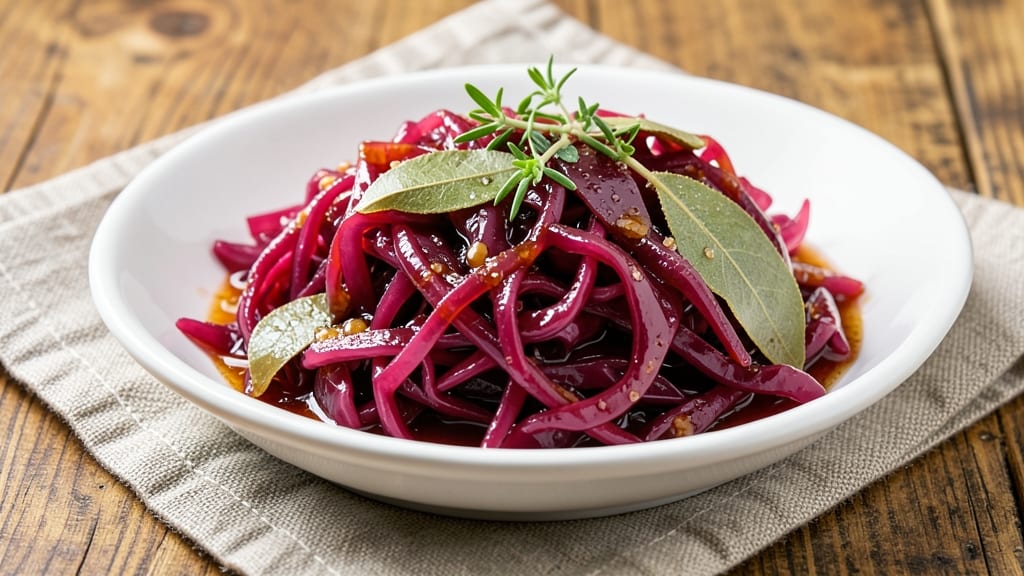
Transforming canned red cabbage into a sweet-tart side dish is one of those kitchen secrets that elevates simple meals into something special. This recipe takes just 15 minutes of active time and delivers a versatile side that pairs perfectly with everything from roasted meats to grilled fish.
The key lies in balancing sugar and vinegar to create that signature tangy-sweet flavor without overpowering the cabbage’s natural crunch.
What makes this recipe stand out is its foolproof technique—no complicated steps, just precise timing and the right balance of ingredients. We’ll use basic pantry staples like vinegar, sugar, and a touch of mustard to create a glaze that caramelizes beautifully while keeping the cabbage tender.
The result is a dish that’s restaurant-quality yet simple enough for any weeknight dinner.
By the end, you’ll have a glossy, flavorful side with just the right mix of sweetness and acidity, ready to complement your main course. The cabbage stays slightly crisp, while the glaze clings to each leaf, adding depth to every bite.
This isn’t just a side dish—it’s a game-changer for transforming ordinary meals into something memorable.
Serve it alongside roasted pork, grilled chicken, or even as a topping for hearty sandwiches. The versatility makes it a staple in your recipe rotation, whether you’re hosting a dinner party or just looking to add a little extra flavor to your plate.
Let’s get started—your taste buds will thank you.
Ingredients for canned red cabbage
Sweet-tart cabbage magic starts with these 10 pantry-friendly ingredients.
| Ingredient | Amount | Notes |
|---|---|---|
| Canned Red Cabbage 🥬 | 14 oz | Drained, with liquid reserved |
| White Vinegar 🍶 | ½ cup | White or apple cider |
| Granulated Sugar 🍚 | ½ cup | Light brown sugar for depth |
| Dijon Mustard 🍯 | 1 tbsp | High-quality, smooth texture |
| Fresh Thyme Leaves 🌿 | 1 tbsp | Dried works at half amount |
| Fresh Bay Leaves 🌿 | 2 whole | Removed before serving |
| Salt 🧂 | 1 tsp | Diamond Crystal preferred |
| Black Peppercorns 🌶️ | ½ tsp | Freshly cracked for aroma |
| Unsalted Butter 🧈 | 2 tbsp | Cold, for glossy finish |
| Fresh Parsley 🌿 | 2 tbsp | Chopped, for garnish |
The canned red cabbage is your shortcut to restaurant-quality flavor—just check the label for no added salt if you're watching sodium. Store-brand works fine, but Bon Appétit or Libby's brands have the best balance of sweetness and acidity. Fresh thyme and bay leaves are worth hunting down at Trader Joe's or your local farmers market—they make all the difference. If you can't find fresh thyme, dried works at half the amount, but I always recommend fresh for that bright aroma. The butter at the end? European-style, like Plugrá, melts beautifully for that glossy finish.
No Dijon mustard? Yellow mustard at double the amount gets you close, though it lacks depth. Short on vinegar? Balsamic vinegar works but adds a richer taste. The sugar can be swapped for honey or maple syrup—just reduce the vinegar by a tablespoon to balance. For a deeper flavor, add 1/2 teaspoon of smoked paprika or a pinch of cinnamon. If you're using the reserved cabbage liquid, strain it first—sometimes it's cloudy. The parsley is just for garnish, but I always keep a bunch on hand because it brightens everything.
This glaze keeps for 5 days in the fridge, but it tastes even better the next day as flavors meld. For make-ahead meals, prep it one day ahead—the cabbage soaks up the flavors overnight. If you're freezing, do it unmixed—just toss the drained cabbage with the dry ingredients (sugar, salt, pepper) in a freezer bag. When ready to serve, cook it fresh with the wet ingredients. The butter at the end should be added just before serving to keep it glossy.
Why You'll Love This Recipe
- Open Pantry Magic: I swear by this recipe when I’ve got nothing but a can of red cabbage and a few basics. No chopping, no peeling—just dump, stir, and simmer. The vinegar and sugar balance out that tangy cabbage in minutes, and honestly? It feels like a shortcut to something fancy.
- Sweet-Tangy Fix: That Dijon mustard and thyme? They turn this into something ridiculously good—bright, slightly sweet, with just enough bite to make it interesting. It’s the kind of flavor that lingers, like a little burst of sunshine in your mouth. (Yes, even on a Tuesday night.)
- Holiday Table Hero: Between us, this is my secret weapon for Thanksgiving, Christmas, or any potluck where you want to bring something impressive without stressing. It pairs perfectly with roasted meats or mashed potatoes, and the leftovers? They’re even better the next day.
- Budget Stretch: A single can of red cabbage stretches into multiple meals—no waste, just flavor. I’ve used it in sandwiches, salads, and even as a quick topping for burgers. It’s my go-to when I’m trying to feed the family without breaking the bank. (And yes, my daughter picks out the thyme leaves, but still asks for seconds.)
Step-by-step instructions for sweet-tart canned red cabbage
This bright, balanced side comes together faster than you'd think—just five simple steps separate you from restaurant-quality flavor.
Deglaze the Pot with Vinegar and Reserved Liquid
Start by draining the canned red cabbage, reserving the liquid in a measuring cup. You should have about 1 cup of this tangy liquid—it's the secret to balancing sweetness later. In a medium saucepan, combine the reserved liquid with the 0.5 cup white vinegar over medium heat. Bring to a gentle simmer for 3 minutes, letting the vinegar's sharpness mellow slightly while you prepare the other ingredients.
The vinegar here does more than just add acidity—it helps break down the cabbage's fibers during cooking, creating that signature tender yet textured bite. If your reserved liquid measures less than 1 cup, add a splash of water to maintain proper liquid-to-cabbage ratio. Keep the heat at a steady simmer; you want gentle evaporation, not rapid boiling that could make the cabbage mushy.
Build the Sweet-Savory Base with Sugar and Mustard
Add the 0.5 cup granulated sugar and 1 tablespoon Dijon mustard to the simmering vinegar mixture. Stir vigorously for 2 minutes until the sugar dissolves completely. The mustard will thicken the sauce slightly and add that subtle depth that makes this dish so versatile. Here's the thing—don't rush this step. You want the sugar to fully incorporate before adding the cabbage, or you'll end up with grainy pockets of sweetness.
While stirring, watch for the mixture to develop a glossy sheen—this indicates proper sugar integration. The mustard should create a faint ribbon effect when you run your spoon through it. This is your signal that the base is ready for the cabbage. I like to taste a small spoonful at this stage; it should be pleasantly sweet with just a hint of mustard's tang, not overwhelmingly sweet or bitter.
Cook the Cabbage with Aromatics Until Tender
Add the drained 14 oz canned red cabbage, 1 tablespoon fresh thyme leaves, 2 whole fresh bay leaves, 1 teaspoon salt, and 0.5 teaspoon freshly cracked black peppercorns to the saucepan. Stir gently to combine, then reduce heat to medium-low. Cover with a lid and let it cook for 15 minutes, stirring every 5 minutes to distribute the flavors evenly.
During this time, the cabbage will soften noticeably while retaining its shape. You're aiming for tender but still slightly crisp edges—this texture contrast is what makes this dish so satisfying. The thyme and bay leaves will infuse their aromatic oils into the cabbage, creating that complex herbal profile. After 15 minutes, check for doneness by piercing a piece with a fork; it should slide in easily but still offer slight resistance.
Finish with Butter for Gloss and Richness
Remove the saucepan from heat and stir in the 2 tablespoons cold unsalted butter. The butter should melt immediately, creating a glossy sheen that signals the dish is complete. This final step adds richness that balances the sweet-tart profile while making the cabbage irresistibly tender. Let the mixture sit off the heat for 2 minutes to allow the butter to fully incorporate and the flavors to meld.
Here's a pro tip: If you're serving this immediately, give it one final taste and adjust seasoning. You might need a pinch more salt to enhance the flavors after the butter's richness settles in. The cabbage should now have that perfect balance—sweet from the sugar, tangy from the vinegar, and rich from the butter. The texture should be tender yet still hold its shape when served.
Garnish and Serve Warm
Remove the 2 whole fresh bay leaves and transfer the cabbage to a serving dish. Sprinkle with 2 tablespoons chopped fresh parsley for a pop of color and freshness. The parsley not only looks beautiful but also adds a subtle brightness that cuts through the richness. Serve immediately while warm—this dish tastes best straight from the pot when all the flavors are at their peak.
This versatile side pairs beautifully with roasted meats, hearty sausages, or even as a topping for grilled sandwiches. The sweet-tart balance makes it equally at home with holiday feasts or casual weeknight dinners. For extra presentation, I like to mound it slightly in the center of the dish and garnish with an additional sprig of thyme if desired. The cabbage should be warm through, with those glossy edges that tell you it's been properly finished with butter.
Pro Tips For Making Canned Red Cabbage
- Drain and Rinse First: That canned brine is salty and clings like glue. Dump the cabbage into a colander, give it a quick cold-water rinse, and shake dry before mixing. You’ll taste the dish, not the preservatives.
- Warm the Vinegar: Cold vinegar hits like a punch to the flavors. Heat it to room temp (or even warm it slightly) before adding—it blends smoother and lets the sugar dissolve faster. Trust me, your taste buds will notice.
- Mustard Last, Not First: I learned this the hard way—adding Dijon early makes the cabbage taste bitter. Stir it in at the very end, right before serving, so it just coats the cabbage instead of cooking into it.
- Toast the Thyme: Skip the fresh thyme leaves straight from the jar. Lightly crush them between your fingers or toast them in a dry pan for 10 seconds—they’ll release their aroma and make the dish smell like a holiday table.
Regional styles of this recipe
German Braised Style
In Germany, canned red cabbage is often braised with apples, onions, and a splash of beer for depth. Start by sautéing 1 diced apple and ½ chopped onion in butter until soft, then add ½ cup apple cider and ½ cup dark beer (like Kölsch) to the cabbage mixture.
Simmer for 10 minutes to let the flavors meld. The apples add natural sweetness while the beer enhances the umami. Serve with bratwurst or roasted pork for an authentic taste of the Black Forest. 🍺
Southern U.S. Smoky Version
For a Southern twist, swap the vinegar for ½ cup apple cider vinegar and add 1 teaspoon smoked paprika and ½ teaspoon liquid smoke (like Alaskan Smokehouse) to the glaze. Cook the cabbage with 2 slices of bacon, crumbled, for extra richness.
The smoky notes pair perfectly with pulled pork or fried chicken. This version is a crowd-pleaser at BBQ cookouts. 🔥
Scandinavian Mustard Sauce
In Sweden and Norway, red cabbage is often served with a tangy mustard sauce. After cooking the cabbage, blend ½ cup sour cream, 1 tablespoon whole-grain mustard, and 1 teaspoon lemon juice until smooth.
Fold this into the cabbage just before serving. The creamy sauce balances the cabbage’s sharpness beautifully. Pair it with herring, smoked salmon, or roast beef for a Nordic-inspired meal. 🥬
French-Inspired Wine Reduction
For a French touch, replace the vinegar with ½ cup dry red wine (like Pinot Noir) and reduce it by half before adding the cabbage. Deglaze the pot with 1 tablespoon brandy for extra depth.
Finish with a sprinkle of fresh thyme and a drizzle of balsamic glaze before serving. This elegant version shines alongside duck confit or grilled lamb. 🍷
Caribbean Jerk-Inspired Twist
Add a tropical flair by tossing the cooked cabbage with 1 tablespoon jerk seasoning (like McCormick’s) and ½ teaspoon allspice. Finish with a squeeze of lime juice and chopped scallions.
The warm spices and citrus brighten the dish, making it a perfect side for grilled jerk chicken or fish tacos. Serve with a cooling mango salsa to balance the heat. 🌶️
Nutrition facts
Frequently asked questions
Can I use fresh red cabbage instead of canned?
Fresh red cabbage works but requires extra prep time. Shred 1 small head (about 1.5 lbs) and simmer in 1 cup water with 1 tbsp vinegar for 10 minutes before adding to the glaze. Fresh cabbage needs more cooking time—expect 20-25 minutes total to reach tender texture. The flavor will be slightly more vibrant but less sweet than canned.
How do I store leftovers?
Transfer leftovers to an airtight container and refrigerate for up to 5 days. The flavors actually improve overnight as the cabbage absorbs the glaze. Reheat gently in a saucepan with 1 tbsp water over medium-low heat for 3-4 minutes, stirring occasionally. Avoid microwaving—it makes the cabbage soggy.
What if my cabbage tastes too sweet?
Add 1 extra tablespoon of vinegar and simmer uncovered for 2-3 minutes to balance the sweetness. For a more complex flavor, stir in 1 teaspoon of lemon juice or a pinch of smoked paprika. If you prefer tartness, reduce the sugar to 0.3 cups next time. Taste as you go—the glaze should coat your spoon with a sweet-tart sheen, not cloying syrup.
Is this dish kid-friendly?
The sweet-tart balance makes it appealing to kids, especially if you reduce the vinegar slightly (0.3 cups) and add 1 extra tablespoon of sugar. Serve with mild proteins like chicken tenders or fish sticks. For picky eaters, mix the cabbage with 1 cup cooked rice or mashed potatoes to stretch it. The parsley garnish can be omitted if kids dislike strong flavors.
Can I make this vegan?
Yes! Simply replace the butter with 2 tbsp vegan butter or 2 tbsp olive oil, and use vegan Dijon mustard if needed. The recipe remains fully plant-based while keeping all the rich, glossy texture. For extra depth, add 1 tbsp soy sauce or 1 tsp miso paste to the glaze. It pairs beautifully with tofu, tempeh, or lentils.