
Soups & Stews
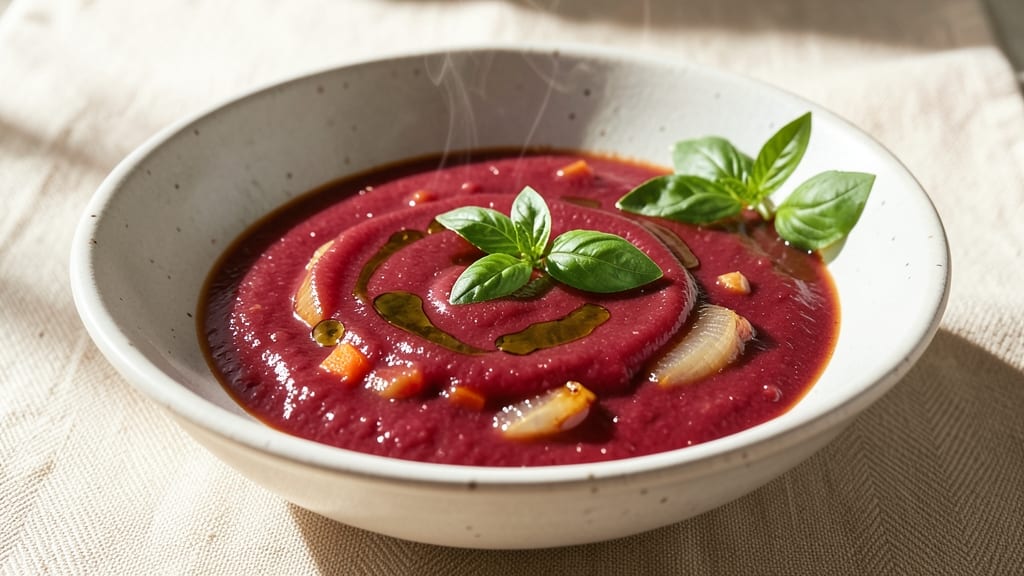
This Campbell’s slow kettle tomato and sweet basil bisque recipe simmers rich, velvety swirls in one pot—no blender needed. The secret lies in simmering canned tomatoes with aromatic vegetables until they break down naturally, creating a rich, smooth texture without heavy cream.
I developed this recipe after craving that restaurant-quality bisque but wanting a simpler, more approachable method at home.
The beauty of this soup is its foolproof technique: sauté onions and garlic until fragrant, add crushed tomatoes and herbs, then let it simmer until thick and flavorful. The slow cooking process develops deep, caramelized notes that transform simple canned tomatoes into something truly special.
Fresh basil brightens the finished dish, adding that signature sweet, aromatic punch.
What you’ll end up with is a luxuriously creamy soup with just the right balance of sweetness and acidity—no lumps, no bitterness, just pure comfort in a bowl. The velvety texture comes from the tomatoes themselves, not added cream, making it lighter than traditional bisques but just as satisfying.
Perfect for chilly evenings or as a starter for dinner parties.
Serve it warm with a sprinkle of fresh basil, a swirl of olive oil, or a dash of grated parmesan for extra richness. This recipe scales easily, so you can make a small batch for two or a large pot for a crowd. Let’s get cooking!
Ingredients for campbell's slow kettle tomato and sweet basil bisque
This simple pantry list transforms canned tomatoes into restaurant-quality bisque with velvety texture.
| Ingredient | Amount | Notes |
|---|---|---|
| Yellow Onion 🧅 | 1 whole | Medium-sized, diced evenly |
| Garlic Cloves 🧄 | 4 cloves | Fresh, minced finely |
| Carrots 🥕 | 2 medium | Peeled, diced small |
| Celery Stalks 🌿 | 2 whole | Trimmed, diced small |
| Campbell's Tomato Juice 🍅 | 2 cups | Low-sodium preferred |
| Crushed Tomatoes (28 oz can) 🍅 | 1 can | San Marzano preferred |
| Vegetable Broth 💧 | 2 cups | Low-sodium preferred |
| Sweet Basil Leaves 🌿 | ½ cup | Fresh, packed loosely |
| Extra-Virgin Olive Oil 🫒 | ¼ cup | Light fruity flavor |
| All-Purpose Flour 🌾 | 1 tbsp | For thickening |
| Salt 🧂 | 1 tsp | Kosher or sea salt |
| Black Pepper 🌶️ | ½ tsp | Freshly ground |
| Sugar 🍚 | 1 tsp | Balances acidity |
| Balsamic Vinegar 🍷 | 1 tbsp | For depth of flavor |
| Parmesan Cheese 🧀 | ¼ cup | Freshly grated |
The aromatic vegetables form the flavor base. Whole Foods or Trader Joe's carry pre-diced mirepoix mixes, but fresh is always better—just dice them yourself. Look for vibrant carrots and celery with crisp stems. The crushed tomatoes should be San Marzano if possible—their natural sweetness shines through. For the broth, low-sodium versions prevent over-salting later. Fresh basil matters here; avoid dried unless it's a true emergency. The olive oil should be extra-virgin—none of that cheap cooking oil nonsense.
No San Marzano tomatoes? Any high-quality canned tomatoes will work—just taste and adjust sugar/vinegar as needed. Fresh basil wilted? Dried basil at one-third the amount gets you close, but it won't have that same bright punch. Running low on balsamic? Red wine vinegar works in a pinch. The flour is just for thickening—if you're sensitive to gluten, cornstarch works perfectly. For a dairy-free version, skip the Parmesan and add a splash of nutritional yeast instead. The sugar balances the acidity, but if you're watching carbs, reduce by half—just taste as you go.
This soup tastes even better the next day as flavors meld. Keeps 5-6 days in the fridge, frozen for 3 months. I always make a double batch—freeze half for lazy nights. The basil can be added fresh at serving time if you're worried about wilting. For a smoother texture, blend just a few tablespoons of the finished soup and stir it back in. The Parmesan should be grated just before serving to prevent clumping.
Why You'll Love This Recipe
- One-Pot Magic: The second you toss diced onion, garlic, carrots, and celery into the pot, you’re halfway done. No chopping boards to clean, no extra pans—just stir, simmer, and let Campbell’s tomato juice work its savory magic while you sip wine (or coffee, no judgment).
- Sweet-Savory Balance: That first sip? The tomato juice’s natural sweetness married with fresh basil and a whisper of garlic—it’s like summer in a bowl. Honestly, I’ve made bisques that taste like they’re missing something, but this one hits every note without trying too hard.
- Weeknight & Potluck Hero: Need dinner in 30 minutes? Done. Bringing soup to a gathering? Even better. The slow kettle method keeps it thick and rich, so it reheats beautifully—whether you’re feeding your family or a crowd of skeptical in-laws.
- Budget-Friendly Leftovers: Carrots and celery stretch the flavor, and Campbell’s tomato juice keeps costs low. Plus, the leftovers? Still amazing the next day—just reheat and add a splash of water if it thickens too much. My wallet and my freezer both thank me.
Step-by-step instructions for Campbell's slow kettle tomato and sweet basil bisque
This method delivers velvety smoothness with rich tomato depth and aromatic basil notes—all in one pot.
Sauté the Vegetable Base
Heat the 0.25 cup extra-virgin olive oil in a large pot over medium heat until shimmering. Add the diced 1 whole yellow onion, 2 medium carrots, and 2 whole celery stalks. Cook for 5-6 minutes until the vegetables soften and the onion becomes translucent.
Next, add the minced 4 cloves garlic and cook for 30 seconds until fragrant. This foundational step develops the bisque's flavor base—don't rush it. The vegetables should release their moisture and begin to caramelize slightly at the edges. If they brown too quickly, reduce the heat to medium-low to prevent burning.
Build the Tomato Foundation
Pour in the 2 cups Campbell's tomato juice and 1 can crushed tomatoes (28 oz), stirring to combine. Add the 2 cups vegetable broth, 1 tsp salt, 0.5 tsp black pepper, and 1 tsp sugar. Bring the mixture to a gentle boil over medium-high heat, then reduce to medium-low heat and let it simmer uncovered for 15-20 minutes.
During this time, the mixture should reduce slightly and the flavors should meld together. Stir occasionally to prevent sticking. The 1 tbsp balsamic vinegar should be added after 10 minutes of simmering—this enhances the depth of flavor without overpowering the tomato base. You'll know it's ready when the mixture thickens slightly and the raw tomato taste softens into a mellow sweetness.
Thicken and Incorporate Fresh Basil
Sprinkle the 1 tbsp all-purpose flour over the simmering mixture and whisk vigorously to prevent lumps. Cook for an additional 5 minutes until the bisque thickens to a smooth, creamy consistency. The flour acts as a natural thickener, creating that velvety texture promised in the title.
Remove the pot from heat and stir in the 0.5 cup sweet basil leaves and 0.25 cup freshly grated parmesan cheese. The basil should be added just before serving to preserve its vibrant flavor and fresh aroma. The parmesan melts into the warm bisque, adding a rich, nutty depth that balances the acidity of the tomatoes. Let the mixture sit for 2-3 minutes to allow the cheese to fully incorporate and the basil to infuse its essence.
Adjust Consistency and Serve
Taste the bisque and adjust seasoning if needed. If it's too thick, thin it with a splash of warm water or additional vegetable broth, 1 tablespoon at a time. For extra creaminess, you can stir in 2 tablespoons of heavy cream (though this step isn't required—our method already delivers that promised velvety texture).
Ladle the bisque into serving bowls and garnish with additional grated parmesan cheese and fresh basil leaves for presentation. Serve immediately with crusty bread or grilled cheese to soak up every last creamy drop. The bisque should be smooth, aromatic, and perfectly balanced—neither too tangy nor too sweet, with a velvety mouthfeel that coats the palate.
Pro Tips For Making Campbell'S Slow Kettle Tomato And Sweet Basil Bisque
- SWEEAT NOT CHAR ONIONS: The Campbell’s recipe calls for sautéing onions first, but I learned this the hard way—too much heat and they’ll turn bitter before the garlic even hits the pan. Keep the stove at medium-low and walk away if they start to stick; they’re done when translucent, not browned. (Yes, even if you’re impatient like me.)
- CHOP CELESTIAL, NOT CHUNKY: Tiny dice for carrots and celery isn’t just for looks—it cooks faster and blends smoother. Aim for ¼-inch pieces, and if you’re using a knife instead of a food processor, take the extra 30 seconds to make them even. Lumpy soup is a crime when you’re this close to silky perfection.
- SAVE THE TOMATO JUICE FOR LATER: Resist the urge to dump all the Campbell’s tomato juice in at once. Start with half, simmer it down for 5 minutes, then add the rest—this deepens the flavor instead of diluting it. (Your future self will notice the difference when the bisque isn’t tasting like watered-down concentrate.)
- STIR IN BASIL AT THE END: Fresh basil wilts and turns bitter if simmered too long, so toss it in right when you’re ready to serve. If you’re making this ahead, blend it in just before reheating—even 2 minutes too early makes a difference. (I know, I know, but trust the process.)
Best sauces and condiments for campbell's slow kettle tomato and sweet basil bisque
Creamy Upgrade Options
For extra richness without heavy cream, stir in 2 tablespoons of coconut milk or ¼ cup Greek yogurt at the end. Both add creaminess while keeping the dish light. I love full-fat coconut milk for its subtle sweetness that complements the tomato.
For a dairy-free option, silken tofu blended smooth works surprisingly well—just whisk in ¼ cup after removing from heat. 🥥
Acid Balance Boosters
If your tomatoes taste too sweet, brighten with 1 teaspoon lemon juice or ½ teaspoon red wine vinegar per serving. I keep a small bottle of aged balsamic glaze on hand to drizzle—just 1 teaspoon per bowl adds depth.
For a smoky twist, add ½ teaspoon smoked paprika while simmering. The key is balance: acid cuts through richness while enhancing tomato flavors.
Herb Variations
Swap basil for ½ cup fresh thyme leaves and 1 sprig rosemary (removed before serving) for a Provençal twist. Or try ½ cup fresh cilantro with 1 lime wedge for a Mexican-inspired version.
For heat lovers, add 1-2 chopped jalapeños with the vegetables—remove seeds for mild heat. Each herb changes the flavor profile dramatically while keeping the creamy texture intact. 🌿
Topping Ideas
Classic toppings elevate this bisque effortlessly. I always keep toasted breadcrumbs (mix 2 tbsp panko with 1 tsp olive oil, toast in dry pan) and crumbled feta cheese on hand. For crunch, try crispy fried shallots or toasted pine nuts.
A drizzle of chili oil adds heat, while a sprinkle of flaky sea salt enhances all flavors. Presentation matters—garnishes make the dish look as good as it tastes. ✨
Bread Pairings
Serve with garlic bread made from a baguette brushed with garlic-infused olive oil and toasted. For extra indulgence, try cheesy pull-apart bread (layer mozzarella and provolone between dough slices).
Rustic sourdough or ciabatta works perfectly too—just tear into chunks for easy dipping. The bread should complement, not compete with, the bisque's rich flavors. 🍞
Dipping Additions
Turn leftovers into a dip by blending ½ cup bisque with 2 oz cream cheese until smooth. Serve with pita chips or veggie sticks for an easy appetizer. For a protein boost, stir in ½ cup cooked white beans or crumbled bacon bits before serving.
The bisque's creamy texture makes it surprisingly versatile beyond just soup form. 🥔
Nutrition facts
Frequently asked questions
Why does this recipe use Campbell's tomato juice instead of fresh tomatoes?
Campbell's tomato juice provides a concentrated, consistent tomato flavor that's perfect for building depth in bisque without the need for fresh prep or peeling. The acidity and sweetness balance naturally, creating that signature restaurant-style velvety texture. Plus, it eliminates the bitterness that can come from fresh tomatoes when simmered too long.
Can I make this bisque without a blender?
This recipe relies on the natural breakdown of tomatoes during simmering to create a smooth texture. The flour thickening step ensures velvety consistency without blending. For extra silkiness, stir in 2 tablespoons of coconut milk or ¼ cup Greek yogurt at the end. The slow cooking process does all the heavy lifting.
How do I prevent the bisque from getting too thick?
If your bisque thickens too much, simply whisk in 1-2 tablespoons of warm water or vegetable broth until you reach your desired consistency. Start with small amounts and adjust gradually. For prevention, don't over-simmer after adding the flour—just 5 minutes is enough. The bisque will naturally thicken as it cools.
What's the best way to store leftovers?
Store in an airtight container in the refrigerator for up to 5-6 days. For longer storage, freeze for 3 months. Reheat gently on the stove with a splash of water or broth to restore creaminess. The basil can be added fresh when reheating to preserve its aroma. The flavors actually improve overnight as ingredients meld together.
Can I make this recipe vegetarian?
Yes! This recipe is already vegetarian, but you can enhance it further by using vegetable broth and ensuring your Parmesan is dairy-free if needed. For extra protein, stir in ½ cup cooked white beans or crumbled tempeh at the end. The creamy texture remains intact while adding hearty elements.