
Main Courses
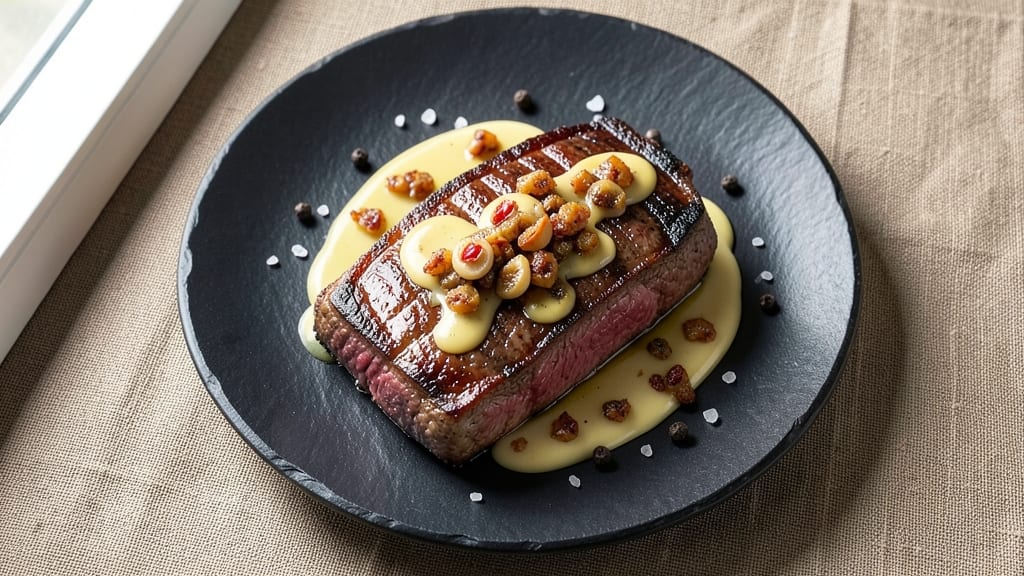
Mastering a perfectly cooked beef loin top sirloin steak (boneless) transforms an ordinary dinner into a restaurant-worthy experience. The reverse-sear method ensures a juicy interior with a caramelized crust that locks in every flavor.
I developed this technique after years of testing—each step is critical for achieving that ideal balance between tenderness and depth. The secret lies in precise temperature control and timing, which we'll cover in detail.
This recipe starts with a dry-brine that enhances the steak's natural flavor, followed by a low-and-slow oven cook to bring the center to temperature evenly. Once removed, a quick sear in a screaming-hot cast-iron pan creates that coveted crust without overcooking the interior.
The result? A steak that's tender throughout with a rich, mahogany crust that practically melts in your mouth. For best results, we'll use a meat thermometer to ensure accuracy—no guessing required.
Pair your steak with classic sides like garlic mashed potatoes or a fresh chimichurri sauce to complement its robust flavors. The reverse-sear method works equally well for medium-rare or medium doneness, giving you control over the perfect bite.
Whether you're cooking for a special occasion or treating yourself to a weeknight upgrade, this technique delivers professional-quality results every time. Let's get started on creating your steakhouse-worthy meal.
One of the keys to success is proper resting—allowing the steak to rest for 5-10 minutes after cooking ensures all the juices redistribute, keeping each bite moist and flavorful.
We'll also cover how to choose the right cut and prepare it properly, so you can focus on achieving that perfect sear. This method minimizes stress while maximizing flavor, making it ideal for home cooks who want restaurant-quality outcomes without the complexity.
Ingredients for beef loin top sirloin steak boneless
Four ingredients transform ordinary beef into steakhouse perfection—juicy, caramelized crusts guaranteed.
| Ingredient | Amount | Notes |
|---|---|---|
| Beef Loin Top Sirloin Steak (Boneless) 🥩 | 2 lb | Center-cut, 1-1.5 inches thick |
| Diamond Crystal Kosher Salt 🧂 | 2 tbsp | For dry-brine, coarse grain |
| Freshly Ground Black Pepper 🌶️ | 1 tbsp | Cracked over steak surface |
| Extra-Virgin Olive Oil 🫒 | 2 tbsp | High smoke point, for searing |
| Unsalted Butter 🧈 | 4 tbsp | Cold, cut into cubes |
| Garlic Cloves 🧄 | 4 cloves | Smashed, for butter baste |
| Fresh Rosemary 🌿 | 2 sprigs | Whole sprigs, for aroma |
| Fresh Thyme 🌿 | 2 sprigs | Whole sprigs, for aroma |
| Cast-Iron Skillet 🔥 | 1 whole | Heavy, preheated to 500°F |
| Meat Thermometer 🌡️ | 1 whole | Instant-read, for accuracy |
| Heavy-Duty Aluminum Foil 📄 | 1 sheet | For tenting during rest |
| Baking Sheet 🍳 | 1 whole | For even oven cooking |
The beef loin top sirloin is your star—center-cut, 1-1.5 inches thick for even cooking. Butcher shops often carry this cut pre-trimmed, but if buying whole, request it boneless and ask for the thickest portion available. The USDA Choice grade or higher ensures marbling that melts into flavor during cooking. I always grab mine from Whole Foods or my local Dartmouth Farms butcher counter—they age the beef for 21 days, which makes all the difference. Pat it dry with paper towels before seasoning; moisture is the enemy of that perfect crust.
No kosher salt? Diamond Crystal is non-negotiable for brining, but if you've only got table salt, cut the amount by half. Short on fresh herbs? Dried rosemary and thyme at one-third the amount work in a pinch, but fresh is absolutely essential for that restaurant-quality aroma. The butter baste is where magic happens—use unsalted so you control the seasoning. For the garlic, roasted cloves add a sweet depth, but raw smashed cloves work perfectly. And if you don't have a cast-iron skillet? Heavy stainless steel works too, just preheat it longer to reach that screaming-hot temperature.
This steak is best cooked day-of, but you can prep the dry-brine up to 24 hours ahead—just store it uncovered on a wire rack in the fridge. The reverse-sear method means it reheats beautifully—5 minutes in a 350°F oven restores that perfect medium-rare interior. For leftovers (though there shouldn't be any!), slice against the grain and serve on toasted brioche with a sprinkle of flaky salt. The crust becomes even more intense when reheated, so plan accordingly—this is the kind of recipe that disappears faster than you can say 'juicy interior'
Why You'll Love This Recipe
- Pan-Fried in Minutes: The steak hits the hot cast iron with olive oil and butter—no fancy searing skills needed. I swear, the butter bastes itself while you sip your first glass of wine of the night.
- Salt-Crusted Magic: Diamond Crystal kosher salt creates that perfect crust without overpowering the steak’s natural richness. Between us, the first bite with that caramelized edge is what makes this recipe worth repeating.
- Weeknight to Dinner Party: Same five ingredients, different occasions. Toss it on the grill for summer BBQs, or sear it in the kitchen when your in-laws drop by. (Yes, even on a Tuesday night.)
- Budget-Friendly Luxury: Top sirloin delivers restaurant-quality flavor for less than half the price. Leftovers? Slice them thin for tacos the next day—no one will guess they’re not fresh.
Step-by-step instructions for beef loin top sirloin steak boneless recipe
This reverse-sear method guarantees a perfectly juicy center with an incredible caramelized crust every time.
Dry-Brine the Steak for Maximum Flavor and Juiciness
Remove the beef loin top sirloin steak from the refrigerator and pat it completely dry with paper towels—this is absolutely critical for that perfect crust. In a small bowl, combine the 2 tablespoons of diamond crystal kosher salt and 1 tablespoon of freshly ground black pepper. Rub this mixture all over the steak, pressing firmly so the seasoning penetrates the surface. Place the steak on the baking sheet, seasoned-side up, and refrigerate uncovered for at least 4 hours or up to 24 hours. This dry-brine process ensures deep flavor penetration and helps create that coveted caramelized crust later.
I like to let it sit uncovered because any moisture on the surface will prevent proper browning. The longer it brines, the more intense the flavor becomes, but even 4 hours makes a noticeable difference. Just don't skip this step—it's what transforms good steak into exceptional steak.
Low-Temperature Roast to Perfect Doneness
Preheat your oven to 250°F and let it fully stabilize. Remove the steak from the refrigerator and let it sit at room temperature for 30 minutes before cooking—this ensures even cooking throughout. Place the steak on the baking sheet and roast for 45-60 minutes, depending on thickness, or until the internal temperature reaches 115°F on the meat thermometer. The steak should still be bright red in the center with a slight resistance when pressed—this is the magic of the reverse-sear method.
I check the temperature every 10 minutes after 30 minutes in the oven. The low temperature ensures the steak cooks evenly without developing a crust, preserving all the juices in the center. This is where you build that incredible foundation for the final sear.
Prepare the Herb Butter Baste
While the steak roasts, prepare the herb butter baste. In a small bowl, combine the 4 tablespoons of cold unsalted butter, 4 smashed garlic cloves, 2 sprigs of fresh rosemary, and 2 sprigs of fresh thyme. This mixture will create an incredible flavor profile that complements the steak perfectly. Keep this mixture cold until you're ready to use it.
The cold butter is essential here—it prevents the herbs from burning while adding a rich, aromatic layer to the steak. I like to gently press the herbs into the butter to release their oils, which will infuse into the steak during the final searing step. This is where simple ingredients become extraordinary.
Create the Perfect Crust with High-Heat Searing
Remove the steak from the oven and let it rest for 5 minutes on a clean cutting board. Heat the cast-iron skillet over high heat until it's screaming hot—you should see a thin layer of steam when you sprinkle a few drops of water into the pan. Add the 2 tablespoons of extra-virgin olive oil and let it get hot but not smoking.
Place the steak in the skillet and sear for 2-3 minutes per side, pressing down gently with a spatula during the first minute to ensure even contact with the pan. This creates that beautiful crust we're after. In the last minute of searing, add half of the herb butter mixture to the pan and baste the steak with the melted butter, letting it pool on top. Repeat on the other side. The butter should bubble and sizzle—this is when all the magic happens.
Rest and Serve for Maximum Juiciness
Transfer the steak to a warm plate, tent loosely with the heavy-duty aluminum foil, and let it rest for 10-15 minutes. This resting period is absolutely crucial—it allows the juices to redistribute throughout the meat, ensuring each bite is as juicy as the first. During this time, you can make a quick pan sauce by deglazing the skillet with a splash of water and scraping up all those delicious browned bits.
Slice the steak against the grain into ½-inch thick pieces and serve immediately with the herb butter baste drizzled over the top. Each piece should be perfectly pink in the center with a deep caramelized crust that practically sings with flavor. The reverse-sear method delivers restaurant-quality results in your own kitchen, every single time.
Pro Tips For Making Beef Loin Top Sirloin Steak Boneless
- Use a Cast-Iron Skillet: Top sirloin doesn’t need fancy gear—just a heavy pan that holds heat. I learned this the hard way with nonstick; the steak stuck and lost its crust. Cast iron sears perfectly and keeps temps steady. (Bonus: It’s already seasoned for next time.)
- Salt Before Searing: Don’t wait until the end—pat the steak dry, then season generously with kosher salt 40 minutes ahead. This lets the salt penetrate deeper, and the crust forms better when you sear. (Yes, even if you’re impatient like me.)
- Watch the Butter Timing: Add the cold butter after the steak has browned, not before. Tossing it in too early makes the pan greasy and lowers the heat. Let the steak get that golden crust first, then baste with butter and herbs for flavor. (Your future self will thank you.)
- Rest Under Foil: Skip the wire rack—cover the steak with foil and let it rest for 5–10 minutes. This traps heat and keeps it juicy while you finish sides. I used to rush this, and the steak always ended up dry. (Does it look weird? Yes. Does it work? Every single time.)
Wine and beer pairings for these flavors
Bold Red Wine Pairings
The rich, beefy flavors of your perfectly seared top sirloin demand a bold red wine with enough structure to stand up to the meat's intensity. I always reach for a Cabernet Sauvignon from Napa Valley—its dark fruit notes and firm tannins complement the steak's caramelized crust beautifully.
A Malbec from Argentina offers a smoother, fruit-forward alternative with velvety texture that enhances the herb butter baste. 🍷
Medium-Bodied Whites
For those who prefer white wine, a Chardonnay with noticeable oak aging provides the right balance. Look for one from California's Sonoma Coast—its citrus and mineral notes cut through the richness while enhancing the rosemary and thyme in the butter.
A Viognier from Condrieu adds floral complexity that pairs surprisingly well with the steak's savory profile.
Craft Beer Options
If you're serving beer, opt for a Belgian Dubbel like Westmalle's 8—its caramel malt sweetness and subtle spice notes create an unexpected but delightful contrast. For a lighter option, a German Helles Lager provides crisp cleanliness that refreshes your palate between rich bites.
I've also found that a smoked porter adds an intriguing smoky depth that mirrors the steak's crust. 🍺
Regional Wine Recommendations
For a French bistro experience, pair with a Bordeaux blend—its earthy undertones and structured tannins mirror the steak's depth. Italian lovers should try a Barolo, whose Nebbiolo grapes deliver intense flavors that stand up to the herb butter.
Each of these wines brings something special to the table, elevating your meal from home-cooked to restaurant-worthy.
Non-Alcoholic Alternatives
Don't overlook non-alcoholic options! A sparkling grape juice like Martinelli's with a splash of lime mimics wine's acidity beautifully. For something more substantial, try a hibiscus iced tea with a hint of honey—its tartness cleanses the palate between bites.
Even a well-chilled ginger beer with a rosemary sprig adds aromatic complexity without alcohol.
Nutrition facts
Frequently asked questions
What's the best thickness for a boneless top sirloin steak?
Aim for 1-1.5 inches thick—this thickness cooks evenly with the reverse-sear method while developing that perfect crust. Thinner cuts (½ inch) will overcook too quickly, while thicker cuts (>2 inches) may not reach temperature evenly in the oven stage.
Can I use this recipe for medium or well-done steaks?
The reverse-sear method works best for medium-rare to medium doneness. For well-done, adjust the oven temperature to 275°F and cook until 140°F internal temp, but expect a drier result. Medium-rare (130-135°F) yields the most tender, juicy texture—this is the ideal target.
How do I fix a steak that's overcooked?
Unfortunately, overcooked steak can't be fully revived, but you can salvage it! Slice thinly against the grain, then quickly sear in butter with garlic and herbs to add moisture and flavor. Serve with rich sauces like chimichurri or red wine reduction to mask dryness. Prevention is key—always use a meat thermometer!
What's the difference between top sirloin and top loin?
Top sirloin comes from the rear portion of the loin (near the hip), while top loin (or strip steak) is from the front section. Top sirloin has slightly more connective tissue, making it more flavorful but slightly tougher—this recipe's low-and-slow method breaks down those fibers beautifully. For tenderness, always choose center-cut portions.
Can I grill this steak instead of using the oven?
For grilling, start by bringing the steak to room temperature, then grill over indirect heat at 250°F until internal temp reaches 115°F (about 30-40 minutes). Finish with a direct-flame sear over high heat for 2-3 minutes per side. Use the same herb butter baste technique for that restaurant-quality finish.