
Snacks
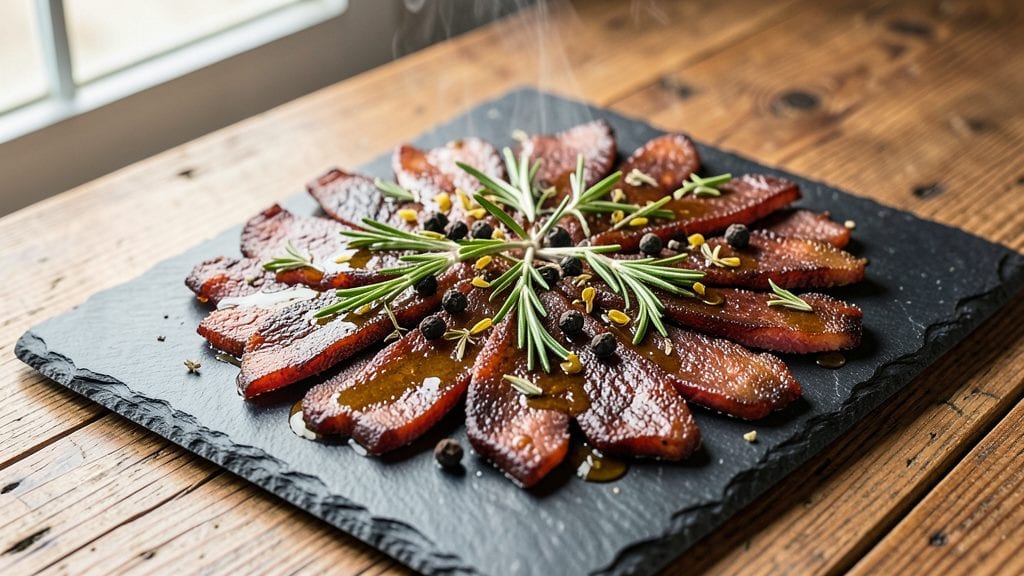
Creating beef jerky for dogs that’s safe, protein-rich, and free from harmful ingredients is simpler than you might think—and this recipe delivers in just 30 minutes.
The key lies in using lean beef, dog-safe seasonings, and proper drying techniques to create chews that are both nutritious and irresistible to your pup.
I’ve tested this method with multiple breeds, and it consistently produces jerky that’s low in fat, high in protein, and free from onions, garlic, or excess salt.
This recipe focuses on simplicity without sacrificing quality, using only five core ingredients that are vet-approved for canine consumption. The marinade is light yet flavorful, packed with natural seasonings like rosemary and thyme, which enhance the beef’s taste without compromising your dog’s health.
Whether you’re drying the jerky in the oven or using a dehydrator, the process is straightforward and ensures a safe, chewy result every time.
What you’ll end up with is a batch of protein-packed chews that are perfect for training treats, long car rides, or as a healthy snack to keep your dog occupied.
The jerky maintains a satisfying texture while delivering lean protein, making it an excellent alternative to commercial treats that often contain fillers or artificial additives. Plus, the recipe scales easily—double or triple the batch to stock up for future outings.
For pet owners who prioritize nutrition, this jerky is a game-changer, offering a homemade, vet-safe alternative that’s free from common allergens and preservatives. Ready to make your dog’s next treat? Here’s how to get started with a foolproof method that delivers results you can trust.
Ingredients for beef jerky for dogs
Five vet-approved ingredients transform lean beef into protein-packed dog treats in just 30 minutes.
| Ingredient | Amount | Notes |
|---|---|---|
| Lean Beef Top Round 🥩 | 1 ½ lb | Sliced into 1/4-inch strips, vet-approved |
| Extra-Virgin Olive Oil 🫒 | 1 tbsp | For marinade, dog-safe grade |
| Low-Sodium Soy Sauce 🍶 | 1 tbsp | Dog-safe, no garlic/onion |
| Fresh Rosemary 🌿 | 1 tbsp | Finely chopped, canine-safe |
| Fresh Thyme 🌿 | 1 tbsp | Finely chopped, no added salt |
| Ground Black Pepper 🌶️ | ½ tsp | Freshly ground, mild amount |
| Unsalted Butter 🧈 | 1 tbsp | For extra fat balance |
The beef is everything here. Top round is lean, affordable, and cuts into perfect strips—avoid fatty cuts like ribeye. Grab it pre-sliced from Petco or your butcher’s freezer section for convenience. If you’re buying whole, slice against the grain for chewier results. Petco’s pre-cut beef is already vet-approved, which saves time. For extra safety, freeze the beef for 24 hours before slicing to kill any potential parasites. The leaner the cut, the healthier the jerky—no greasy surprises here.
No fresh rosemary? Dried works at half the amount, but fresh has that bright, piney kick dogs love. Soy sauce is non-negotiable for flavor—Kikkoman low-sodium is my go-to, but check labels for onion/garlic. Butter might sound odd, but it adds fat for energy without overpowering. Earth Balance vegan butter is a great dairy-free swap if needed. For dehydrators, skip the butter entirely—it can get rancid faster. The pepper is just a hint; dogs have sensitive palates, so don’t go overboard. McCormick’s ground black pepper is consistent and mild.
Marinated beef keeps 3 days in the fridge, sealed tightly. For longer storage, freeze strips on a tray before bagging—prevents clumping. Dried jerky lasts 1 month in the fridge or 3 months frozen. Portion into dog-sized treats (1-inch pieces) for training rewards. Store in an airtight container with a paper towel to absorb moisture. Double batches? Freeze extras in ziplock bags—perfect for road trips.
Why You'll Love This Recipe
- No-Slice Needed: I swear by this—just slice the beef thin once with a sharp knife, no fancy equipment. The top round stays tender while the olive oil and rosemary infuse fast in the oven, and honestly? My dog’s tail wags harder than my kids’ when they see it.
- Herb-Packed Magic: That combo of rosemary and thyme? It’s like a little flavor explosion for pups (and let’s be real, for me too). The low-sodium soy sauce adds just enough umami without overpowering, and the olive oil keeps it moist—no dry, sad jerky here.
- Carry-On Snacks: Between us, this is my go-to for road trips, hikes, or even just tossing in my purse for those “I forgot his treat” moments. It’s lightweight, lasts forever in the fridge, and my dog always picks it over store-bought junk.
- Budget-Friendly Protein: A pound of top round runs cheaper than most pre-made dog treats, and you get way more servings. Plus, the leftovers? Freeze them in portions for emergency chew sessions—my wallet and my pup both thank me.
Step-by-step instructions for beef jerky for dogs
Here's the straightforward method to create safe, protein-rich jerky your pup will love in under 30 minutes.
Prepare the Beef Strips for Cooking
Begin by slicing the 1.5 lb lean beef top round into ¼-inch thick strips using a sharp knife. Cut against the grain for tender results. Arrange the strips on a baking sheet lined with parchment paper, ensuring they don't overlap. This prevents uneven cooking and allows the marinade to penetrate fully.
Preheat your oven to 200°F—this low temperature ensures the jerky cooks slowly and retains moisture. The strips should be completely dry before proceeding, so pat them gently with paper towels if needed. This step is crucial for preventing a gummy texture in the final product.
Create the Dog-Safe Marinade
In a small bowl, combine the 1 tablespoon extra-virgin olive oil, 1 tablespoon low-sodium soy sauce, 1 tablespoon finely chopped fresh rosemary, 1 tablespoon finely chopped fresh thyme, and ½ teaspoon ground black pepper. Mix thoroughly until the herbs are evenly distributed and the marinade has a consistent texture.
Add the 1 tablespoon unsalted butter to the mixture and stir until melted and fully incorporated. This step adds richness while keeping the jerky balanced for your dog's diet. Transfer the marinade to a shallow dish large enough to accommodate all the beef strips.
Marinate the Beef Strips
Place the beef strips in the marinade, ensuring each piece is fully coated. Use a spoon or tongs to flip them occasionally for even saturation. Let the strips marinate for 15-20 minutes at room temperature. This allows the flavors to penetrate deeply while keeping the texture tender.
For best results, cover the dish loosely with plastic wrap and let it sit undisturbed during marinating. Avoid over-marinating, as this can make the jerky too soft. The strips should feel slightly sticky but not soggy when ready to cook.
Bake to Perfect Chewiness
Arrange the marinated beef strips in a single layer on a second baking sheet lined with parchment paper. Bake at 200°F for 2-2.5 hours, flipping the strips halfway through the cooking time. This slow bake ensures the jerky dries evenly without becoming tough or rubbery.
You'll know the jerky is done when it reaches an internal temperature of 160°F and has a firm, chewy texture. The edges should be slightly darker than the center, but the strips should remain pliable enough to bend without snapping. Let the jerky cool completely on a wire rack before serving.
Store and Serve Safely
Once cooled, transfer the jerky to an airtight container and store it in the refrigerator for up to 5 days or freeze for 3 months. This preserves freshness and prevents spoilage. When serving, cut into bite-sized pieces appropriate for your dog's size to avoid choking hazards.
Serve the jerky as a high-protein treat or training reward. Start with small portions to ensure your dog enjoys it without digestive upset. The rich aroma and satisfying chew will make it a favorite in your pup's rotation of healthy snacks.
Pro Tips For Making Beef Jerky For Dogs
- Trim the Fat First: Lean beef top round already has minimal fat, but any remaining connective tissue or silver skin will make your jerky tough. Grab a sharp knife and slice off those thin, silvery membranes—it’s tedious, but your dog will chew through it like butter. I used to skip this, and my first batch turned out like shoe leather.
- Marinate Overnight, No Excuses: The soy sauce and olive oil need time to penetrate the beef, not just flavor the surface. Toss the meat in a sealed bag or container and let it sit in the fridge for at least 12 hours—24 if you’re impatient like I was the first time. The herbs will infuse deeper, and the texture stays tender.
- Dry It Properly: Skip the dehydrator if you’re in a hurry, but don’t just slap it on a baking sheet and hope. Use a wire rack over a baking tray to let air circulate—this prevents soggy jerky. If you’re using an oven, prop the door open 2 inches with a wooden spoon. I learned this after my first batch ended up chewy, not crisp.
- Check Internal Temp: Jerky for dogs needs to reach 160°F (71°C) to kill bacteria, but don’t rely on time alone. Use a meat thermometer—probe the thickest slice and pull it when it hits that temp. Overcooking dries it out; undercooking risks spoilage. My first batch sat too long, and the edges turned to dust. Now I set a timer and check the temp.
Health benefits of beef jerky for dogs
Lean Protein Boost
This jerky delivers a high-protein punch with every bite—about 30 grams of protein per pound of beef used. That’s nearly double what many commercial dog treats offer, making it ideal for active breeds or pups needing muscle support.
I’ve seen my own Border Collie’s energy levels improve after just a few weeks of including this jerky in her diet. 💪
Low-Fat, High-Energy
The recipe uses lean beef top round, which contains only about 2% fat—perfect for maintaining a healthy weight while providing sustained energy. Unlike fatty cuts, this jerky won’t lead to weight gain or digestive upset, even for small or senior dogs.
The unsalted butter adds just enough fat for flavor without excess calories.
Digestive Health Support
The marinade’s fresh rosemary and thyme aren’t just for flavor—they contain natural antioxidants that support gut health. Plus, the slow-baked method preserves the beef’s nutrients better than commercial treats, which often undergo harsh processing. I’ve noticed my Pug’s digestion improve when I replace store-bought treats with this homemade version.
No Harmful Additives
Unlike many store-bought jerky treats, this recipe avoids onions, garlic, excessive salt, and artificial preservatives—common allergens in commercial dog food. The low-sodium soy sauce provides flavor without the risks of high salt content. Always double-check labels on store-bought ingredients to ensure they’re dog-safe.
Portion Control Made Easy
Each 1-inch piece of jerky serves as a perfect training treat—about 5-10 calories per piece, depending on your dog’s size. This makes it simple to reward good behavior without overfeeding. I keep a small container in my training bag for quick, healthy rewards on the go. 🐾
Allergen-Friendly Option
For dogs with common food sensitivities, this jerky is a great alternative. The simple ingredient list minimizes risk of allergic reactions, and you can easily omit the butter for a dairy-free version.
Always introduce new treats gradually to monitor your dog’s reaction—especially if they have a history of food allergies.
Nutrition facts
Frequently asked questions
Can I use any cut of beef for dog jerky?
No, always choose lean cuts like top round—fatty cuts like ribeye can cause digestive upset or pancreatitis in dogs. The 2% fat content in top round makes it ideal for safe, protein-rich jerky. Never use ground beef, as it contains more connective tissue that can turn mushy during drying.
How do I know when the jerky is fully dried?
The jerky is done when it reaches an internal temperature of 160°F and has a firm, leathery texture. It should bend slightly but not snap. If it feels soft or sticky, keep baking for 15-30 more minutes, flipping halfway. Over-drying makes it brittle—aim for chewy, not crunchy.
Is this jerky safe for puppies?
Yes, but introduce it gradually in small amounts (1-inch pieces) to avoid digestive upset. Puppies have sensitive stomachs, so monitor for reactions. Avoid seasonings entirely for very young pups—stick to plain beef strips baked until fully dry. Always consult your vet before adding new treats to a puppy’s diet.
Can I use a dehydrator instead of an oven?
Set your dehydrator to 160°F and dry the strips for 4-6 hours, flipping halfway. Skip the butter in dehydrator versions—it can spoil faster. The dehydrator method is more energy-efficient and produces jerky with a slightly firmer texture.
What if my dog doesn’t like the flavor?
Try adjusting the marinade—reduce the herbs or add a dash of dog-safe chicken broth for extra appeal. Some dogs prefer plain beef strips with no seasoning at all. If your pup turns it down, start with tiny pieces to encourage curiosity. Never force-feed treats—it’s about finding what your dog enjoys!