Snacks
This beef jerky dry rub recipe transforms lean cuts into irresistible, smoky-sweet strips that disappear in minutes. ✨ The secret lies in balancing bold spices with just enough sweetness to caramelize during dehydration, creating a crust that crackles with every bite.
I developed this blend after testing countless combinations—each one more addictive than the last—and this version consistently delivers restaurant-quality flavor at home.
The magic happens with a precise ratio of spices: 2 tablespoons smoked paprika for depth, 1 tablespoon brown sugar for caramelization, and 1 teaspoon each of garlic powder, onion powder, and cayenne for heat.
A pinch of salt and black pepper rounds out the flavors, ensuring every strip packs maximum punch without overpowering the natural beef taste. This blend works equally well on beef, venison, or turkey, making it a versatile staple for any jerky maker.
What sets this dry rub apart is its ability to create a deep, complex flavor profile that develops as the meat dehydrates. The spices penetrate deeply while the sugar forms a subtle crust, locking in moisture and intensifying the smoky aroma.
Unlike pre-packaged mixes, this recipe gives you control over the heat level and sweetness, so you can customize it to your exact preference—whether you crave mild, medium, or fiery kick.
Simply apply the rub generously before dehydrating, and let the flavors meld during the process. The result? Jerky that’s chewy, flavorful, and impossible to resist—perfect for snacks, camping trips, or gifting.
Store the dry rub in an airtight container for up to 6 months, and keep making jerky that tastes homemade, not store-bought.
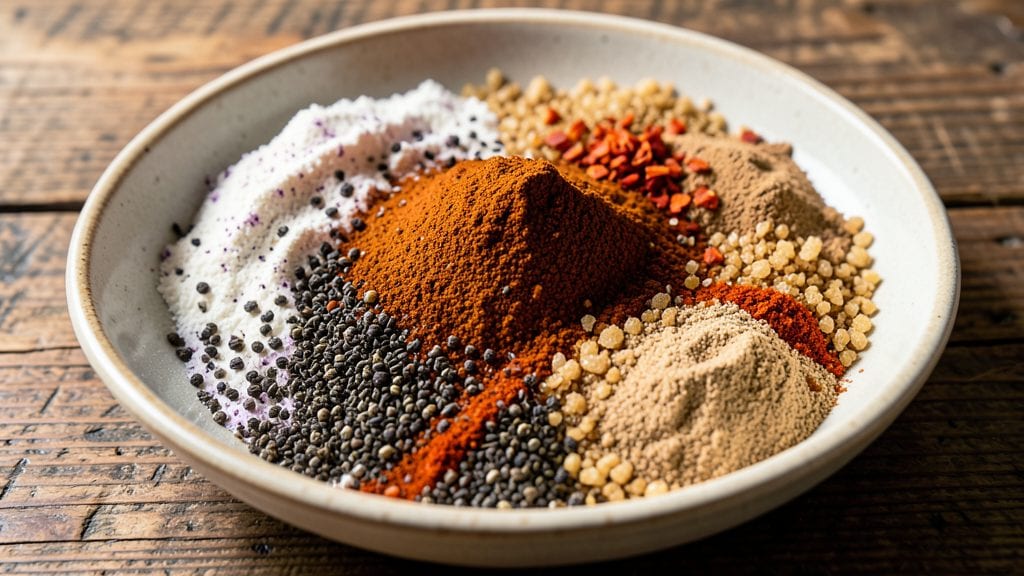
Ingredients for beef jerky dry rub
Nine bold spices and one tablespoon of caramelizing sweetness—this mix transforms jerky into addictive, smoky-sweet perfection.
| Ingredient | Amount | Notes |
|---|---|---|
| Smoked Paprika 🌶️ | 2 tbsp | High-quality for authentic smokiness |
| Brown Sugar 🍯 | 1 tbsp | Light or dark variety |
| Garlic Powder 🧄 | 1 tsp | Freshly ground preferred |
| Onion Powder 🧅 | 1 tsp | Finely ground for smooth texture |
| Cayenne Pepper 🔥 | 1 tsp | Adjust for desired heat level |
| Ground Black Pepper 🌶️ | ½ tsp | Freshly ground for best flavor |
| Diamond Crystal Kosher Salt 🧂 | ½ tsp | Coarse grain preferred |
| Ground Cumin 🌿 | ½ tsp | Toasted for deeper aroma |
| Mustard Powder 🍯 | ½ tsp | For subtle tangy depth |
| Ground Coriander 🌿 | ¼ tsp | Sweet and citrusy notes |
The smoked paprika is non-negotiable here—Penzeys or McCormick Gourmet deliver the deepest, most authentic smokiness. Brown sugar isn't just for sweetness; it caramelizes beautifully during dehydration, creating that coveted crackly crust. Trader Joe's has the best-priced organic brown sugar in bulk bins, but any light or dark variety works. For the heat, cayenne is your best friend, but if you're sensitive to spice, reduce it to half a teaspoon—you can always add more later. The cumin and coriander might seem minor, but they're the secret to that complex, slightly earthy depth that separates homemade jerky from store-bought.
No smoked paprika? Substitute half a teaspoon each of regular paprika and liquid smoke—it's not identical, but it gets you close. Running low on brown sugar? Honey or maple syrup at half the amount works in a pinch, though it'll add moisture. Mustard powder hard to find? Dijon mustard powder or even a tiny bit of ground mustard seeds will give you that tangy kick. The coriander can be swapped for a pinch of orange zest if you're feeling fancy. And if you're making this for venison or turkey, add an extra quarter teaspoon of garlic powder—gamey meats need that extra punch.
This blend keeps forever if stored properly. Glass jars with airtight lids are your best bet—spices lose potency when exposed to light and air. A small mason jar works perfectly for single batches. Once opened, use within 6 months for peak flavor. If you're making jerky in bulk, divide the rub into smaller containers—you'll thank yourself later when you don't have to measure every time. And trust me, you'll want to use this often. It's that good.
Why You'll Love This Recipe
- Five-Minute Mix: I swear, this rub comes together faster than I can say "hangry snack." Just toss those five ingredients—smoked paprika, brown sugar, garlic powder, onion powder, and cayenne—into a bowl and stir. No measuring cups, no stress, no mess. That’s it.
- Sweet Heat Magic: Honestly, the balance here is chef’s kiss—the brown sugar caramelizes into a sticky, addictive crust while the cayenne gives it that little kick. The smoked paprika adds depth, and the garlic-onion powder? It’s like a flavor bomb waiting to happen.
- Tailgate or Tuesdays: Between us, this rub works everywhere. Slap it on beef for jerky, but also try it on steaks, roasted potatoes, or even chicken thighs. I’ve used it for game day snacks, quick weeknight dinners, and even as a last-minute camping meal. Versatile? Absolutely.
- Lasts for Weeks: Here’s what sold me—this stuff doesn’t spoil. Store it in a jar, and it’ll keep for months, ready to elevate any protein. Plus, a little goes a long way, so you’re not buying rubs every time you crave that smoky-sweet kick. Budget win.
Step-by-step instructions for smoky-spiced beef jerky rub
This blend delivers restaurant-quality depth with just 10 ingredients—perfect for homemade jerky.
👨🍳 Step 1: Measure All Components Precisely
Gather a small mixing bowl and measure out the 2 tbsp smoked paprika first—this is your flavor foundation. I like to use a kitchen scale for accuracy with such small quantities, but a proper measuring spoon works too. The smoked paprika should be deep red and finely ground for even distribution.
Next, add the 1 tbsp brown sugar—this isn't just for sweetness, but also helps with the curing process. Light brown sugar gives a subtle caramel note, while dark adds more molasses depth. Tap the measuring spoon gently against the bowl's edge to remove any excess clinging to the sides.
👨🍳 Step 2: Combine Spice Blend Components
Add the remaining spices in this order: 1 tsp garlic powder, 1 tsp onion powder, 1 tsp cayenne pepper, 0.5 tsp ground black pepper, 0.5 tsp diamond crystal kosher salt, 0.5 tsp ground cumin, 0.5 tsp mustard powder, and finally the 0.25 tsp ground coriander. I've found this sequence prevents clumping—starting with the more potent spices first helps them disperse evenly through the mixture.
Use a small whisk or fork to break up any initial clumps, then stir vigorously for about 30 seconds until you see a uniform, fine powder. The mixture should look like a rich, reddish-brown dust with no visible specks. If you notice any gritty texture, sift the blend through a fine-mesh strainer to ensure silky application on your meat.
🥘 Step 3: Test and Adjust for Heat Balance
Transfer about 1 teaspoon of the finished rub to a small plate. Taste it carefully—you should notice the smokiness from the paprika first, followed by the warm cumin and subtle citrus notes from the coriander. The cayenne provides a gentle heat that builds gradually, while the mustard powder adds a faint tangy complexity.
If you want more heat, add an extra ¼ tsp cayenne pepper. For deeper smokiness, add ½ tsp additional smoked paprika. Remember, these spices will intensify as they cure into the meat, so start conservative. Once satisfied, transfer the remaining rub to an airtight container—it'll keep for up to 3 months in a cool, dark place.
🔥 Step 4: Apply to Meat for Maximum Flavor Penetration
When ready to use, generously coat your beef slices with the rub, pressing it into the meat so it adheres completely. I like to work in batches, applying about 1 tablespoon of rub per 4 ounces of beef. Let the meat sit at room temperature for 15 minutes before processing—this allows the spices to begin working their magic and prevents clumping during dehydration.
The rub should create a visible, even coating on both sides of the meat. For extra adhesion, you can lightly mist the meat with apple cider vinegar or beef broth before applying the rub. This step ensures your jerky develops that perfect balance of smoky, spicy, and slightly sweet flavors throughout.
Pro Tips For Making Beef Jerky Dry Rub
- Sift the Rub: I learned this the hard way—just dumping spices into a bowl and mixing leaves clumps, especially with brown sugar. Use a fine-mesh sieve to break up any sugar crystals and blend everything evenly. Your jerky won’t taste like a science experiment if the spices distribute properly.
- Preheat the Meat: Cold meat throws off your dehydrator’s temperature. Take the beef out of the fridge 30 minutes before slicing—this keeps it from drying too fast or unevenly. Trust me, your jerky will thank you when it’s not rubbery on one side and raw on the other.
- Skip the Cayenne Rush: Adding all the cayenne at once turns your jerky into a spicy regret. Mix half of it into the rub, then sprinkle the rest lightly on top after applying the full rub—this gives you control over heat without turning your snack into a fire hazard.
- Toast the Paprika: Sounds weird, but it works: Dry-toast the smoked paprika in a small pan over low heat for 2 minutes before mixing. This deepens its smoky flavor and cuts through the sweetness of the brown sugar. I was skeptical until I tried it—now I never skip it.
Dietary considerations for this beef jerky dry rub
Gluten-Free Adaptations
This dry rub is naturally gluten-free since it contains no wheat-based ingredients. However, always double-check your spices for potential cross-contamination—brands like Penzeys and Simply Organic guarantee gluten-free certification. For extra safety, purchase spices labeled "gluten-free" or dedicated to gluten-free cooking.
The blend works perfectly with gluten-free curing agents like salt or sugar in your jerky-making process. 🌾
Low-Sodium Options
If you're watching sodium intake, reduce the ½ tsp kosher salt to just ¼ tsp—this still enhances flavor without overpowering. For a completely salt-free version, omit it entirely and rely on the natural umami from the beef.
Balance the flavor by increasing the garlic powder to 1.5 tsp and onion powder to 1.5 tsp to compensate for the lost saltiness. Taste as you go!
Spice-Free for Sensitive Palates
For those avoiding cayenne, simply omit it entirely—your jerky will still be flavorful with the remaining spices. If you want mild heat without cayenne, add ½ tsp smoked paprika and ½ tsp ground mustard powder for a subtle kick.
The cumin and coriander provide warmth without spiciness, making this blend surprisingly versatile for sensitive eaters. 🌿
Keto-Friendly Confirmation
This dry rub is keto-approved since it contains zero carbs—no sugar substitutes or fillers are needed. The brown sugar can be replaced with erythritol or monk fruit sweetener (use 1 tsp for equivalent sweetness) if you're strict about net carbs.
The spices themselves are all zero-carb, so you can use this rub guilt-free on your keto jerky batches. Just ensure your curing process aligns with keto principles!
Allergen Considerations
This blend is free from the top 9 allergens, but always verify individual spices if you have severe allergies. For example, mustard powder may contain traces of mustard seeds—opt for a certified allergen-free brand if needed.
If you're allergic to garlic or onion, substitute with asafetida powder (½ tsp) for a similar savory depth without the allergens. Always store spices in sealed containers to prevent cross-contamination. 🚫
Sweetness Adjustments
For a diabetic-friendly version, replace the 1 tbsp brown sugar with 1 tsp erythritol or stevia (adjust to taste). The sugar isn't just for sweetness—it helps with the curing process, so if you omit it, consider adding ½ tsp extra smoked paprika for depth.
The rub will still develop rich flavors, just without the glycemic impact. Always monitor blood sugar if you're diabetic and new to homemade jerky! 💡
Nutrition facts
Frequently asked questions
Can I use this dry rub on other meats besides beef?
This blend works beautifully on venison, turkey, or even chicken for jerky. For game meats like venison, add an extra ¼ tsp garlic powder to complement their stronger flavors. The spices penetrate well during dehydration, so the result will be equally flavorful across different proteins.
How do I store leftover dry rub?
Transfer any unused rub to an airtight container (like a small mason jar) and store it in a cool, dark place. It'll keep for up to 6 months without losing potency. For extra freshness, refrigerate it—though the spices won't spoil, they'll retain their aroma longer. Freezing isn't necessary but can extend shelf life to 1 year if needed.
What if my jerky turns out too dry or tough?
This usually happens when dehydration time is too long or the meat is too lean. For chewier jerky, reduce drying time by 1-2 hours and check slices frequently. If using top-round roast, trim excess fat first—it can create uneven texture. For extra moisture, lightly mist the meat with apple cider vinegar before applying the rub.
Can I make this rub without smoked paprika?
Yes! Mix ½ tsp regular paprika with ½ tsp liquid smoke for a similar effect. The flavor won't be identical, but it'll still add depth. For a smokier alternative, try ½ tsp chipotle powder instead—it adds heat and smokiness in one. Adjust other spices to balance the flavor profile.
How much rub should I use per pound of meat?
Use about 1 tablespoon of rub per 4 ounces of meat (roughly 2 tablespoons per pound). Press the rub firmly into the meat to ensure even coverage. For extra flavor, let the meat sit for 15 minutes before dehydrating—this helps the spices adhere better and penetrate deeper.