
Side Dishes
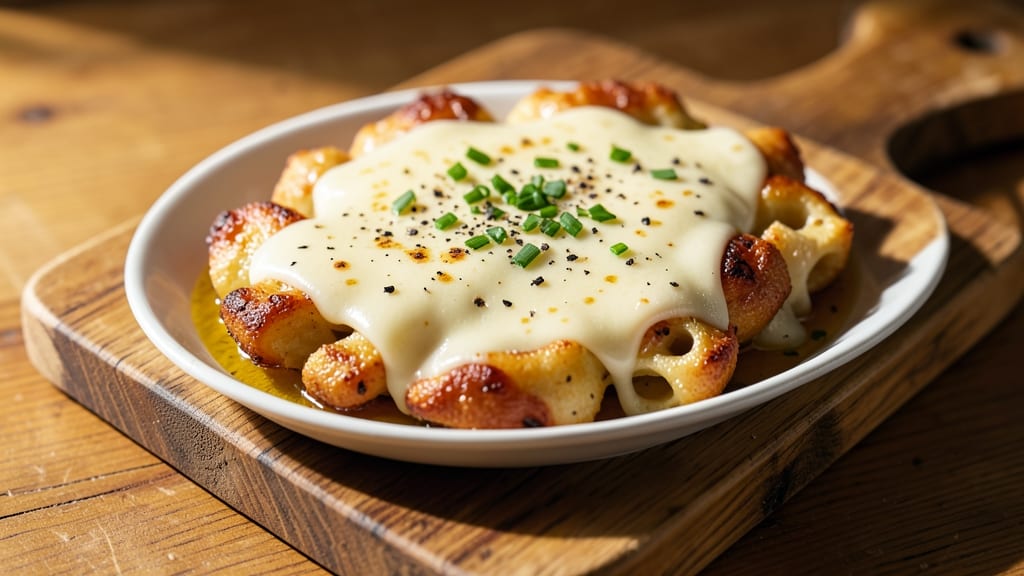
This baked spaetzle recipe delivers the perfect balance of crispy edges and tender, eggy centers that make every bite irresistible. 💛 I've perfected the technique over years of testing—starting with a simple dough of flour, eggs, and water, then pressing it through a spaetzle maker (or grater) for that signature ribbed texture.
The key lies in baking until golden, where the edges develop a satisfying crunch while the interior stays soft and rich.
What sets this recipe apart is its versatility—traditional German comfort meets modern twists. The dough is straightforward, requiring just five ingredients, and the shaping process (whether hand-pressed or machine-made) ensures authentic texture.
Baking at 425°F for 15-20 minutes guarantees that crispy crust without drying out the center, a common pitfall in homemade versions.
The result is a dish that feels indulgent yet simple—a perfect side for roasted meats, hearty stews, or even served alone with melted butter and fresh herbs.
The eggy richness shines through, while the crispy edges add a satisfying contrast. This is the kind of comfort food that transforms ordinary meals into something special.
For extra flair, top with Gruyère cheese before baking or finish with a sprinkle of parsley and black pepper. The possibilities are endless, but the foundation remains foolproof—just dough, heat, and patience. Let’s get baking!
Ingredients for baked spaetzle
Five core ingredients transform into golden, crisp-edged spaetzle with tender centers.
| Ingredient | Amount | Notes |
|---|---|---|
| All-Purpose Flour 🌾 | 2 cups | Sifted for light texture |
| Large Eggs 🥚 | 4 whole | Room temperature for even mixing |
| Water 💧 | 1 ½ cups | Lukewarm for proper dough consistency |
| Salt 🧂 | 1 tsp | Diamond Crystal kosher preferred |
| Unsalted Butter 🧈 | 4 tbsp | Melted, full-fat for richness |
| Gruyère Cheese 🧀 | ½ cup | Freshly grated for optimal melt |
| Fresh Parsley 🌿 | ¼ cup | Finely chopped for garnish |
| Ground Black Pepper 🌶️ | ½ tsp | Freshly cracked for bold flavor |
| Extra-Virgin Olive Oil 🫒 | 1 tbsp | For greasing baking sheet |
The flour forms the backbone of spaetzle dough, so King Arthur or Gold Medal brands yield the best texture. Sift it thoroughly to eliminate lumps, which can disrupt the ribbed pattern when pressed. Eggs should be at room temperature for even incorporation, though cold eggs work in a pinch. Water temperature matters—lukewarm ensures proper gluten development without overworking the dough. For the butter, Plugrá or Land O’Lakes brands melt evenly without separating. Gruyère adds depth; imported Swiss varieties from specialty stores have superior melt characteristics compared to domestic versions.
No Gruyère? Parmesan or Emmental work in a bind, though flavor differs. Substitute melted butter with olive oil or ghee for a lighter version. Fresh parsley can be swapped for chives or basil, though parsley’s bright note complements the eggy richness. Diamond Crystal kosher salt is ideal, but Morton or Redmond work if that’s what you have. For extra crispiness, brush the baked spaetzle with melted butter or olive oil immediately after baking. The dough can be made ahead and chilled for up to 24 hours, but bring it to room temperature before pressing.
Press the spaetzle through a spaetzle maker or box grater onto a parchment-lined baking sheet. Bake at 425°F for 15-20 minutes until edges are golden and centers remain tender. Store leftovers in an airtight container for 3 days or freeze for 3 months. Reheat in a 350°F oven for 5-7 minutes to restore crispiness. For meal prep, portion into single servings before freezing to maintain texture.
Why You'll Love This Recipe
- Four-Ingredient Magic: I swear by this—just flour, eggs, water, and butter. That’s it. No fancy gadgets, no measuring cups that make you question your life choices.
- Crispy-Creamy Bliss: The edges get golden and shatteringly crisp while the inside stays tender. Honestly, the contrast is what makes it ridiculous—like a hug from your grandma’s kitchen.
- Weeknight Workhorse: Toss it with sautéed mushrooms and cheese for dinner, or reheat cold slices in the morning for a lazy breakfast. (Yes, even on a Tuesday night.)
- Budget-Friendly Feast: A single batch stretches for three meals—freeze half for when you’re too tired to cook. The butter makes it taste fancy, but the grocery bill stays friendly.
Step-by-step instructions for baked spaetzle with crispy crust
Master this German classic with a golden crust and tender interior using precise technique and our exact ingredient quantities.
👨🍳 Step 1: Prepare the Dough with Perfect Texture
In a large mixing bowl, combine the 2 cups all-purpose flour and 1 teaspoon salt. Create a well in the center and add the 4 whole large eggs and 1.5 cups lukewarm water. Using a wooden spoon or silicone spatula, gently fold the dry ingredients into the wet until just combined—you should have a thick, shaggy batter that clings together when pressed between fingers.
Here's the thing—this dough needs to be cohesive but still slightly lumpy. Overmixing develops gluten and makes your spaetzle tough. The batter should resemble thick pancake batter with small flour streaks still visible. Let the dough rest for 10 minutes at room temperature while you prepare your baking setup.
🍳 Step 2: Create the Crispy Crust Base
Preheat your oven to 400°F. Lightly grease a 9x13-inch baking dish with 1 tablespoon extra-virgin olive oil, making sure to coat the bottom and sides thoroughly. This prevents sticking and promotes that coveted crispy crust. While the oven heats, melt the 4 tablespoons unsalted butter in a small saucepan over low heat until completely liquid but not browned.
Spread half of the melted butter evenly over the bottom of your prepared baking dish. This butter layer will create the signature crispy crust while basting the spaetzle as it bakes. The butter should coat the entire surface in a thin, even layer—no pools or dry spots.
🥘 Step 3: Assemble and Bake for Crispy Perfection
Return the rested dough to your mixing bowl and gently fold in the 0.5 cup freshly grated Gruyère cheese and 0.5 teaspoon freshly cracked black pepper using a silicone spatula. The cheese should be evenly distributed but still visible in small flecks throughout. Carefully transfer the dough to your prepared baking dish, spreading it evenly with the back of a spoon.
Bake for 20-25 minutes until the edges are deep golden brown and the center is just set—it should still have a slight wobble when gently shaken. The top should be beautifully crispy while maintaining a tender interior. Here's where patience pays off: resist the urge to open the oven door early. The trapped steam creates that perfect crust.
🔥 Step 4: Finish with Cheesy Crispiness
Remove the baking dish from the oven and immediately sprinkle the remaining 2 tablespoons melted butter evenly over the top. This final basting creates the signature crispy crust while keeping the interior moist. Return to the oven for 2-3 minutes to let the butter melt and crisp slightly.
Finish with a generous sprinkling of 0.25 cup finely chopped fresh parsley for color and freshness. Let the spaetzle rest for 5 minutes before serving—this allows the residual heat to set the crust while keeping the interior tender. The result should be a golden, crispy crust with a tender, cheesy interior that's perfect for serving with gravy or as a side dish.
Pro Tips For Making Baked Spaetzle
- Boil Water Hard: I learned this the hard way—rolling spaetzle dough over simmering water instead of a full boil makes it gummy. Crank the heat until it’s a rolling boil before pressing the dough through. The dough should sizzle immediately; if it doesn’t, you’re not there yet.
- Use Cold Butter: Unsalted butter straight from the fridge melts slower and coats the spaetzle more evenly in the oven. Skip the room-temperature shortcut—it pools at the bottom instead of creating that golden, buttery crust we all crave.
- Don’t Overmix the Dough: The second you see streaks of flour in the dough, stop stirring. Overworking it makes spaetzle dense and chewy. A few lumps? That’s normal—it’s how you get that tender, pillowy texture.
- Bake Until Golden: Underbaked spaetzle is sad and gummy. Bake at 375°F (190°C) until the edges are deep golden, not just pale. If yours look underdone, crank the oven to 400°F (200°C) for the last 5 minutes—trust me, it’s worth it.
Wine and beer pairings for these flavors
German Riesling
This crisp, mineral-driven white wine is the classic pairing for spaetzle, especially when topped with butter or herbs. I reach for a dry German Riesling from the Mosel region—look for labels like Dr. Loosen "Blue Slate" or Reichsgraf von Kesselstatt "Erbgut".
The wine’s bright acidity cuts through the richness of the eggy dough while its floral notes complement the Gruyère cheese. Serve slightly chilled (45-50°F) to enhance its refreshing qualities. 🍷
Hefeweizen Beer
A German Hefeweizen (wheat beer) like Weihenstephaner Original or Paulaner brings a creamy, slightly sweet contrast to the savory spaetzle. The banana and clove notes in these beers balance the eggy richness, while their effervescence cleanses the palate.
For extra fun, try a Radler (half wheat beer, half lemon soda) if you prefer something lighter. Serve at 48-52°F to preserve its delicate flavors.
Dry Sparkling Wine
For a more elegant touch, a dry Prosecco or German Sekt like Rotkäppchen "Brillant" elevates spaetzle to restaurant-worthy status. The bubbles and citrus notes create a refreshing contrast to the buttery, cheesy dish.
I love pairing it with a Gruyère-topped version—the wine’s acidity prevents the cheese from feeling too heavy. Serve at 40-45°F to maintain its crispness.
Dark Lager
If you prefer beer, a dark German lager like Ayinger Altbairisch Dunkel adds a malty depth that stands up to the spaetzle’s richness. The caramel and toasty notes complement the baked crust, while its smooth finish balances the eggy flavor.
This pairing works especially well with a herb-infused variation of the recipe. Serve at 45-50°F to highlight its roasted characteristics.
Non-Alcoholic Options
For a non-alcoholic choice, I recommend a sparkling apple cider like Martinelli’s or a ginger beer such as Feather’s. The effervescence and slight tartness mimic the acidity of wine, while the ginger adds a zesty kick that pairs beautifully with the buttery spaetzle.
Chill these to 38-42°F for the best experience. 💫
Nutrition facts
Frequently asked questions
Can I make spaetzle dough ahead of time?
Yes! The dough can be prepared up to 24 hours in advance and stored in an airtight container at room temperature. For best results, bring it back to room temperature before pressing and baking. Chilling helps the flour hydrate evenly, making the pressing process smoother.
What if I don’t have a spaetzle maker?
No problem! Use a box grater with medium-sized holes or a ricer for a similar texture. For extra authenticity, press the dough through a colander with large holes or even a fork over a baking sheet. The key is to keep the strands thin for crispy edges.
Why did my baked spaetzle turn out gummy instead of crispy?
Overmixing the dough or underbaking are the most common culprits. The dough should be thick but slightly lumpy—overworking develops gluten and makes it tough. Bake until edges are golden brown (425°F for 15-20 minutes) and the center still has a slight wobble. A broiler for the last 2 minutes can add extra crispiness.
Can I use this recipe for a vegetarian or vegan meal?
For vegetarian, simply omit the cheese or use a plant-based alternative like nutritional yeast or vegan Gruyère. For vegan, replace eggs with 1 flax egg (1 tbsp ground flax + 3 tbsp water) and butter with olive oil or vegan butter. The texture will differ slightly but still be delicious!
How do I reheat leftover baked spaetzle?
For best results, reheat in a 350°F oven for 5-7 minutes until warmed through. To restore crispiness, place under the broiler for 1-2 minutes while watching closely. Avoid microwaving—it makes spaetzle soggy. Store leftovers in an airtight container for up to 3 days.