
Main Courses
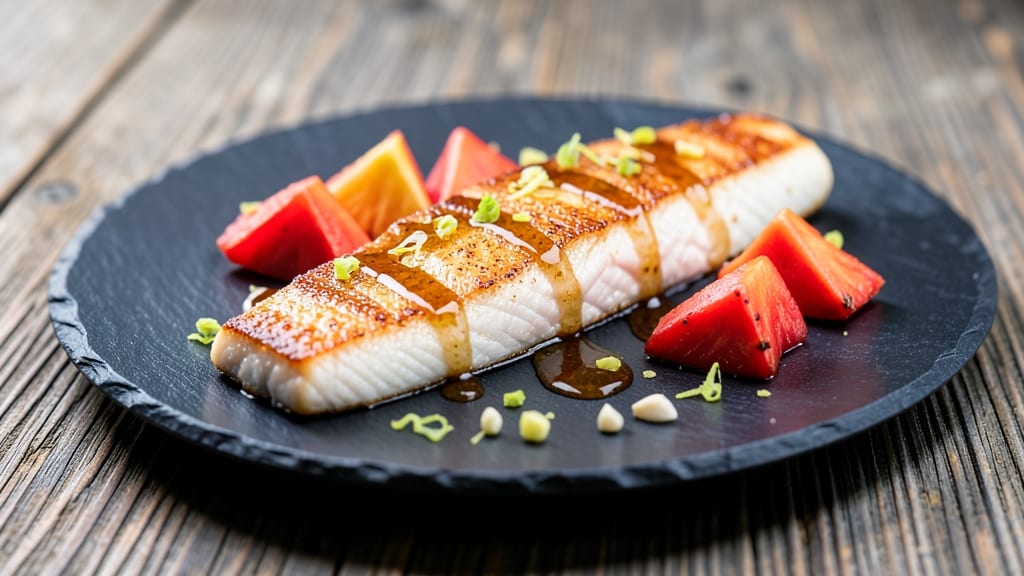
This baked pineapple fish recipe transforms simple weeknight dinner into a restaurant-worthy centerpiece with its caramelized edges and sweet-tangy glaze.
The secret lies in balancing pineapple's natural sweetness with a touch of soy sauce and honey, creating a glaze that both tenderizes the fish and develops a beautiful golden crust in the oven.
I perfected this technique during a summer cookout when I needed a dish that felt special without requiring hours of prep.
The beauty of this method is its foolproof simplicity—just a few ingredients and 20 minutes of active time yield a dish that looks and tastes like it belongs on a fine-dining menu.
The pineapple glaze isn't just sweet; it adds a subtle acidity that cuts through the richness of the fish, while the oven's dry heat ensures crispy edges without overcooking the delicate center. This is the kind of recipe that turns basic white fish into something extraordinary.
By the time it emerges from the oven, your fish will have glossy caramelized edges that contrast perfectly with its tender, flaky interior. The aroma alone—warm pineapple, caramelized honey, and a hint of umami from the soy—will have everyone gathered around the table.
Serve it with steamed jasmine rice and a simple green salad to let the fish shine as the star of the meal.
This recipe works beautifully with snapper, tilapia, or cod, and the glaze can be adjusted to suit your taste—more honey for extra sweetness, or a splash of lime juice for brightness.
The technique scales easily, making it perfect for both intimate dinners and larger gatherings. Let's get started on creating this showstopping dish.
Ingredients for baked pineapple fish
Foolproof ingredients for a restaurant-worthy dish with caramelized edges and sweet-tangy glaze.
| Ingredient | Amount | Notes |
|---|---|---|
| White Fish Fillets 🐟 | 4 pieces | Snapper, tilapia, or cod preferred |
| Fresh Pineapple Chunks 🍍 | 1 cup | Freshly chopped, no syrup added |
| Honey 🍯 | ⅓ cup | Wildflower preferred for depth |
| Light Soy Sauce 🥄 | ¼ cup | Low-sodium preferred |
| Lime Juice 🍋 | ¼ cup | Freshly squeezed |
| Garlic Cloves 🧄 | 4 cloves | Minced for aromatic depth |
| Fresh Ginger 🌿 | 1 tbsp | Finely grated, organic preferred |
| Extra-Virgin Olive Oil 🫒 | 2 tbsp | For glaze richness |
| Diamond Crystal Kosher Salt 🧂 | 1 tsp | For seasoning balance |
| Ground Black Pepper 🌶️ | ½ tsp | Freshly cracked |
| Sesame Oil 🥜 | 1 tsp | For finishing aroma |
| Toasted Sesame Seeds 🌾 | 1 tbsp | For visual contrast |
| Fresh Cilantro 🌿 | ¼ cup | Chopped, for garnish |
The fish selection is critical for this recipe. Snapper delivers the most delicate texture, but tilapia or cod work equally well if preferred. Opt for fillets with even thickness to ensure uniform cooking. For pineapple, fresh is non-negotiable—canned versions lack the necessary acidity and texture. Purchase whole pineapples and remove the flesh yourself for optimal freshness. The honey should be wildflower for its complex floral notes, while the soy sauce must be light and low-sodium to prevent overpowering the delicate fish flavor. All ingredients should be sourced from reputable markets or specialty stores like Whole Foods or Trader Joe's for guaranteed quality.
Substitutions are possible but require careful balance. For pineapple, mango or papaya can substitute at a 1:1 ratio, though the flavor profile will differ slightly. If honey is unavailable, agave nectar or maple syrup work in a pinch, though they may alter the caramelization slightly. The lime juice can be replaced with lemon juice at a 1:1 ratio, though lime provides a more vibrant acidity. For those avoiding soy, coconut aminos serve as a suitable alternative. The garlic and ginger can be omitted if preferred, but their aromatic complexity is highly recommended for depth. Fresh herbs like cilantro can be substituted with basil or parsley if unavailable, though they impart distinct flavors.
Proper storage ensures optimal freshness for this dish. Fresh pineapple should be stored in the refrigerator, wrapped in plastic, for up to 5 days—though it's best used within 24 hours for peak flavor. The fish fillets should be kept on ice until ready to use, then refrigerated for no more than 2 days. Prepared glaze components can be stored separately in airtight containers in the refrigerator for up to 3 days. The completed dish reheats beautifully in a 350°F oven for 8-10 minutes, though it's best served immediately after baking to preserve the crispy edges. For meal prep, consider baking an extra fillet and storing it separately to reheat as needed.
Why You'll Love This Recipe
- I swear by this for lazy nights: toss fish, pineapple, and sauce on a sheet, bake, and done. No frying, no flipping, no mess—just 20 minutes of hands-off perfection while you scroll or sip wine.
- Sweet-Savory Magic: Honestly, the honey and soy sauce glaze caramelizes into this irresistible balance—like a dessert that somehow works at dinner. That bright pineapple cut through the richness, making every bite feel like a little vacation.
- One-Pan Miracle: I swear by this for lazy nights: toss fish, pineapple, and sauce on a sheet, bake, and done. No frying, no flipping, no mess—just 20 minutes of hands-off perfection while you scroll or sip wine.
- Leftover Gold: Between us, this reheats like a dream. The fish stays flaky, the pineapple stays juicy, and the glaze? Still sticky-sweet. Pack it for lunches or freeze portions—your future self will thank you.
Step-by-step instructions for baked pineapple fish with sweet-tangy glaze
This method delivers perfectly caramelized edges and tender fish with a balanced sweet-savory glaze.
Prepare the Glaze and Season the Fish
In a medium saucepan, combine the 0.33 cup honey, 0.25 cup light soy sauce, and 0.25 cup freshly squeezed lime juice. Place over medium heat and stir continuously for 3-4 minutes until the mixture begins to thicken slightly and reaches a gentle simmer. This reduction process concentrates the flavors and creates the perfect balance of sweetness and acidity.
While the glaze simmers, pat the 4 pieces white fish fillets dry with paper towels—this is critical for achieving crispy edges. Place the fillets on a plate and season both sides generously with 1 teaspoon diamond crystal kosher salt and 0.5 teaspoon freshly cracked ground black pepper. Let them sit at room temperature for 10 minutes while the glaze reduces.
Create the Aromatic Base and Assemble the Baking Dish
In a small bowl, finely mince the 4 cloves garlic and grate the 1 tablespoon fresh ginger using a microplane. Heat 1 tablespoon of the 2 tablespoons extra-virgin olive oil in a small skillet over medium heat until shimmering. Add the garlic and ginger, cooking for 30-45 seconds until fragrant but not browned—this prevents bitterness and builds flavor depth.
Transfer the garlic-ginger mixture to a 9x13-inch baking dish. Arrange the seasoned fish fillets on top of the aromatics, skin-side down if they have skin. Pour the reduced glaze evenly over the fish, coating all surfaces. Scatter the 1 cup fresh pineapple chunks around the fillets, pressing down gently to help them adhere to the glaze.
Bake Until Glaze Caramelizes and Fish Flakes Easily
Preheat your oven to 375°F. Bake the fish for 12-15 minutes, until the edges of the fish are golden brown and the glaze has thickened into a glossy caramelized layer. The fish should flake easily when tested with a fork at the thickest part—this ensures perfect doneness without overcooking.
During the last 2 minutes of baking, drizzle the remaining 1 tablespoon extra-virgin olive oil over the top and sprinkle with 1 teaspoon sesame oil. This creates a beautiful sheen and adds nutty depth to the finish. Remove from the oven and let rest for 3 minutes before serving.
Garnish and Serve Immediately
Sprinkle the baked fish with 1 tablespoon toasted sesame seeds and 0.25 cup chopped fresh cilantro just before serving. The sesame seeds add textural contrast while the cilantro brightens the dish with freshness. Serve immediately with steamed jasmine rice or a simple cucumber salad to complement the sweet-tangy flavors.
Each piece should reveal perfectly caramelized edges that contrast with the tender, flaky interior. The glaze should coat the fish evenly, with a balance of sweet honey, umami from the soy sauce, and bright acidity from the lime. The pineapple chunks should be tender with just a hint of caramelization from the baking process.
Pro Tips For Making Baked Pineapple Fish
- USE A BAKING DISH THAT FITS: I learned this the hard way—crowding the fish and pineapple in a too-small pan makes the fish steam instead of caramelize. Use a dish where the fish and pineapple have at least 1 inch between them. If you’re short on space, bake in batches with a 5-minute rest between.
- CUT PINEAPPLE INTO EVEN PIECES: Uneven chunks mean some parts cook faster than others. Aim for 1-inch cubes so the pineapple caramelizes evenly with the fish. Pro tip: Toss the cut pineapple in cold water for 10 minutes before baking—it removes excess enzymes that can make the fruit mushy.
- SALT THE FISH BEFORE MARINATING: Salt the fish fillets 20 minutes before baking—this seasoning penetrates deeper than if you salt after marinating. I know, I know, it feels like extra work, but it guarantees flavor all the way through instead of just on the surface.
- BAKE AT 375°F, NOT HIGHER: After burning three batches, I finally figured out that 375°F is the sweet spot for this recipe. Higher heat turns the honey bitter, and the fish dries out before the pineapple softens. Sounds weird, but it works—trust the process.
Essential equipment for baked pineapple fish
Baking Dish Essentials
The right baking dish makes all the difference for even heat distribution and caramelization. I use a 9x13-inch heavy-gauge baking dish—like All-Clad Stainless Steel or Le Creuset Stoneware—because these materials retain and distribute heat evenly.
For budget-friendly options, a glass Pyrex dish works well, but avoid thin aluminum trays that can cause hot spots. Always preheat your dish in the oven for 5-10 minutes before adding ingredients to ensure even cooking. 🔥
Precision Thermometer
Fish cooks quickly, and overcooking turns it rubbery. A digital instant-read thermometer like ThermoWorks Thermapen is my go-to for monitoring internal temperature. Insert the probe into the thickest part of the fish—it should reach 145°F for perfect doneness.
This tool prevents guesswork and ensures your fish stays tender while the edges caramelize beautifully. 🌡️
Skillet for Aromatics
A 10-inch cast iron skillet (like Lodge) is ideal for quickly infusing the garlic and ginger with heat. Cast iron retains heat well and creates a natural nonstick surface, preventing the aromatics from burning.
If you don’t have cast iron, a stainless steel skillet works, but monitor closely to avoid browning. Always use medium heat to maintain flavor without bitterness.
Microplane for Ginger
Freshly grated ginger makes a world of difference in this dish. A microplane (like Microplane Classic Zester) produces ultra-fine, flavorful shavings that dissolve seamlessly into the glaze. Pre-grating your ginger also saves time—just store it in an airtight container in the fridge for up to 3 days.
Avoid pre-shredded ginger from jars, as it lacks freshness and texture.
Measuring Tools
Precision matters when balancing sweet, salty, and acidic flavors. Use a liquid measuring cup for honey and soy sauce, and a small kitchen scale (like OXO Good Grips) for exact measurements of spices.
Even small variations in honey or lime juice can throw off the glaze’s balance. I keep a set of stainless steel measuring spoons handy for the sesame oil and seeds.
Garnish Essentials
Fresh herbs and toasted sesame seeds elevate the dish visually and texturally. Toast your sesame seeds in a dry small skillet over medium heat for 2-3 minutes, shaking frequently, until golden.
Store them in an airtight container to keep them crisp. For cilantro, a sharp chef’s knife (like Wüsthof) ensures clean, even cuts that brighten every bite. 💫
Nutrition facts
Frequently asked questions
Can I use frozen fish for this recipe?
but thaw it properly first! Place frozen fillets in a sealed bag and submerge in cold water for 20-30 minutes until flexible. Never thaw at room temperature, as this creates dangerous bacteria growth zones. Pat completely dry before seasoning to ensure crispy edges. The texture will be identical to fresh fish when cooked properly.
How do I adjust the glaze for spicier flavors?
Add 1/2 teaspoon of finely minced red chili flakes or 1/4 teaspoon of cayenne pepper to the glaze mixture before reducing. For heat without dryness, blend 1 tablespoon of fresh jalapeño (seeds removed) into the pineapple chunks. Always taste the glaze before baking—you can adjust spice levels after the fact if needed.
Why did my fish turn out dry instead of tender?
Overcooking is the most common cause. Fish should never exceed 145°F internally—use a meat thermometer to check. Also ensure your fillets are even thickness (aim for 1/2-inch) and don't overcrowd the baking dish. For extra moisture, brush the fish with 1 tablespoon of olive oil before adding the glaze.
Can I make this dish ahead of time?
Yes, but with precautions. Prepare the glaze and marinate the fish (without baking) up to 24 hours ahead. Store components separately in airtight containers. Bake fresh for best texture, but you can reheat baked fish at 350°F for 8-10 minutes if needed. The glaze may lose some caramelization when reheated.
What's the best fish for this recipe?
Snapper delivers the most delicate texture, but tilapia, cod, or mahi-mahi all work beautifully. Avoid firm white fish like halibut—they need longer cooking times and may dry out. For best results, choose fillets with 1/2-inch thickness and even shape for consistent doneness.