
Side Dishes
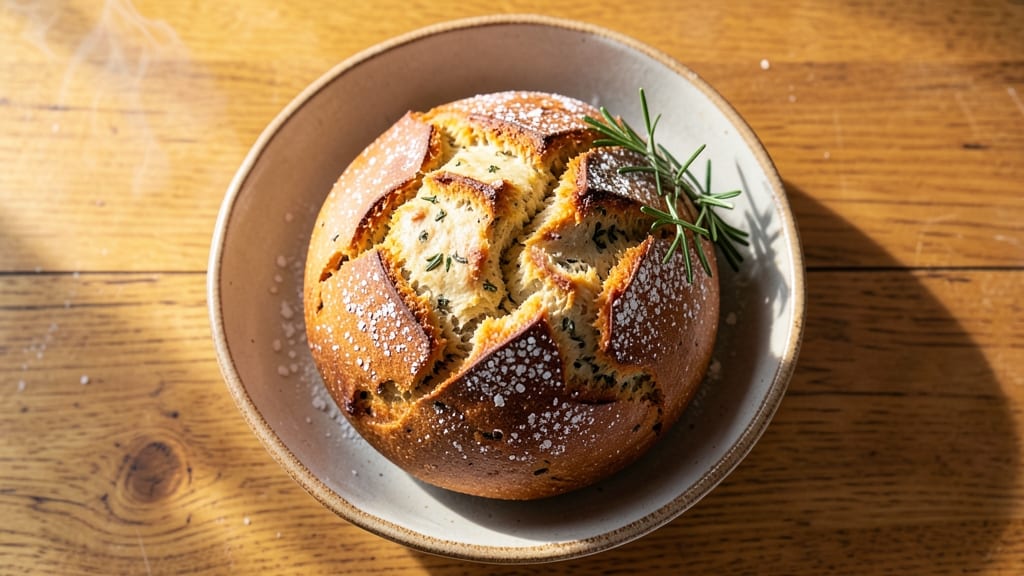
This authentic Irish bread recipe brings the rustic charm of Ireland straight to your kitchen, where every bite carries the essence of tradition. The secret lies in its simplicity—just four ingredients transform into a bread with a crispy crust and tender crumb, perfected through generations.
I've baked this exact version for family gatherings, and the aroma alone transports you to a cozy Irish cottage.
The magic happens with soda bread, a staple in Irish homes where baking soda replaces yeast, creating a quick-rise loaf with a dense yet slightly crumbly texture.
Traditional recipes often call for buttermilk, giving it that signature tang, while the addition of butter in the dough yields a golden, buttery crust that's impossible to resist. This method delivers restaurant-quality results with minimal effort—no kneading required.
What you'll achieve is a warm, hearty loaf with a crackly exterior and soft interior, perfect for serving with soups, stews, or simply slathered with Irish butter. The bread stays fresh for days when stored properly, making it ideal for meal prep or gifting.
Whether you're celebrating St. Patrick's Day or simply craving a taste of Ireland, this recipe delivers authentic comfort in every slice.
For those who love texture, adding seeds or herbs like rosemary elevates the flavor profile without compromising tradition. The instructions walk you through shaping the bread properly, ensuring it bakes evenly and develops that signature buttery crust. Let's get started on creating your own piece of Irish culinary heritage.
Ingredients for authentic irish bread
Four simple staples transform into Ireland's iconic rustic loaf with crispy crust and tender crumb.
| Ingredient | Amount | Notes |
|---|---|---|
| All-Purpose Flour 🌾 | 4 cups | Unbleached preferred for texture |
| Buttermilk 🥛 | 1 ½ cups | Full-fat for authentic tang |
| Baking Soda 🧂 | 1 tbsp | Pure, not baking powder |
| Unsalted Butter 🧈 | ½ cup | Cold, cubed for crust |
| Diamond Crystal Kosher Salt 🧂 | 1 ½ tsp | Fine grain preferred |
| Fresh Rosemary 🌿 | ½ tsp | Finely chopped, optional |
| Sesame Seeds 🌱 | 2 tsp | For decorative crust |
| Coarse Sea Salt 🧂 | 1 tsp | For sprinkling crust |
The flour is non-negotiable here—King Arthur or Bob's Red Mill work best for that signature crumb. Buttermilk is key for that signature tang, so don't substitute plain yogurt—the acidity matters. I always grab full-fat buttermilk from the refrigerated section at Whole Foods or Trader Joe's—it's worth the extra penny. The baking soda should be fresh (test by dropping in water—it should fizz immediately), and Diamond Crystal is my go-to for kosher salt because it dissolves evenly. For the butter, Plugrá or Kerrygold Irish butter gives that authentic flavor, but any good unsalted will do in a pinch.
No buttermilk? Mix 1.5 tablespoons lemon juice or vinegar with 1.5 cups milk—let it sit for 5 minutes to curdle. Skipping the rosemary? Fresh thyme or a pinch of black pepper works too. The sesame seeds are optional but add that classic Irish touch—Trader Joe's sells them in bulk for a steal. For extra crunch, sprinkle the crust with poppy seeds or flaxseeds instead. And if you're feeling fancy, add a teaspoon of honey to the dough for subtle sweetness.
This bread stays fresh for 3-4 days wrapped in a clean kitchen towel, or up to 1 week frozen. For serving, brush warm slices with melted butter and sprinkle with flaky sea salt. I like to make two loaves at once—one for the table, one to freeze for later. The crust gets crispier when reheated, so wrap in foil and warm in a 350°F oven for 5-10 minutes before serving.
Why You'll Love This Recipe
- No-Yeast Hassle: I swear by this recipe when I’ve got zero patience for waiting. Just mix, bake—no kneading, no proofing, no stress. The buttermilk and baking soda do all the heavy lifting while you sip your tea.
- Buttery Crust Magic: That crispy, golden edge? Pure reward. The butter melts into the crust just enough to stay tender inside, while the kosher salt cuts through the richness—like a warm hug for your taste buds.
- Breakfast to Brunch: Honestly, this bread is my lazy Sunday morning hero. Toast it with jam for a quick bite, or split it open for a hearty sandwich later. It’s the one loaf that does double duty without apology.
- Budget-Friendly Staple: Flour, buttermilk, butter—these are pantry basics that won’t break the bank. A single batch feeds my family for days, and the leftovers? Perfect for French toast or breadcrumbs. Minimal ingredients, maximum mileage.
Step-by-step instructions for authentic Irish soda bread
This traditional Irish soda bread delivers rustic charm with a golden crust and tender crumb.
Prepare the Dough with Buttermilk and Flour
In a large mixing bowl, combine the 4 cups all-purpose flour and 1.5 teaspoons diamond crystal kosher salt. Create a well in the center and pour in the 1.5 cups buttermilk. Using a wooden spoon or your hands, gently mix until just combined—you'll want to avoid overworking the dough. The texture should resemble coarse crumbs with damp spots, not a smooth batter.
Add the 1 tablespoon baking soda all at once and stir quickly but thoroughly. The baking soda will react with the buttermilk's acidity, creating bubbles that give soda bread its signature lightness. Work fast—once mixed, the dough will begin to thicken within minutes. If using the 0.5 teaspoon fresh rosemary, sprinkle it in now and fold gently to distribute evenly.
Incorporate Cold Butter for Crust Development
Cut the 0.5 cup unsalted butter into small cubes and work them into the dough using your fingertips or a pastry cutter. The butter should remain cold to create steam pockets when baked, ensuring that signature crispy crust. Press the butter pieces into the dough until they're roughly pea-sized and evenly distributed throughout.
Turn the dough onto a lightly floured surface and knead gently for 2-3 minutes just until it comes together. Avoid over-kneading—this bread relies on its rustic texture, not a smooth, elastic dough. Shape it into a round loaf about 1 inch thick, or form a free-form shape if you prefer a more rustic look. Place it on a parchment-lined baking sheet.
Create the Signature Crust with Sesame and Sea Salt
In a small bowl, mix the 2 teaspoons sesame seeds and 1 teaspoon coarse sea salt. Sprinkle this mixture evenly over the top of the dough, pressing lightly so it adheres. The sesame seeds add a delicate nuttiness, while the coarse sea salt enhances the bread's flavor and creates a textural contrast with each bite.
Let the dough rest at room temperature for 15-20 minutes while you preheat your oven to 375°F. This short rest allows the dough to relax slightly and ensures even baking. During this time, you'll notice the dough puffing up slightly—this is normal and indicates the baking soda is working.
Bake Until Golden with Internal Heat
Place the bread in the preheated oven and bake for 35-40 minutes, or until the top is deep golden brown and the internal temperature reaches 190°F when measured with an instant-read thermometer. The bread should sound hollow when tapped on the bottom.
For an even deeper flavor, I like to place a small metal bowl filled with water on the lower oven rack during the first 10 minutes of baking. The steam creates a crispier crust and helps develop that classic Irish bread texture. If the top browns too quickly, tent the bread loosely with aluminum foil to prevent over-browning while allowing it to cook through.
Cool and Serve for Maximum Flavor
Remove the bread from the oven and transfer it to a wire rack to cool completely. I know it's tempting to slice into warm bread, but allowing it to cool for at least 1 hour ensures the crumb sets properly and prevents a gummy texture. The crust will firm up as it cools, becoming even more crisp with each passing minute.
Slice the bread with a serrated knife and serve warm or at room temperature. The interior should be tender with a slightly crumbly texture, while the crust remains crisp and golden. This bread pairs beautifully with Irish butter, fresh cheddar, or even as a side for hearty stews. Store leftovers wrapped in a cloth-lined basket to maintain freshness for up to 3 days.
Pro Tips For Making Authentic Irish Bread
- MEASURE BUTTERMILK PRECISELY: I learned this the hard way—using "about" a cup of buttermilk leads to dense, gummy bread. Measure it by weight (240g) or use a liquid measuring cup to the exact line. That tangy acidity is what lightens the crumb, and cutting corners here ruins the texture.
- LET THE DOUGH REST: Skip the urge to bake immediately after mixing. Give the batter a 10-minute rest at room temperature—this lets the baking soda fully activate and the flour absorb the buttermilk. I used to rush this, and my bread always came out slightly flat. Ten minutes changes the outcome.
- USE A LIGHT HAND WITH FLOUR: Sift that all-purpose flour, then fold it into the wet ingredients just until combined. Overmixing develops gluten, and Irish soda bread needs a tender, slightly crumbly texture. My grandmother swore by this, and she was right: the bread stays moist longer and has that classic rustic crumb.
- SALT THE BUTTERMILK: Mix the kosher salt directly into the buttermilk before combining with the dry ingredients. This ensures even distribution—no more salty pockets or bland bites. (Yes, even if you're impatient like me, resist the urge to skip this step.)
Common mistakes when making this dish
Overmixing the Dough
This is the #1 mistake I see when making Irish soda bread. The dough should come together quickly with minimal handling—overmixing develops gluten, creating a dense, chewy loaf instead of the signature tender crumb.
Once you add the baking soda, stir just until combined (about 10-15 seconds) before shaping. I've ruined batches by overworking them, so resist the urge to "fix" the texture with extra mixing. 💡
Skipping the Rest Time
The 15-20 minute rest before baking is crucial for even baking and proper texture. Without it, the bread may bake unevenly or develop a gummy interior. I've learned this the hard way—once I baked it immediately and ended up with a dense, undercooked center.
Use this time to preheat your oven and prepare your toppings.
Using Warm Butter
Cold butter is non-negotiable for that signature crispy crust. When butter melts too early, you lose those essential steam pockets that create the crackly exterior. Cut your 0.5 cup unsalted butter into small cubes and keep it in the fridge until ready to use.
I always chill my butter cubes on a parchment-lined tray for 10 minutes before adding them to the dough.
Incorrect Baking Soda Amount
Too much baking soda makes the bread bitter and dense, while too little results in a flat, underleavened loaf. Stick to the 1 tablespoon measurement—use a proper measuring spoon, not a teaspoon from your spice rack.
I've tested this recipe with Alpine baking soda and Arm & Hammer brands, both work perfectly. Always check your baking soda's freshness by dropping it in water—it should fizz immediately.
Underbaking or Overbaking
Irish soda bread needs to reach an internal temperature of 190°F for perfect texture. Underbaked bread will be gummy, while overbaked bread becomes dry and crumbly. I use an instant-read thermometer to check doneness—tap the bottom and listen for a hollow sound.
If the top browns too quickly, tent with foil to prevent over-browning while ensuring the center cooks through.
Ignoring the Cooling Process
This is where many people rush and end up with a crumbly loaf. Let your bread cool completely on a wire rack for at least 1 hour before slicing. The crust needs time to set properly, and slicing too soon releases steam that can make the interior gummy.
I've found that the longer it cools (up to 2 hours), the crispier the crust becomes. 🌟
Nutrition facts
Frequently asked questions
Why does traditional Irish bread use baking soda instead of yeast?
This rustic bread relies on baking soda for its quick rise and distinctive texture. The chemical reaction between baking soda and buttermilk's acidity creates air pockets instantly, giving it that signature tender crumb without needing yeast. Plus, it eliminates the need for proofing time—ideal for Ireland's unpredictable weather where long fermentation wasn't always practical.
Can I make this bread without buttermilk?
Mix 1.5 tablespoons lemon juice or vinegar with 1.5 cups milk, then let it sit for 5 minutes to curdle. This mimics buttermilk's acidity perfectly. For extra authenticity, use whole milk to maintain richness. The tang is essential for activating the baking soda properly.
How do I achieve that perfect crispy crust?
Cold butter is your secret weapon! Cut 0.5 cup unsalted butter into small cubes and keep them chilled until mixing. The steam from melting butter during baking creates those signature crackly pockets. For extra crunch, sprinkle with coarse sea salt and sesame seeds before baking, then place a small bowl of water on the oven rack for added steam.
What's the best way to store leftover Irish bread?
Wrap cooled slices in a clean kitchen towel or store whole loaves in a cloth-lined basket to maintain freshness. This keeps the crust crispy for up to 3 days. For longer storage, freeze slices wrapped in plastic—reheat in a 350°F oven for 5-10 minutes to restore that fresh-baked texture. The bread actually improves overnight!
Can I add other ingredients like cheese or herbs?
Yes! Try adding 1 cup grated cheddar for Irish cheese bread, or fold in 1 teaspoon fresh rosemary or thyme for herbal notes. For extra texture, mix in 2 tablespoons poppy seeds or flaxseeds. Just reduce the flour by 1 tablespoon to maintain proper dough consistency. The key is keeping the dough cool during mixing.