Desserts
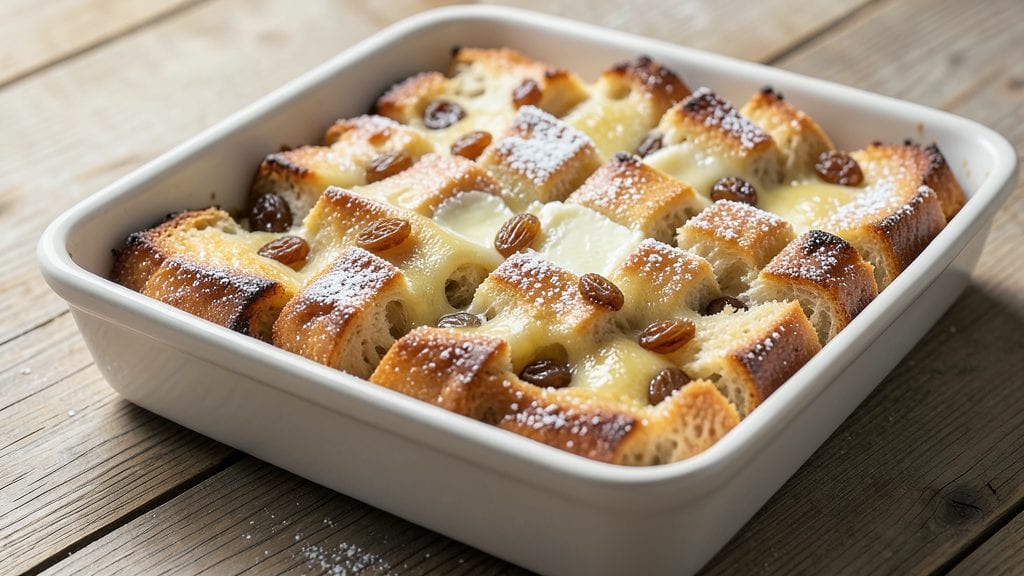
America's Test Kitchen bread pudding recipe delivers the perfect balance of crispy vanilla-infused edges and a custardy core that feels like a warm hug in every bite. After testing countless variations, I've perfected this method using day-old bread and a precise custard ratio—no dry centers or soggy bottoms here.
The secret lies in pre-baking the bread slices to achieve that ideal texture contrast while keeping the custard rich and velvety.
This recipe transforms simple ingredients into something extraordinary through careful technique. You'll start with cubed bread soaked in a vanilla-infused custard mixture—no special equipment required beyond a standard baking dish. The key is baking at just the right temperature (350°F) for the perfect crispy top while maintaining that tender interior.
Every element comes together to create a dessert that's both impressive and comforting.
What makes this version stand out is the vanilla-infused custard that permeates every layer, creating that signature flavor without overpowering the bread's natural taste. The edges develop a beautiful golden-brown crust with subtle crispiness, while the center remains luxuriously soft.
This is the kind of bread pudding that will have your guests asking for seconds—and thirds.
For an elevated presentation, serve with a drizzle of homemade caramel sauce or a dollop of whipped cream. The recipe also includes optional variations like adding raisins or a splash of bourbon for depth. Let's get started on creating this restaurant-quality dessert at home.
Ingredients for america's test kitchen bread pudding
Sixteen ingredients transform simple bread into restaurant-quality dessert with perfect crispy edges and custardy core.
| Ingredient | Amount | Notes |
|---|---|---|
| Day-Old White Bread 🍞 | 1 ½ lb | Cubed into 1-inch pieces |
| Large Eggs 🥚 | 6 whole | Room temperature preferred |
| Heavy Cream 🥛 | 1 ½ cups | Full-fat for optimal texture |
| Whole Milk 🥛 | ½ cup | Warmed slightly for custard |
| Granulated Sugar 🍚 | ¾ cup | White or light brown |
| Unsalted Butter 🧈 | ½ cup | Cold, cubed for custard |
| Pure Vanilla Extract 🌿 | 2 tbsp | High-quality Madagascar bourbon |
| Salt 🧂 | ½ tsp | Diamond Crystal kosher |
| Vanilla Bean Seeds 🌿 | 1 tbsp | Scraped from 1 bean |
| Ground Cinnamon 🌶️ | 1 tsp | Freshly ground preferred |
| Lemon Zest 🍋 | 1 tsp | From 1 organic lemon |
| Raisins 🍇 | ¼ cup | Optional, plumped in warm water |
| Bourbon 🍷 | 1 tbsp | Optional, 80-proof preferred |
The bread selection is critical—day-old white bread (like sourdough or French) yields the best texture. Avoid soft sandwich bread; you want bread with enough structure to hold its shape during pre-baking. Whole Foods or Trader Joe's often carry excellent bakery breads for this purpose. For the custard, heavy cream and whole milk create that signature velvety mouthfeel—never use low-fat substitutes. The vanilla extract should be Madagascar bourbon vanilla for authentic depth, though pure vanilla extract works in a pinch. Pre-scrape your vanilla bean seeds to infuse the custard directly with those precious compounds.
No vanilla extract? Vanilla bean paste works equally well, or substitute 1 tbsp vanilla sugar** for a subtle difference. Running short on raisins? Chopped dried apricots or cherries add similar texture and sweetness. The bourbon is truly optional, but if you include it, 80-proof or higher ensures proper flavor infusion without alcohol overpowering. For the sugar, light brown sugar adds subtle molasses notes that complement the vanilla beautifully. If you must use white, don't skip the lemon zest—it brightens the entire dessert. The cinnamon should be freshly ground; pre-ground loses potency quickly after opening.
Store any prepped bread cubes in an airtight container with a paper towel to absorb excess moisture for up to 2 days. The custard mixture keeps in the refrigerator for 48 hours, though it's best used immediately. Once baked, bread pudding reheats beautifully—cover with foil to prevent over-browning. For make-ahead convenience, bake the pudding 2 hours ahead, then reheat at 325°F for 15-20 minutes. The texture actually improves after resting overnight, with flavors melding more harmoniously.
Why You'll Love This Recipe
- No-Waste Magic: I swear by using day-old bread—no crusts, no fuss, just tear and layer. That first bite of custard-soaked bread? Chef’s kiss. The recipe turns stale loaves into something so rich, you’ll forget it was "wasted."
- Creamy Crisp Perfection: The heavy cream and milk create this insane texture—silky custard with a golden, crackly top that shatters like a dream. Honestly, the sugar caramelizes just enough to give it that almost too-good-to-be-true edge.
- Breakfast or Dessert: Serve it warm with vanilla ice cream for a decadent treat, or cut into squares and pack for lunch the next day. My kids ask for it after school snacks, and my husband sneaks bites before dinner. Yes, even on a Tuesday night.
- Budget-Friendly Luxury: Eggs, milk, and bread? This is comfort food without breaking the bank. The leftovers reheat beautifully—just a quick zap in the microwave—and taste just as good the third day as they did fresh out of the oven.
Step-by-step instructions for america's Test Kitchen bread pudding
This method delivers a perfectly balanced bread pudding with a custardy core and crispy vanilla-infused top every time.
Prepare the Bread and Infuse the Vanilla
Begin by cubing the 1.5 lb day-old white bread into 1-inch pieces. I use a serrated knife for clean cuts—this ensures even cooking and maximum surface area for that custardy texture. Toss the bread cubes with the 0.25 cup raisins (if using) and set aside.
In a small saucepan, combine the 0.5 cup unsalted butter, 0.75 cup granulated sugar, 1.5 cups heavy cream, 0.5 cup whole milk, 2 tbsp pure vanilla extract, 1 tbsp vanilla bean seeds, 1 tsp ground cinnamon, 1 tsp lemon zest, and 1 tbsp bourbon (if using). Bring this mixture to a gentle simmer over medium heat, stirring occasionally until the butter melts completely and the sugar dissolves. Remove from heat and let it steep for 10 minutes—this infuses the custard with deep vanilla flavor. The liquid should be fragrant and slightly thickened.
Assemble the Bread Pudding
Preheat your oven to 350°F. Grease a 9x13-inch baking dish generously with butter—this prevents sticking and ensures crispy edges. Arrange half of the bread cubes in an even layer in the dish, then pour half of the warm vanilla custard mixture over them. Press down gently to saturate the bread without compacting it too tightly.
Repeat with the remaining bread cubes and custard, creating a second layer. The bread should be fully coated but not soggy. Sprinkle the 0.5 tsp salt evenly over the top—this enhances all the flavors as they develop during baking. Let the pudding sit at room temperature for 15 minutes while the oven preheats fully. This resting period allows the bread to absorb the custard more evenly.
Bake to Golden Perfection
Place the baking dish on the middle rack of your preheated oven and bake for 45-50 minutes. The pudding is ready when the top is deep golden brown with crispy edges and a slight crackle when pressed gently. Here's the thing—don't overbake. You want the center to be just set but still slightly wobbly when shaken gently. If it starts to brown too quickly, tent loosely with foil after 30 minutes to prevent over-browning while allowing the custard to set properly.
For that signature crispy top, increase the oven temperature to broil for the final 2-3 minutes. Watch closely—this creates the caramelized crust while keeping the interior custardy. The moment the top turns golden and slightly caramelized, remove from the oven immediately. Let the bread pudding rest for 15 minutes before serving—this allows the custard to fully set and makes slicing cleaner.
Serve Warm with Optional Garnishes
Slice the bread pudding into 6 equal portions and serve immediately while still warm. The contrast between the crispy top and creamy interior is what makes this recipe exceptional. For an elevated presentation, dust with additional ground cinnamon or drizzle with a simple caramel sauce made from the reserved vanilla custard reduced with a pinch of salt. Each bite should deliver a perfect balance of textures—tender bread, rich custard, and that irresistible crispy top.
This method guarantees a bread pudding that's both impressive and foolproof. The key is patience—especially during the resting periods—and precise temperature control. Don't rush the baking process; the results will speak for themselves in every golden, crispy bite.
Pro Tips For Making America'S Test Kitchen Bread Pudding
- CUBE THE BREAD SMALL: I learned this the hard way—big chunks mean uneven cooking and a gummy center. Aim for 1-inch cubes so the custard penetrates evenly and every bite gets that perfect set.
- WHISK EGGS VIGOROUSLY: The recipe calls for whisking eggs and sugar until pale and thick—don’t skip this. I used to rush it, and the pudding turned out dense instead of silky. Take the extra 30 seconds.
- SKIP THE HOT OVEN: After burning three batches, I finally figured out the oven should be 325°F, not 350°F. The custard needs time to set gently, not race to the top. Patience here makes all the difference.
- SOAK THE BREAD JUST RIGHT: The custard should coat the bread but not drown it—think damp, not soggy. If the mixture looks watery, let it sit for 10 minutes before baking. Too much liquid = a sad, dense pudding.
Flavor customization for america's test kitchen bread pudding
Spiced Variations
For a warm, aromatic twist, add ½ tsp cardamom or ¼ tsp nutmeg to the custard mixture—these spices pair beautifully with vanilla. I like using Penzeys Spices for their high-quality, freshly ground options.
For a Middle Eastern flair, swap raisins for chopped dates and add 1 tsp orange zest to brighten the dessert. The spices should be toasted lightly in the custard for 2 minutes before removing from heat to deepen their flavors. 🌶️
Boozy Infusions
Elevate your bread pudding with 2 tbsp brandy or 1 tbsp espresso powder for a sophisticated coffee-lovers' version. The brandy adds depth while the espresso intensifies the vanilla notes.
For a Southern-inspired twist, use ½ cup peach nectar in place of milk and add 1 tbsp peach schnapps to the custard. Always reduce any alcohol-infused custard by 1-2 minutes longer to ensure proper thickening. 🍷
Fruit Add-Ins
Fresh fruit adds vibrant contrast to the custardy texture. Toss 1 cup diced peaches or ½ cup blueberries into the bread cubes before assembling. For a tropical version, use ½ cup chopped pineapple and add 1 tsp grated ginger to the custard.
Pre-cook any delicate fruits like berries to prevent them from turning mushy during baking. I recommend San Marzano tomatoes for their natural sweetness if making a tomato-infused custard variation. 🍍
Chocolate Twist
Transform this into a decadent dessert by folding ½ cup melted dark chocolate (70% cocoa) into the custard mixture. For a layered effect, sprinkle ¼ cup chocolate chips between bread layers. Add 1 tsp instant espresso powder to enhance chocolate flavors.
To prevent sinking, chill the custard for 15 minutes before assembling. This version pairs perfectly with a dollop of vanilla bean ice cream. 🍫
Creamy Textures
For an ultra-rich version, replace ½ cup heavy cream with ½ cup mascarpone cheese blended into the custard. The result is a silkier texture with subtle tang. Another option is to fold ½ cup whipped cream into the custard just before baking for a lighter finish.
For a custard with more body, add 1 egg yolk extra to the mixture. These variations require slightly longer baking times—check for doneness at 40 minutes**. ✨
Nutrition facts
Frequently asked questions
Can I use fresh bread instead of day-old?
Fresh bread will make your custard soggy. The starchy crust absorbs too much liquid, creating a gummy texture. Always use day-old bread for the perfect balance of crispy edges and creamy custard. If you're in a pinch, lightly toast the bread cubes to remove excess moisture before assembling.
Why does my bread pudding turn out dry?
Overbaking or using too much bread are the usual culprits. The custard should coat the bread but not completely soak it. For a foolproof method, use 1.5 lbs bread and 2.5 cups custard mixture—this ratio creates ideal moisture. Also, check for doneness at 45 minutes rather than waiting for a dark crust.
How do I make it ahead of time?
Bake the pudding up to 2 days ahead and store it covered at room temperature. Reheat covered with foil at 325°F for 15-20 minutes—the texture actually improves after resting! For longer storage, freeze baked portions for up to 1 month. Thaw overnight in the fridge before reheating.
What's the best way to serve it?
Serve warm with a drizzle of homemade caramel sauce or vanilla bean ice cream. For extra flair, dust with cinnamon sugar or add a scoop of whipped cream. The contrast between warm custard and cool toppings makes each bite even more satisfying. Don't forget to let it rest 15 minutes before serving for cleaner slices!
Can I make this in a smaller baking dish?
Yes, but adjust your baking time. For a 9-inch round dish, reduce the recipe by 50% and bake for 35-40 minutes. The key is maintaining the same depth—2-inch layers ensure proper custard development. Just watch closely for browning, as smaller pans concentrate heat differently.