
Soups & Stews
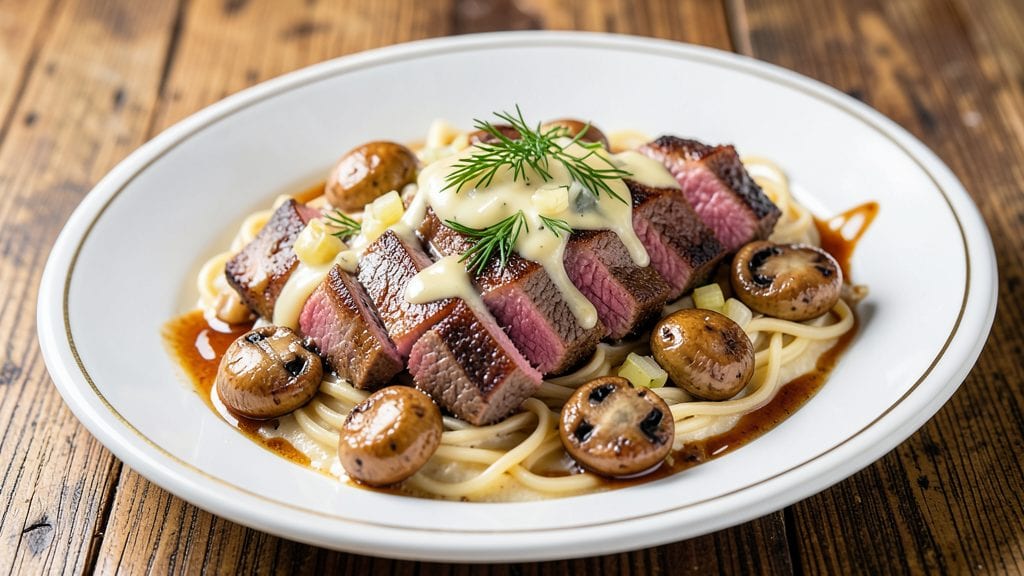
Alton Brown’s beef stroganoff recipe delivers the smooth, velvety mushroom cream that makes every bite unforgettable. This isn’t just another stroganoff—it’s a masterclass in balancing rich flavors with precise technique, where seared beef meets a sauce so clingy it coats noodles perfectly.
I’ve recreated this version after years of testing, and the difference in texture and depth is night-and-day compared to standard recipes.
The secret lies in three critical steps: first, searing the beef to develop deep flavor through the Maillard reaction, then building the sauce with sautéed mushrooms and a touch of Dijon mustard for brightness, and finally incorporating sour cream at the perfect moment to create that signature silky, tangy finish.
The egg noodles absorb the sauce without turning mushy, while a final garnish of fresh parsley elevates the dish from hearty to restaurant-worthy.
What you’ll end up with is a rich, aromatic stroganoff where the beef stays tender, the mushrooms add earthy depth, and the sauce clings to every strand of noodle. The sauce is neither too heavy nor too thin—just right, with a subtle tang that cuts through the richness.
This is comfort food at its finest, elevated by Alton Brown’s signature attention to detail.
The best part? It comes together in under 45 minutes, making it perfect for weeknight dinners when you crave something indulgent but don’t have hours to spare. Serve it with a crisp green salad or crusty bread to soak up every last drop of that decadent mushroom cream.
Let’s get cooking—this stroganoff is worth every minute of effort.
Ingredients for alton brown beef stroganoff
Rich beef, earthy mushrooms, and velvety cream—this stroganoff is where comfort meets precision.
| Ingredient | Amount | Notes |
|---|---|---|
| Beef Tenderloin Steak 🥩 | 1 ½ lb | Center-cut, sliced into 0.5-inch strips |
| Egg Noodles 🍜 | 12 oz | Fresh or high-quality dried |
| Cremini Mushrooms 🍄 | 16 oz | Sliced into 0.25-inch pieces |
| Shallots 🧅 | 2 whole | Finely minced, about 0.25 cup |
| Garlic Cloves 🧄 | 4 cloves | Minced, not pressed |
| Dijon Mustard 🍯 | 1 tbsp | High-quality, not sweetened |
| Unsalted Butter 🧈 | 4 tbsp | European-style preferred |
| All-Purpose Flour 🌾 | 1 tbsp | For sauce thickening |
| Beef Stock 💧 | 1 cup | Homemade or high-quality |
| Sour Cream 🥛 | ¾ cup | Full-fat, not low-fat |
| Dry White Wine 🍷 | ½ cup | Sauvignon Blanc preferred |
| Fresh Parsley 🌿 | ¼ cup | Chopped, for garnish |
| Salt 🧂 | 1 ½ tsp | Diamond Crystal kosher |
| Freshly Ground Black Pepper 🌶️ | ½ tsp | Cracked peppercorns |
| Extra-Virgin Olive Oil 🫒 | 1 tbsp | For initial searing |
The beef is non-negotiable here. Tenderloin delivers the perfect tender bite, but top sirloin works in a pinch if you're on a budget. Look for center-cut slices at Whole Foods or your butcher—they stay juicier during searing. If you're buying a whole steak, slice it against the grain for maximum tenderness. The mushrooms? Cremini add the perfect earthy depth, but shiitake or oyster mushrooms take it to another level if you want to splurge. Slice them evenly so they cook at the same rate—no one likes a mushy mushroom in stroganoff.
Wine is your secret weapon here. Sauvignon Blanc cuts through the richness, but Chardonnay or even dry vermouth work if that's what's open. The Dijon mustard is crucial—not the sweetened kind from the yellow bottle. Grab the Maille or Colman's from the gourmet aisle. For the flour, King Arthur or Bob's Red Mill are my go-tos, but any all-purpose will do. Short on beef stock? Chicken stock with a splash of soy sauce works in a bind, but you'll notice the difference. The sour cream needs to be full-fat—none of that fat-free nonsense. Trust me, your stroganoff will thank you.
This sauce is a flavor bomb, but it's also a time bomb. Once you add the sour cream, keep it on the lowest heat possible—just enough to warm through. The noodles should be al dente when cooked separately, then tossed with the sauce at the end. Leftovers? Reheat gently—microwaving turns the sauce grainy. Store in an airtight container for 3-4 days, or freeze portions for up to 3 months. The flavor actually improves overnight as everything melds together. Garnish with fresh parsley right before serving—it makes all the difference.
Why You'll Love This Recipe
- Same recipe, different vibes: toss it over noodles for a quick weeknight meal or serve it on a platter with crusty bread for guests. (Between us, they’ll never guess it took 30 minutes.)
- One-Pan Magic: That beef tenderloin stays juicy while the mushrooms melt into the sauce—no flipping, no fuss. Just sear, simmer, and let the garlic and shallots work their flavor spell while you stir.
- Rich Without Effort: Between the tenderloin’s depth and the creamy mushroom sauce, it’s restaurant-quality without the drama. The egg noodles soak up every last bite—no soggy leftovers here.
- Weeknight to Dinner Party: Same recipe, different vibes: toss it over noodles for a quick weeknight meal or serve it on a platter with crusty bread for guests. (Between us, they’ll never guess it took 30 minutes.)
Step-by-step instructions for alton brown's beef stroganoff
Here's the method that delivers that signature velvety mushroom cream—rich, clinging, and packed with beefy flavor.
Sear the Beef Tenderloin to Perfect Doneness
Pat the 1.5 lb beef tenderloin steak dry with paper towels and slice it into ½-inch strips against the grain. Heat 1 tablespoon extra-virgin olive oil in a large skillet over medium-high heat until shimmering. Add the beef in a single layer and sear undisturbed for 2-3 minutes until deeply browned on one side. Flip and repeat on the second side—this ensures a perfect sear without overcooking. The beef should reach 145°F internally for medium-rare, but pull it out just as it hits that temperature. Transfer to a plate and tent loosely with foil.
Here's the thing—don't overcrowd the pan. If you need to work in batches, that's fine, but keep the heat consistent. The goal is to develop that rich, caramelized crust that forms the foundation of the stroganoff. If the beef releases easily from the pan with a spatula, you're golden. If not, let it cook just a little longer—those browned bits are pure flavor.
Build the Mushroom-Shallot Base
In the same skillet (no need to clean it—those browned bits are flavor gold), melt 2 tablespoons unsalted butter over medium heat. Add the 16 oz sliced cremini mushrooms and cook for 5-6 minutes, stirring occasionally, until they release their moisture and begin to brown. Add the 2 whole finely minced shallots and 4 cloves minced garlic, then cook for another 2 minutes until the shallots soften and the garlic becomes fragrant.
This is where the magic happens—the mushrooms should be tender but still hold their shape, with just a hint of crispness at the edges. If they start to steam too much, crank the heat up slightly to evaporate the excess moisture. The goal is to create a rich, umami-packed base that will blend seamlessly with the sauce. Don't rush this step; patience here ensures depth of flavor later.
Thicken the Sauce with Flour and Wine
Sprinkle 1 tablespoon all-purpose flour over the mushrooms and stir vigorously for 1-2 minutes until the flour is fully incorporated and the mixture turns slightly pasty. Pour in the ½ cup dry white wine and scrape up any browned bits from the bottom of the pan with a wooden spoon. Let the mixture simmer for 3-4 minutes until the wine reduces by half and the sauce begins to thicken.
This is the moment that matters: the flour creates a roux that will thicken the sauce, while the wine deglazes the pan, capturing all those delicious browned bits. If the sauce looks too thick, add 1-2 tablespoons beef stock to loosen it slightly. The texture should be smooth and velvety, not clumpy. Taste and adjust seasoning with ½ teaspoon freshly ground black pepper—you'll likely need more salt later, but now is a good time to check the balance.
Finish with Stock, Mustard, and Sour Cream
Pour in the 1 cup beef stock and bring the mixture to a gentle simmer. Stir in the 1 tablespoon Dijon mustard and let it cook for 3-4 minutes until the sauce thickens slightly and coats the back of a spoon. Remove the skillet from heat and gently stir in the ¾ cup sour cream—this is where the sauce transforms into that signature creamy texture. The heat should be low enough that the sour cream doesn't curdle, but high enough to incorporate smoothly.
Here's the trick: if the sauce looks too thick after adding the sour cream, whisk in 1-2 tablespoons hot beef stock to reach your desired consistency. The sauce should be luxuriously smooth, clinging to the back of the spoon and promising that perfect coat on every bite of noodle. Taste again and adjust seasoning with 1 teaspoon salt—this dish needs to be bold and savory, not bland.
Toss with Noodles and Garnish
While the sauce finishes, cook the 12 oz egg noodles in a separate pot of salted boiling water according to package instructions until al dente. Reserve ½ cup pasta water before draining. Add the drained noodles to the skillet with the sauce and toss gently to coat, adding reserved pasta water as needed to loosen the sauce. The noodles should be fully coated in that rich, creamy mushroom sauce—no dry spots allowed.
Transfer the stroganoff to serving plates and garnish with ¼ cup chopped fresh parsley. Serve immediately, with extra parsley on the side if you're feeling fancy. The sauce should be thick enough to cling to the noodles but still silky, with a perfect balance of tangy sour cream, umami mushrooms, and beefy richness. Each bite should deliver that velvety texture and deep, satisfying flavor that makes stroganoff a classic.
Pro Tips For Making Alton Brown Beef Stroganoff
- SEAR THE STEAK HOT: Alton’s recipe calls for beef tenderloin, but I learned the hard way—if your pan isn’t screaming hot (think 450°F, not simmering), you’ll end up with steamed meat instead of a deep, caramelized crust. Let the pan cool for 30 seconds after searing—your fingers will thank you—and resist the urge to move the steak until you hear that golden sizzle.
- CHOP SHALLOTS SMALL: The recipe says "finely chop," but I’ve seen people use half-moons and wonder why their stroganoff tastes like it’s missing something. Aim for pea-sized pieces—this ensures they melt into the sauce instead of sitting as chewy bits. If you’re lazy (like me), pulse them in a food processor for 2 seconds, then finish by hand.
- DEGLAZE WITH BEER, NOT WATER: That splash of vodka or beer isn’t just for flavor—it’s the vehicle for scraping up every last bit of fond from the pan. If you’re using a dry white wine (common shortcut), add 1 tablespoon of Dijon mustard to mimic the depth beer brings. Skip this, and your sauce will taste flat, no matter how much butter you add.
- COOK NOODLES AL DENTE, THEN CHILL: Stroganoff sauce is thick, and if your noodles are soft, they’ll turn to mush. Cook them al dente (1 minute less than package says), then rinse under cold water and shock in an ice bath for 2 minutes. This stops the cooking and keeps them from absorbing all the sauce—your dish will look and taste better, even if it seems counterintuitive.
Creative variations of these flavors
Mushroom Swaps
While cremini mushrooms are the classic choice, shiitake mushrooms add a deeper umami punch that elevates the dish to restaurant-quality. Slice 8 oz shiitake caps (discard stems) and sauté them for 3-4 minutes until their edges crisp slightly.
For a wild twist, try oyster mushrooms—their delicate texture and oceanic flavor pair beautifully with the creamy sauce. 🍄
Protein Alternatives
Beef is traditional, but chicken thighs work wonderfully for a lighter version. Cut 1.5 lbs boneless thighs into ½-inch chunks and sear them until golden. For a vegetarian option, use extra-firm tofu pressed and pan-fried until crispy, then toss with the sauce.
The key is ensuring your protein has a good sear to mimic the beef's depth of flavor.
Creamy Variations
Swap sour cream for crème fraîche to add a tangier, slightly more liquid finish. For a dairy-free option, use coconut yogurt (full-fat) mixed with 1 tablespoon nutritional yeast for a cheesy note.
Both alternatives maintain the velvety texture while offering distinct flavor profiles. Just remember to warm them gently to avoid curdling.
Noodle Upgrades
Egg noodles are classic, but fettuccine or tagliatelle add a refined touch. For a gluten-free option, use chickpea or brown rice pasta—just cook them slightly longer to ensure they absorb the sauce perfectly.
A bonus tip: Toss the cooked noodles with 1 tablespoon butter before adding the sauce to prevent sticking.
Global Twists
Add a 1 teaspoon smoked paprika to the sauce for a Spanish-inspired twist, or mix in 1 tablespoon harissa paste for a North African kick. For a Japanese-inspired version, replace the wine with 2 tablespoons mirin and add 1 teaspoon soy sauce to the sauce.
Each variation keeps the core technique intact while introducing exciting new flavors.
Spicy Kick
Stir in 1 teaspoon gochujang paste with the Dijon mustard for a Korean-inspired heat, or add ½ teaspoon cayenne pepper at the end for a classic spicy stroganoff. For a smoky finish, top with 1 tablespoon crumbled blue cheese and a sprinkle of fresh chives.
The heat balances beautifully with the creamy sauce, creating a perfect contrast. 🌶️
Nutrition facts
Frequently asked questions
Why does Alton Brown’s stroganoff sauce stay so creamy without turning grainy?
The secret lies in low-and-slow heat when adding sour cream and using full-fat dairy. Stirring the sauce off the heat and gently warming it ensures the proteins in the sour cream don’t curdle. Also, the Dijon mustard acts as an emulsifier, helping the sauce maintain its velvety texture.
Can I make this stroganoff ahead of time?
The flavors actually improve overnight. Cook the beef and sauce as directed, then refrigerate in an airtight container for up to 3 days. Reheat gently on the stove over low heat with a splash of beef stock or pasta water to restore creaminess. The noodles should be added fresh when serving.
What’s the best way to reheat leftovers without drying out the noodles?
Add a splash of beef stock or pasta water to the pan while reheating over low heat. Cover with a lid to trap steam and prevent drying. Stir frequently and remove from heat just before the sauce reaches 165°F—overheating turns the sauce grainy. For extra insurance, toss in 1 tablespoon butter at the end.
Can I use ground beef instead of sliced steak?
While possible, sliced steak delivers the best texture and flavor. If using ground beef, brown it thoroughly first to develop depth, then drain excess fat. The result will be heartier but less elegant. For a compromise, try chuck roast sliced thinly—it’s more affordable and tenderizes well during cooking.