Side Dishes
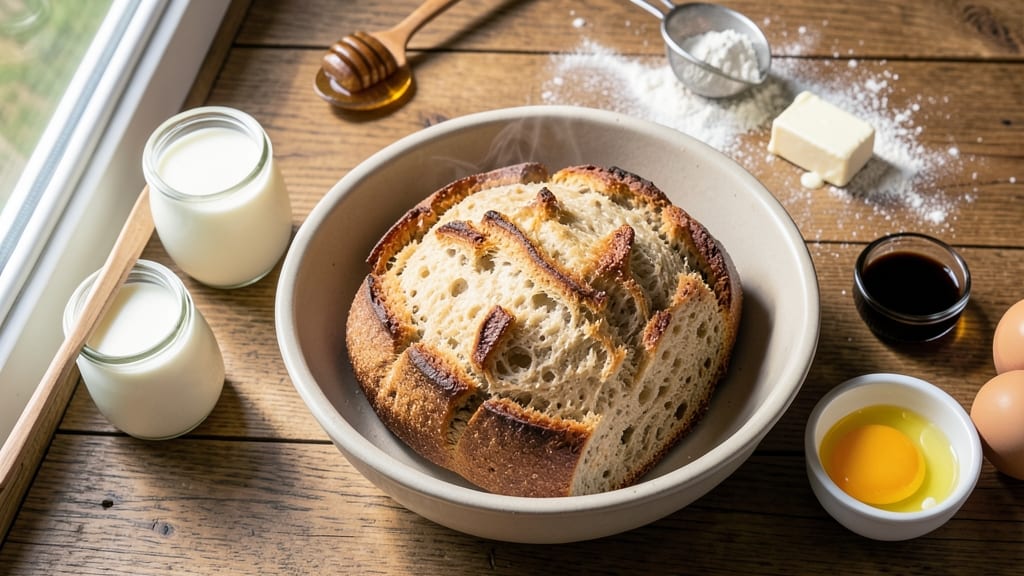
This Alabama white bread recipe delivers the signature buttery, pull-apart softness that makes it a Southern staple—tangy, sweet, and impossibly tender. The secret lies in self-rising flour and buttermilk, creating that signature crumb that falls apart with every bite.
I first tried this recipe during a family gathering when the homemade version completely outshined store-bought options.
What sets this bread apart is its no-knead simplicity and foolproof method for achieving that signature texture. The dough comes together in minutes, then bakes to golden perfection with a crisp crust and tender interior.
Traditional recipes often include a touch of honey or molasses, adding just enough sweetness to balance the tangy buttermilk flavor.
By the time it emerges from the oven, you'll have a loaf that's soft enough to pull apart with your hands yet holds together beautifully when sliced. The aroma alone will transport you to a Southern kitchen, where this bread is served warm with butter or honey.
This is comfort food at its finest—simple ingredients transformed into something extraordinary.
The best part? This recipe scales perfectly for gatherings or meal prep. Once you master the technique, you'll understand why Alabama white bread has been a beloved tradition for generations. Let's get started on creating this classic Southern treasure.
Ingredients for alabama bread
Self-rising flour and buttermilk create the signature pull-apart crumb in this Southern classic.
| Ingredient | Amount | Notes |
|---|---|---|
| Self-Rising Flour 🌾 | 4 cups | White flour for authentic crumb |
| Buttermilk 🥛 | 1 ½ cups | Full-fat for optimal tang |
| Unsalted Butter 🧈 | ½ cup | Cold, cubed for texture |
| Granulated Sugar 🍚 | ¼ cup | Light brown preferred |
| Honey 🍯 | ¼ cup | Wildflower or clover |
| Large Eggs 🥚 | 1 whole | Room temperature preferred |
| Molasses 🍯 | 1 tbsp | Unsulphured for depth |
| Vanilla Extract 🍶 | 1 tsp | Pure, high-quality |
| Diamond Crystal Kosher Salt 🧂 | 1 tsp | Adjusts to self-rising flour |
| Baking Powder 🍞 | 1 tsp | Double-acting preferred |
| Cornmeal 🌽 | ¼ cup | Fine, for dusting |
The self-rising flour is non-negotiable here—it contains the precise leavening and salt balance needed for that signature tender crumb. Bob's Red Mill or Gold Medal are reliable brands, but check the label to ensure it's 100% self-rising (some blends contain salt separately). For buttermilk, full-fat is essential—the fat content contributes to that rich, tangy flavor. If you're using powdered buttermilk, add 1 tablespoon lemon juice per cup of milk to activate. The honey should be raw and unfiltered for optimal flavor infusion, though regular grocery store honey works in a pinch. For the butter, Land O'Lakes or Plugrá brands provide consistent quality, and always keep it cold when cutting into cubes to prevent premature melting during mixing.
No buttermilk? Substitute with 1.5 tablespoons lemon juice or vinegar per cup of milk, but let it sit for 5 minutes to curdle properly. Short on honey? Light corn syrup at equal volume maintains sweetness without altering the bread's texture. The molasses is optional but adds that classic Southern depth—Grandma's brand is widely available and reliable. For vanilla, pure extract (not imitation) makes all the difference. If you're using a different brand of self-rising flour, you may need to adjust the baking powder—test a small batch first. The cornmeal isn't just for dusting; it adds a subtle crunch to the crust that's characteristic of traditional Alabama white bread.
This dough keeps best at room temperature for up to 24 hours before baking, allowing flavors to develop fully. For longer storage, wrap tightly in plastic and refrigerate for up to 3 days. The baked loaf maintains freshness for 3-4 days at room temperature, but to extend shelf life, wrap in foil and store at room temperature. For freezing, slice the bread and wrap individual slices in plastic—up to 3 months in an airtight container. Reheat slices in a toaster or oven for that freshly baked texture. The bread is best served warm, so plan ahead if you're making it for a gathering.
Why You'll Love This Recipe
- No-Fuss Mix-In: The self-rising flour and buttermilk handle all the heavy lifting—no measuring yeast or worrying about rising times. Just stir, pour, and pop it in the oven while you finish folding laundry (yes, really).
- Sweet & Tangy Magic: That honey-butter swirl cuts through the richness of the buttermilk, giving you a bread with just enough caramel depth to make it irresistible. Honestly, the first slice out of the pan might disappear before you even think about saving it.
- Breakfast-to-Dessert Hero: Serve it warm with scrambled eggs for breakfast or drizzle it with more honey for an after-dinner treat. My kids beg for it both mornings and when we’re watching movies—no judgment here.
- Budget-Friendly Staple: A single batch costs less than takeout and stretches for days—freeze slices for quick toast or sandwiches later. Between us, this is the bread that actually makes grocery day feel like a win.
Step-by-step instructions for Alabama white bread
Mastering this recipe delivers a tender, buttery loaf with a signature tangy sweetness—every slice pulls apart perfectly.
Combine Wet Ingredients for Maximum Flavor
In a large mixing bowl, whisk together the 1.5 cups buttermilk, 0.25 cup honey, 1 tbsp molasses, and 1 tsp vanilla extract until fully combined. The buttermilk should be at room temperature to ensure proper activation of the baking powder in the self-rising flour. Let this mixture sit for 5 minutes while you prepare the remaining ingredients—this resting time allows the flavors to meld and the buttermilk to slightly thicken.
Next, add the 1 whole large egg to the buttermilk mixture and whisk vigorously for 30 seconds until no streaks remain. The egg provides structure and richness, while the molasses and honey contribute that signature Alabama sweetness. I like to use a wire whisk for this step—it incorporates air more effectively than a spoon, which helps create a lighter crumb.
Cut in Cold Butter for Perfect Texture
Cut the 0.5 cup unsalted butter into ¼-inch cubes and chill in the freezer for 10 minutes to ensure it remains cold. Using a pastry cutter or two forks, cut the chilled butter into the wet ingredients until the mixture resembles coarse crumbs with pea-sized butter pieces. This technique creates pockets of butter that melt during baking, producing the signature tender crumb and flaky layers.
Add the 0.25 cup granulated sugar and mix briefly to distribute evenly. The sugar will dissolve slightly in the buttermilk mixture, enhancing the bread's subtle sweetness. Avoid overmixing at this stage—just until the sugar disappears. The self-rising flour already contains baking powder and salt, so we don't need to add any additional leavening agents or salt.
Fold in Dry Ingredients Gently
In a separate bowl, stir together the 4 cups self-rising flour and 1 tsp baking powder. The self-rising flour contains baking powder and salt, so we're simply ensuring even distribution. Gradually add the dry ingredients to the wet mixture, folding gently with a rubber spatula until just combined. You'll notice the dough will be thick and sticky—this is normal and essential for the bread's moist texture.
Transfer the dough to a lightly greased 9x5-inch loaf pan and smooth the top with a wet spatula. The dough should fill the pan to about ¾ full, leaving room for expansion. Dust the top lightly with 0.25 cup cornmeal to prevent sticking and create a subtle textural contrast. This step is crucial—cornmeal adds a delicate crunch that complements the soft interior.
Bake Until Golden and Springy
Preheat your oven to 350°F and place a baking sheet on the lower rack to catch any potential drips. Bake the loaf for 50-55 minutes until the top is deep golden brown and a toothpick inserted in the center comes out clean. The bread should also spring back slightly when pressed gently in the center—this indicates proper doneness.
I recommend checking the bread at the 45-minute mark—ovens vary in temperature calibration. If the top browns too quickly, tent the loaf with aluminum foil to prevent over-browning while allowing the interior to finish cooking. The internal temperature should reach 190-195°F for perfect texture. Remove from the oven and let the bread cool in the pan for 10 minutes before transferring to a wire rack.
Rest and Slice for Optimal Freshness
Allow the bread to cool completely in the pan for 10 minutes, then transfer to a wire rack to cool for an additional 20-30 minutes. This resting period is essential—it allows the internal structure to set properly, preventing a gummy texture. The bread will be tender and moist, with a slightly crisp crust that gives way to the soft interior.
Slice the bread into ½-inch thick portions using a serrated knife for clean cuts. For best results, serve within 2-3 days or wrap tightly in plastic wrap to maintain freshness. The combination of honey, molasses, and buttermilk creates a subtle tang that pairs beautifully with butter or jam. This bread is perfect for breakfast, sandwiches, or simply enjoyed on its own with a cup of coffee.
Pro Tips For Making Alabama Bread
- Preheat Like a Pro: Crank your oven to 375°F and let it scream hot for at least 15 minutes before baking—this recipe demands a hot start. I learned this after my first batch came out dense and underdone; the butter needs that initial shock to melt fast and create those signature air pockets.
- Whisk the Buttermilk: Give that buttermilk a quick whisk before mixing—it’s thicker than you think, and lumps hide in plain sight. My grandmother swore by this, and she was right: smooth batter = even rise, no matter how impatient you are (yes, even if you’re impatient like me).
- Skip the Overmixing: Stir the batter just until the flour disappears—about 10 seconds. Overmixing wakes the gluten, and Alabama bread should stay tender, not chewy. I used to beat it like I was angry at the bowl, and the texture suffered every time.
- Honey First, Then Sugar: Swirl the honey into the wet ingredients before adding sugar—it dissolves faster and blends smoother. Sounds weird, but it works: no grainy pockets in your bread, and the sweetness spreads evenly. (Your future self will thank you.)
Common mistakes when making great alabama bread
Overmixing the Dough
This is the #1 mistake I see with Alabama white bread—the dough is overmixed until it becomes smooth and elastic. The self-rising flour contains baking powder that activates when mixed with liquid, and overworking it develops gluten too much.
Stop mixing as soon as the dry ingredients disappear—your dough should look shaggy and thick, not silky. I recommend using a rubber spatula to gently fold the flour into the wet ingredients rather than whisking vigorously. 💡
Skipping the Resting Time
Rushing the dough into the oven without letting it rest for at least 10 minutes after mixing leads to dense, gummy bread. The resting period allows the flour to hydrate properly and the baking powder to fully activate.
I usually let the dough sit while I preheat the oven—this small pause makes all the difference in achieving that signature tender crumb. Never skip this step, even if you're eager to bake!
Incorrect Pan Size
Using the wrong pan size throws off the bread's texture and rise. This recipe specifically calls for a 9x5-inch loaf pan—any smaller, and the bread will bake too quickly with a dense center; any larger, and it won't rise properly.
If you don't have this size, a 9x4-inch pan will work in a pinch, but expect slightly different results. Always grease your pan thoroughly with butter or cooking spray to prevent sticking, especially since this dough is so moist.
Butter Temperature Issues
Using butter that's too soft (or worse, melted) creates a dense loaf instead of the tender, pull-apart texture we want. Always chill your butter cubes in the freezer for 10 minutes before cutting them into the dough.
The cold butter creates steam during baking, which helps develop those signature air pockets. If your butter starts to melt during mixing, pop the bowl in the fridge for 5 minutes to firm it up again.
Overbaking or Underbaking
Baking this bread to perfection requires careful attention to time and temperature. The loaf is done when it reaches 190-195°F internally and springs back when pressed gently—this usually takes 50-55 minutes at 350°F. Overbaking dries out the bread, while underbaking leaves it gummy.
I recommend checking with a toothpick at 45 minutes—if it comes out clean, your bread is ready. If not, bake for another 5-10 minutes, checking frequently.
Ignoring the Cornmeal Topping
Many home bakers skip the cornmeal topping, but this simple step adds crucial texture and prevents sticking. The cornmeal creates a delicate crunch on the crust while absorbing excess moisture from the dough.
Lightly dust the top of your loaf with ¼ cup cornmeal right before baking—it's worth the extra minute of effort for that authentic Alabama texture. 🌽
Nutrition facts
Frequently asked questions
Why does Alabama white bread have that signature pull-apart texture?
The secret lies in the combination of self-rising flour and cold butter cut into the dough. The self-rising flour contains baking powder that creates air pockets, while the cold butter melts during baking to form steam—this creates the signature tender, pull-apart crumb. The buttermilk also contributes to that moist, slightly tangy flavor.
Can I make this bread without buttermilk?
Yes! Use 1.5 tablespoons lemon juice or vinegar per cup of milk to replace the buttermilk. Let the mixture sit for 5 minutes to curdle before using. The acidity activates the baking powder just like buttermilk would, though the flavor will be slightly less rich.
How do I know when the bread is fully baked?
The bread is done when it reaches 190-195°F internally and springs back slightly when pressed gently. A toothpick inserted in the center should come out clean. Check at 45 minutes—if the top browns too quickly, tent with foil to prevent over-browning while the center finishes cooking.
What's the best way to store leftover Alabama white bread?
Wrap the loaf tightly in plastic wrap and store at room temperature for 3-4 days. For longer storage, slice the bread and freeze individual portions in airtight containers for up to 3 months. Reheat slices in a toaster or oven for that freshly baked texture.
Can I add nuts or raisins to this recipe?
Fold in ½ cup chopped pecans or walnuts or ½ cup raisins with the dry ingredients for added texture and sweetness. For best results, soak raisins in warm water for 10 minutes first to plump them up. This variation works especially well for holiday gatherings.