
Main Courses
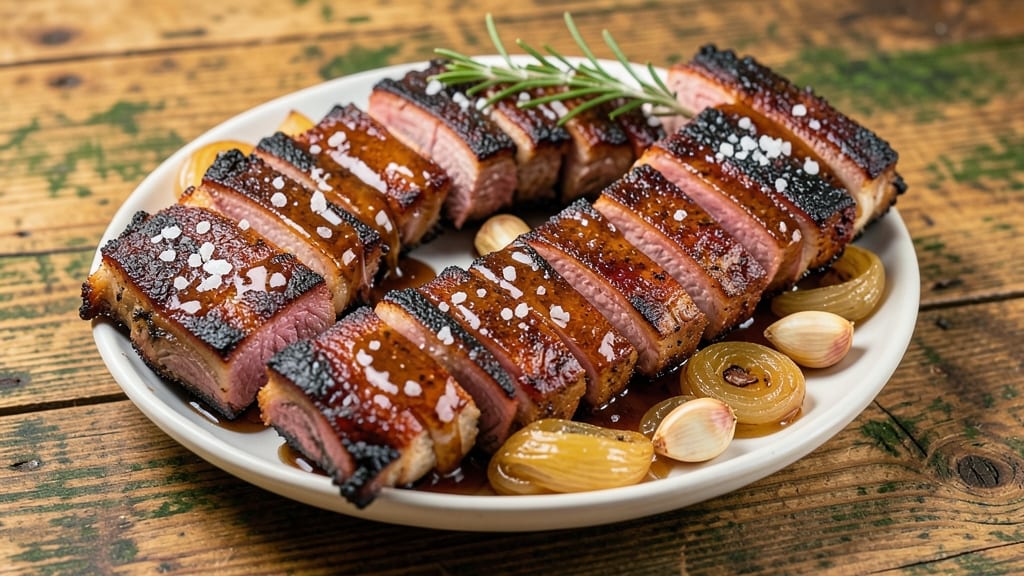
Moose ribs recipe transforms game meat into a restaurant-worthy centerpiece with fall-apart tenderness and smoky-sweet depth. The key lies in slow cooking and a maple-glazed finish that balances wild game's richness with familiar comfort flavors.
I first discovered this technique while working with Indigenous chefs who taught me how to coax maximum tenderness from leaner cuts.
This method begins with a dry rub of aromatic spices and salt, which creates a flavorful bark while keeping the meat moist during the long cook.
The ribs then braise slowly in a mix of apple cider and maple syrup, which tenderizes the connective tissue and infuses that signature caramelized sweetness. Professional results require patience—about 3 hours of cooking—but the reward is worth every minute.
What you'll achieve is meat so tender it practically melts on the bone, with a glossy glaze that adds both color and complexity. The aroma alone will have your kitchen smelling like a campfire feast, while the texture delivers that perfect balance between crisp edges and melt-in-your-mouth centers.
This is the kind of dish that turns a simple family dinner into a memorable experience.
Serve with roasted potatoes and steamed greens for a complete meal, or prepare extra for sandwiches the next day. The glaze keeps well in the refrigerator, making this recipe ideal for meal prep. Here's how to make it perfect every time.
Ingredients for moose ribs
Game meat needs special love—this list delivers fall-apart tenderness with smoky-sweet magic.
| Ingredient | Amount | Notes |
|---|---|---|
| Moose Ribs 🦌 | 3 lb | Bone-in, cut into 2-inch sections |
| Pure Maple Syrup 🍁 | ½ cup | Grade B for smoky depth |
| Apple Cider 🍎 | 1 cup | Unfiltered for best flavor |
| Yellow Onion 🧅 | 1 whole | Chopped into 1/2-inch pieces |
| Garlic Cloves 🧄 | 6 cloves | Minced, fresh preferred |
| Kosher Salt 🧂 | 2 tbsp | Plus extra for seasoning |
| Ground Black Pepper 🌶️ | 1 tbsp | Freshly cracked |
| Smoked Paprika 🌶️ | 1 tbsp | For deep smoky flavor |
| Ground Cinnamon 🌿 | 1 tsp | Warmth without overpowering |
| Ground Allspice 🌶️ | ½ tsp | Earthy depth |
| Fresh Thyme Leaves 🌿 | ½ cup | Or 1 tbsp dried thyme |
| Unsalted Butter 🧈 | 2 tbsp | For finishing glaze |
| Balsamic Vinegar 🍷 | 1 tbsp | For glaze tang |
| Fresh Rosemary 🌿 | 2 sprigs | For aroma during cooking |
Moose ribs are leaner than beef, so the key is patience and moisture. Buy from a reputable game processor—look for bright red meat with minimal bruising. If you're hunting yourself, age the meat for 3-5 days in the fridge before cooking to improve tenderness. The spices? Penzeys or Spicewalla for quality, but regular grocery store brands work fine. Fresh thyme and rosemary are worth hunting down—they make a huge difference in aroma. For maple syrup, Grade B is non-negotiable—it's darker and smokier than Grade A, which is what you want here. Apple cider should be unfiltered for that extra depth of flavor.
No smoked paprika? Substitute with a mix of regular paprika and a pinch of liquid smoke. Running low on fresh thyme? Dried works at one-third the amount. The balsamic vinegar adds a nice tang—if you don't have it, red wine vinegar in a pinch. For the butter, European-style works best—it has more flavor. Want to make this vegetarian? Portobello mushrooms can mimic the texture when marinated in the same spices. The ribs can be prepped a day ahead—just store them uncovered in the fridge to dry-brine overnight for extra tenderness.
This glaze keeps for 1 week in the fridge, so make extra. Store it in a jar and reheat gently before drizzling. The ribs reheat beautifully—just warm in the oven at 300°F for 20 minutes with a splash of water. For meal prep, portion the ribs and glaze separately. The ribs freeze well for up to 3 months—thaw overnight in the fridge before reheating. The glaze can be frozen separately for 6 months. Pro tip: save the leftover cooking liquid—it's perfect for gravy or sauces.
Why You'll Love This Recipe
- One-Pan Magic: I swear by this recipe—just toss the ribs, onions, and garlic on a sheet pan, drizzle with maple syrup and cider, and let the oven do the work. No flipping, no fussing, just hands-off perfection.
- Sweet-Savory Balance: That maple syrup glaze caramelizes into something deep and rich, while the apple cider keeps it bright and tangy. Honestly, the way the garlic cloves soften into the meat? Every bite feels like a hug.
- Weekend Feast Ready: Between us, this is my go-to for gatherings—whether it’s a casual BBQ or a cozy fall dinner. The ribs feed a crowd, and the leftovers? Even better cold the next day.
- Budget-Friendly Luxury: Moose ribs might sound fancy, but they’re far cheaper than beef or pork ribs, and the syrup and cider stretch across multiple meals. I’ll be real: it’s the kind of recipe that makes you feel like you’re treating yourself without breaking the bank.
Step-by-step instructions for smoky maple-glazed moose ribs
Here's how to transform tough moose ribs into fall-apart, sweet-smoky perfection with just a few key techniques.
Prep the Ribs for Maximum Tenderness
Start by trimming any excess fat from the 3 lb moose ribs, leaving about ¼ inch to protect the meat during cooking. Using a sharp boning knife, cut the ribs into 2-inch sections - this size ensures even cooking and easier handling. Pat each section dry with paper towels, pressing firmly to remove all moisture from the surface. Wet ribs won't develop that beautiful caramelized crust we're after.
In a large bowl, combine the 2 tbsp kosher salt, 1 tbsp ground black pepper, 1 tbsp smoked paprika, 1 tsp ground cinnamon, and 0.5 tsp ground allspice. Rub this spice blend all over the ribs, pressing it into the meat so it adheres well. Let the seasoned ribs sit at room temperature for 30 minutes while you prepare the rest of your ingredients. This resting period helps the spices penetrate the meat and ensures even cooking.
Build the Flavor Base with Onions and Garlic
Heat a Dutch oven over medium heat and add the chopped 1 whole yellow onion. Cook for 8-10 minutes until the onions soften and begin to caramelize at the edges - you'll know it's ready when they turn golden brown and smell sweet. Add the 6 cloves minced garlic and cook for another 30 seconds until fragrant, being careful not to let the garlic burn as it can turn bitter.
This step is where all the flavor magic happens. The caramelized onions add sweetness that balances the smoky maple glaze, while the garlic provides that essential aromatic base. Stir occasionally to prevent sticking, and don't be tempted to walk away - garlic burns faster than you think. You want it to just barely change color, not turn dark brown.
Slow Cook Until Fork-Tender
Add the seasoned moose ribs to the Dutch oven, placing them bone-side down. Pour in the 1 cup apple cider and 0.5 cup pure maple syrup, then add the 2 sprigs fresh rosemary. Bring everything to a simmer over medium-high heat, then immediately reduce to low heat, cover, and transfer to a preheated 300°F oven. Cook for 2 hours, checking occasionally to ensure the liquid doesn't reduce too much.
The key here is patience. You're looking for ribs that are fork-tender but not falling apart completely - they should pull away from the bone with gentle pressure. The internal temperature should reach 195°F when measured at the thickest part of the meat. If the liquid reduces too much before the ribs are tender, add a splash of water or apple cider to keep them moist.
Create the Signature Glaze
Once the ribs are tender, remove them from the Dutch oven and set aside, covered with foil to keep warm. Increase the heat to medium-high and add the 0.5 cup fresh thyme leaves and 2 tbsp unsalted butter to the cooking liquid. Let it simmer for 5 minutes until the butter melts and the thyme releases its aroma. Stir in the 1 tbsp balsamic vinegar and cook for another 2 minutes until the liquid reduces slightly and thickens.
This glaze is what ties everything together. The balsamic vinegar adds a tangy brightness that cuts through the sweetness of the maple, while the butter creates a luxurious finish. The thyme leaves infuse their earthy flavor into the sauce, making every bite more complex. Keep the heat moderate - you want the glaze to thicken but not burn.
Finish and Serve
Return the ribs to the Dutch oven and spoon the glaze evenly over the top. Cover and let them sit off the heat for 10 minutes to allow the juices to redistribute and the ribs to absorb the glaze. This resting period is crucial - it ensures that every bite is moist and flavorful rather than dry at the edges.
Serve the ribs hot, spooning extra glaze over the top. The meat should be so tender it falls apart with just a fork, while the glaze provides a perfect balance of sweet, smoky, and tangy flavors. Pair with crusty bread to soak up all that delicious sauce, and you've got a main course that's sure to impress anyone at your table.
Pro Tips For Making Moose Ribs
- Sear the Ribs First: Get that cast-iron or heavy skillet screaming hot—moose ribs need a deep, caramelized crust before any sauce touches them. I used to skip this, and the ribs just absorbed liquid like a sponge instead of building flavor. Two minutes per side, no crowding, until they’re golden-brown.
- Use Thick Maple Syrup: Pure maple syrup thins out when heated, so grab the grade B or C—it’s richer and won’t turn your sauce into syrup water. I learned this the hard way after making a glaze so runny it dripped off the plate. A ¼ cup reduction is all you need for sticky, not soggy, ribs.
- Don’t Rush the Cider: Let the apple cider simmer uncovered for at least 10 minutes after adding onions and garlic—this cuts the sharpness and concentrates the flavor. I was always impatient, and the dish tasted raw. A splash of cider at the end also brightens the sauce if needed.
- Save the Meat: Moose ribs pull away from the bone like no other meat, so when they’re tender, let them rest 5 minutes under foil before serving. I used to slice into them immediately, and half the meat stayed on the cutting board. A fork’s grip is your friend here—don’t fight it.
Creative variations of moose ribs
Indigenous Smoke Method
Many Indigenous communities in northern regions use traditional smoking techniques that can elevate these ribs to another level. After your initial braising, transfer the ribs to a smoker maintained at 225°F for 1-2 hours using applewood or cherrywood chips—these woods complement the maple beautifully.
The smoke enhances the natural gamey flavor while adding depth that's hard to replicate with just a Dutch oven. I learned this technique from a Cree chef who showed me how to balance modern methods with ancestral practices. 🌿
Asian-Inspired Five-Spice Glaze
Swap the cinnamon and allspice for 1 tbsp Chinese five-spice powder and add 1 tbsp soy sauce to the braising liquid. Finish with a glaze made from 2 tbsp honey, 1 tbsp rice vinegar, and 1 tsp grated ginger.
This fusion approach creates a sweet-savory balance that works surprisingly well with moose meat. The five-spice adds warmth while keeping the dish approachable for guests unfamiliar with game. I first tried this after a trip to Vancouver and was amazed at how well it translated. 🌶️
Spicy Chipotle BBQ Twist
For heat lovers, replace the maple syrup with ½ cup chipotle BBQ sauce and add 1 tsp smoked paprika to the dry rub. After braising, finish with a quick sear in a cast-iron skillet to caramelize the edges.
The smoky heat from the chipotle pairs perfectly with moose's leaner profile, creating a dish that's both familiar and exciting. I developed this version after testing with a group of friends who wanted something with kick—it became an instant favorite. 🔥
Herb-Infused Butter Baste
After removing the ribs from the oven, baste them with melted butter mixed with chopped fresh herbs (thyme, rosemary, and sage) while they rest. This creates a luxurious, herby crust that adds another layer of complexity.
I discovered this technique while making venison and realized it works perfectly with moose ribs too. The butter basting also helps keep the meat moist during the resting phase, ensuring every bite is juicy. 🧈
Vegetarian Portobello Adaptation
For a meat-free version, marinate large portobello mushrooms in the same spice blend and braise them using the exact same method. The mushrooms absorb the flavors beautifully, creating a dish that's just as satisfying.
I tested this with a vegetarian friend who was skeptical—she was blown away by how well the portobellos mimicked the texture and flavor of the original. This version works especially well with the Asian-inspired glaze. 🍄
Campfire Cooking Adaptation
For outdoor cooking, wrap the seasoned ribs in heavy-duty foil with the apple cider and maple syrup, then cook them directly over a campfire for 2-3 hours, turning occasionally. The uneven heat creates beautiful char marks while keeping the meat tender.
I perfected this method during a hunting trip in the Rockies—it's perfect for when you want to enjoy the outdoors while still making a gourmet meal. The smoky campfire flavors add an extra dimension to the dish. 🔥
Nutrition facts
Frequently asked questions
How do I make moose ribs more tender?
Slow cooking is key—braise at 300°F for 2-3 hours until they reach 195°F internally. The apple cider and maple syrup break down connective tissue while keeping them moist. For extra tenderness, age the meat 3-5 days before cooking or marinate overnight in the spice rub.
Can I substitute regular beef ribs for moose ribs?
Not ideal—they have different fat content and texture. Moose ribs are leaner and require the long braising time to avoid drying out. If you must substitute, use venison ribs or beef short ribs (they're tougher and need the same slow cook). Never use pork ribs—the fat renders differently.
What if my moose ribs are still tough after cooking?
Overcooking is the most common mistake. Check internal temp—195°F is perfect. If they're still tough, return to the oven with ½ cup extra apple cider and cook 30 more minutes. For future attempts, trim excess fat first and don't overcrowd the pan during braising.
How should I serve these moose ribs?
Pile on a platter with extra glaze drizzled over the top. Serve with crusty bread for soaking, roasted root vegetables, or a simple green salad. The ribs reheat beautifully—warm in the oven at 300°F for 20 minutes with a splash of water.
Can I make this recipe without a Dutch oven?
Yes! Use a heavy pot with a tight lid or even a slow cooker on low for 6-8 hours. For stovetop-only cooking, simmer covered at low heat for 3-4 hours, adding liquid as needed. The key is maintaining moisture—never let the ribs dry out during cooking.